Morocco Beauty Spots
Tour Privado em Marrocos · Adventure

Dark Sky & Deep Time

Marrakech → Oukaïmeden → Erg Chebbi • 6 Days

Adventure6 dias
De$1490por pessoa
4.9Planeje esta viagem

Resposta em 24hSem depósito4×4 privado durante toda a viagem

A 6-day astrotourism tour from Marrakech pairing the Oukaïmeden Observatory in the High Atlas (2,750 m, home to the TRAPPIST-North telescope) with the Bortle Class 1 desert skies of Erg Chebbi, where the Milky Way casts shadows and M33 is visible to the naked eye. Astronomer-guided desert nights with a telescope, a month-by-month galactic-core calendar, and a dark-sky ethics that explains why the dark matters. Small groups, timed to the new moon.

Dark Sky & Deep Time

Dark Sky & Deep Time is a 6-day tour for two kinds of traveller who turn out to want the same trip: the one who wants to feel small under the oldest light in the universe, and the one who wants to know exactly which galaxy they're looking at. It pairs the two best dark-sky assets in Morocco — the Oukaïmeden Observatory high in the Atlas and the Bortle Class 1 desert at Erg Chebbi — and times every departure to the new moon, when the sky is at its darkest.

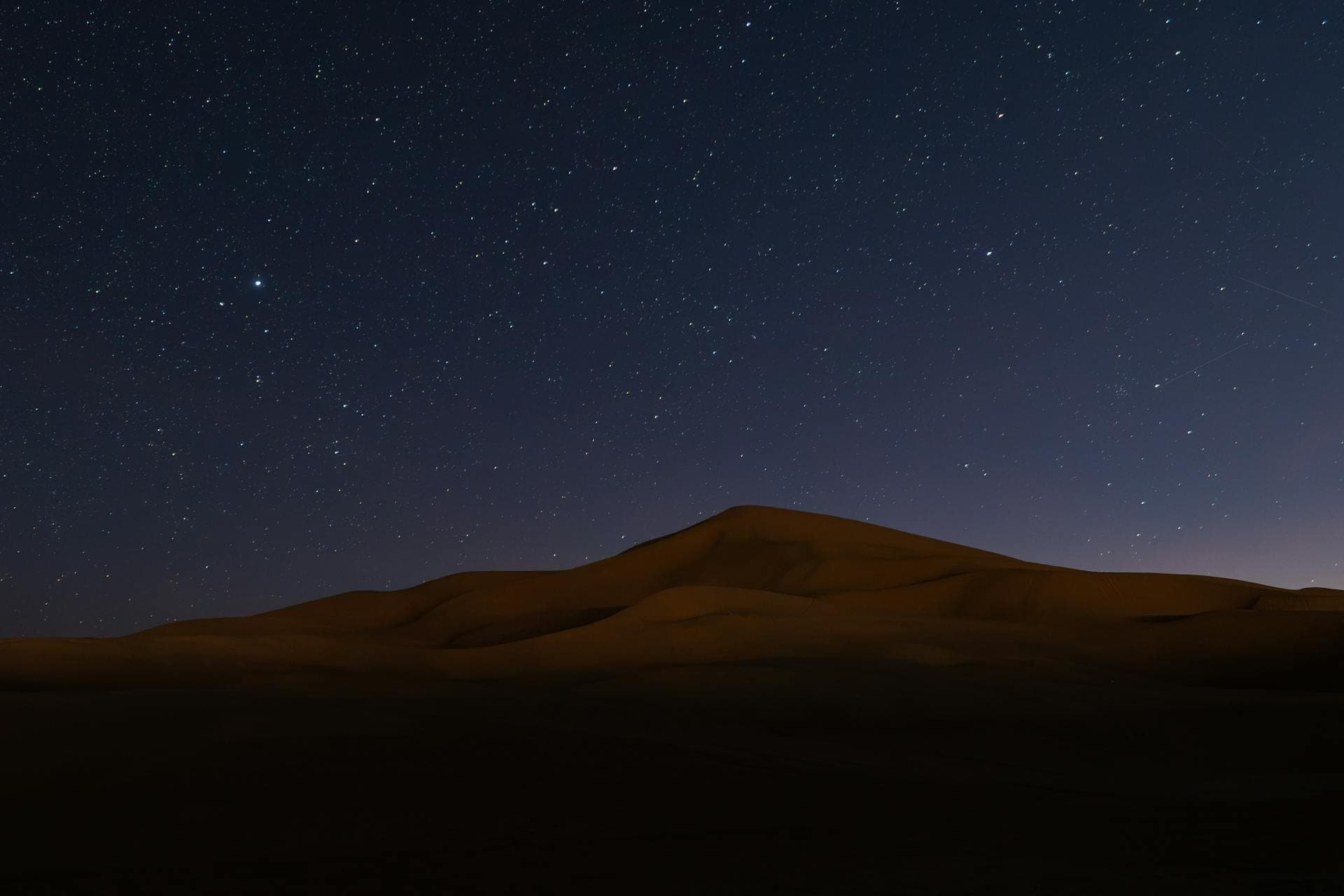
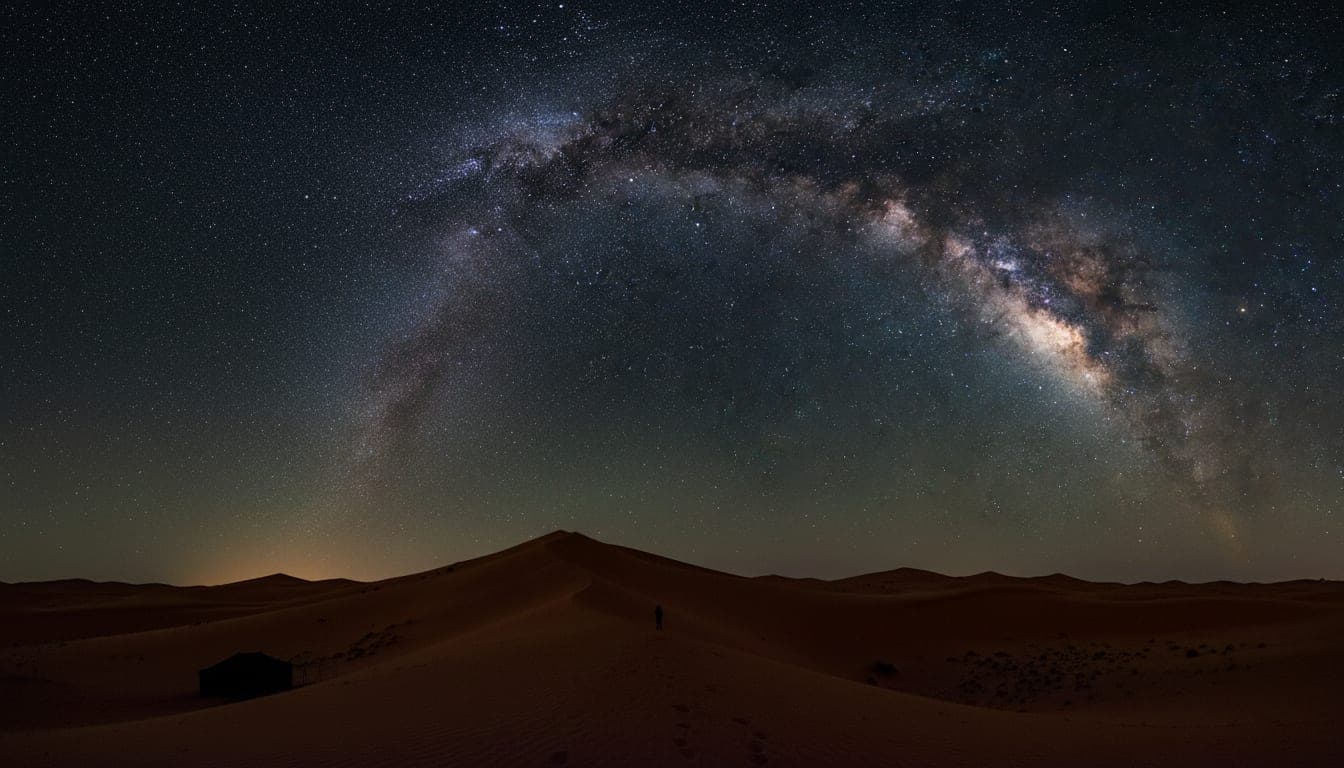
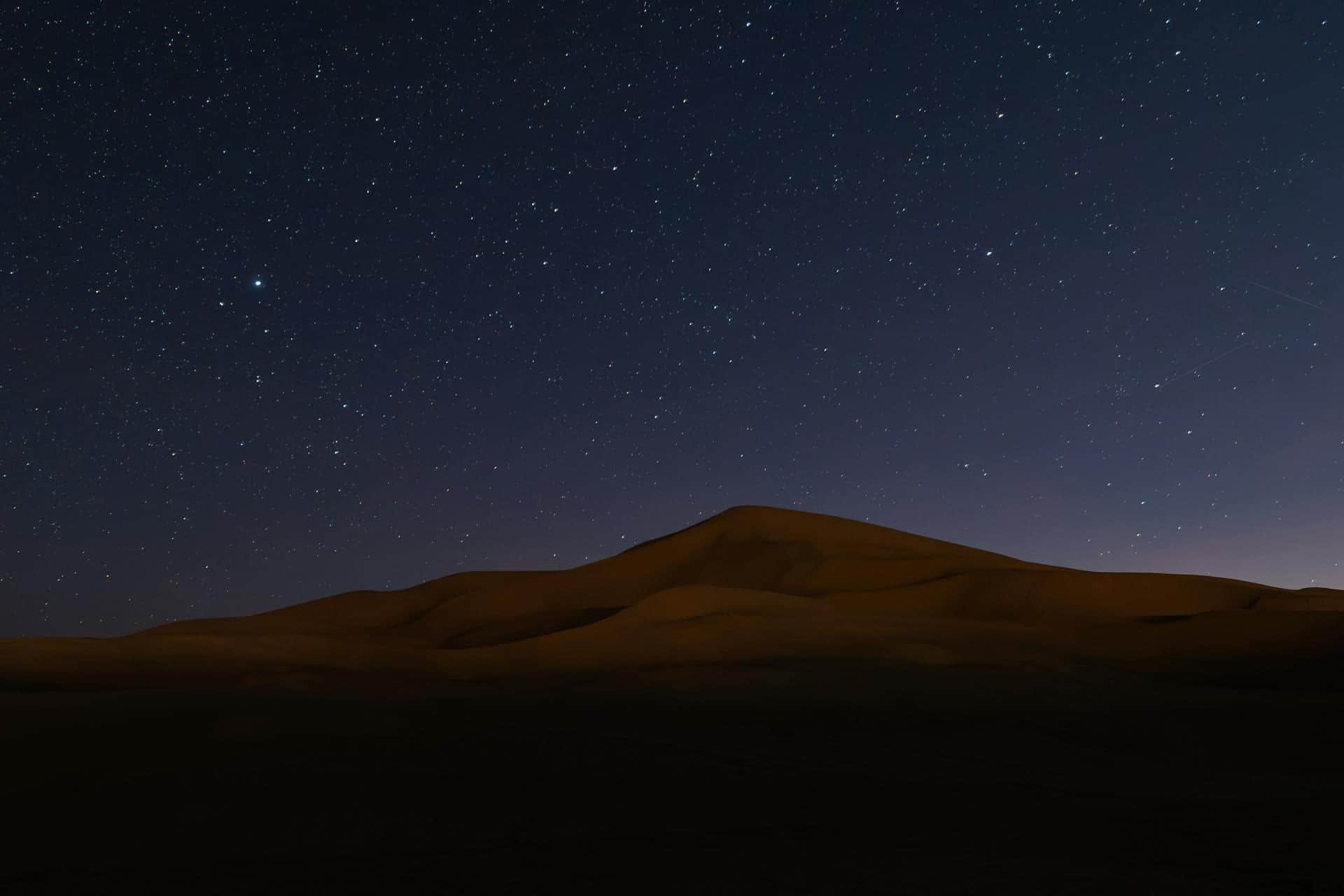
The desert is the heart of it. Erg Chebbi rates Bortle Class 1–2, the darkest classification there is, equivalent to the world's best dedicated observatory sites. Under that sky the zodiacal light is visible, the Milky Way is bright enough to cast a faint shadow on the sand, and the Triangulum Galaxy (M33), some 2.7 million light-years away, can be seen with the naked eye. Merzouga gets more than 300 clear nights a year. On the flagship night an astronomer sets up a telescope, picks the season's best deep-sky targets, and — if you want — helps you photograph the galactic core, which arches highest between May and August.

The Atlas adds the science. We visit the Oukaïmeden Observatory at 2,750 metres, built by Cadi Ayyad University and registered with the International Astronomical Union — home to TRAPPIST-North, a 0.6-metre robotic telescope that is the northern-hemisphere partner to the instrument that helped characterise the famous TRAPPIST-1 system of seven Earth-sized planets. (To be precise: the original 2016 discovery was made by TRAPPIST-South in Chile; Oukaïmeden's role is the northern follow-up — we'd rather tell you that than oversell it.) It's a rare chance to connect the romance of the desert sky to a working research observatory.

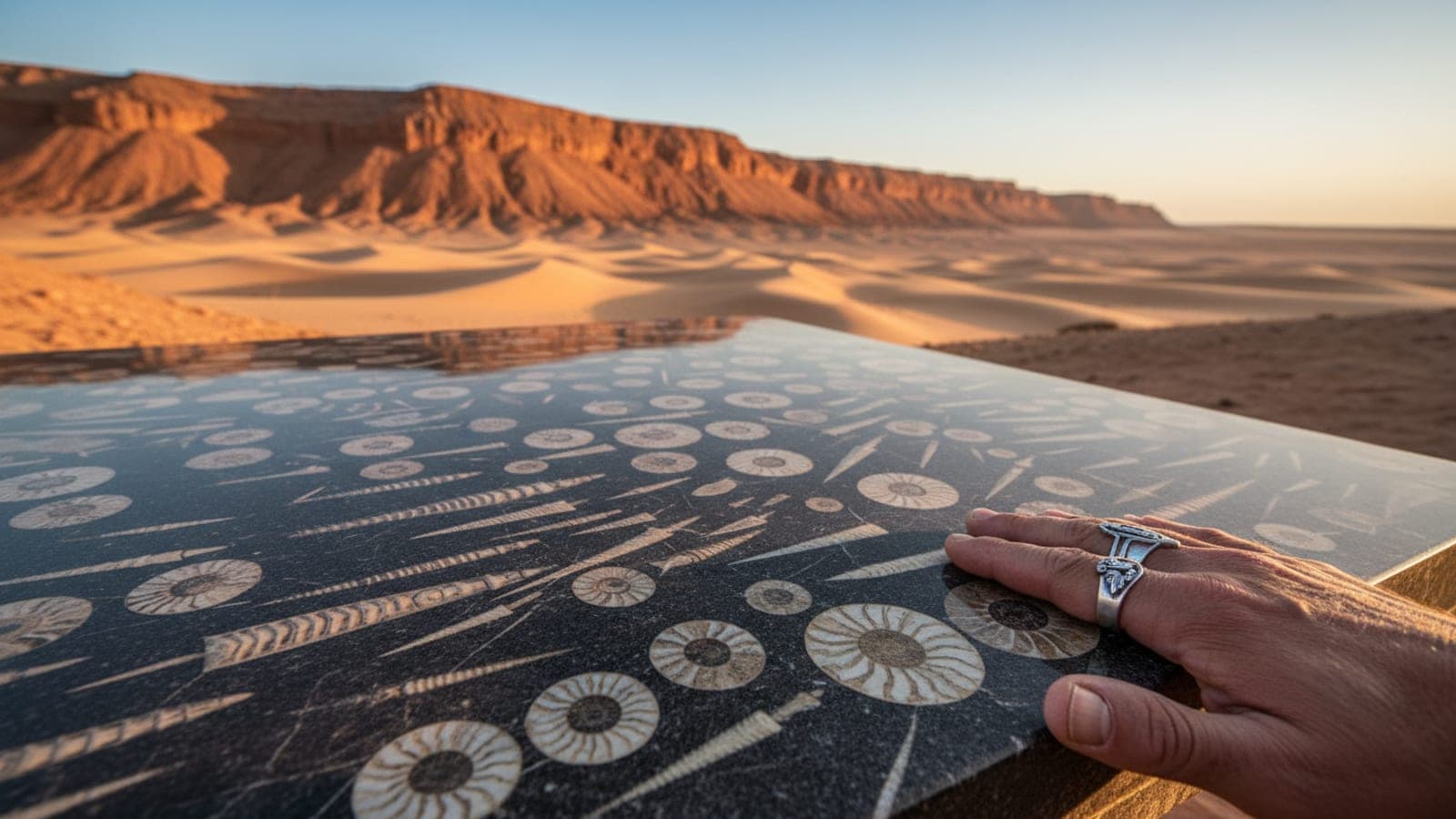
'Deep time' is the second thread. The same Atlas and pre-Saharan landscape that gives us dark skies also holds one of the great fossil records on Earth, and we weave a little of that geology into the trip — two ways of reading deep time, the light that left a galaxy before humans existed and the rock that records life far older still. There is also, increasingly, a conservation point: global light pollution is rising nearly 10% a year, and the dark sky is itself a vanishing thing worth protecting — Morocco's proposed Atlas Dark Sky reserve would be the first in North Africa.

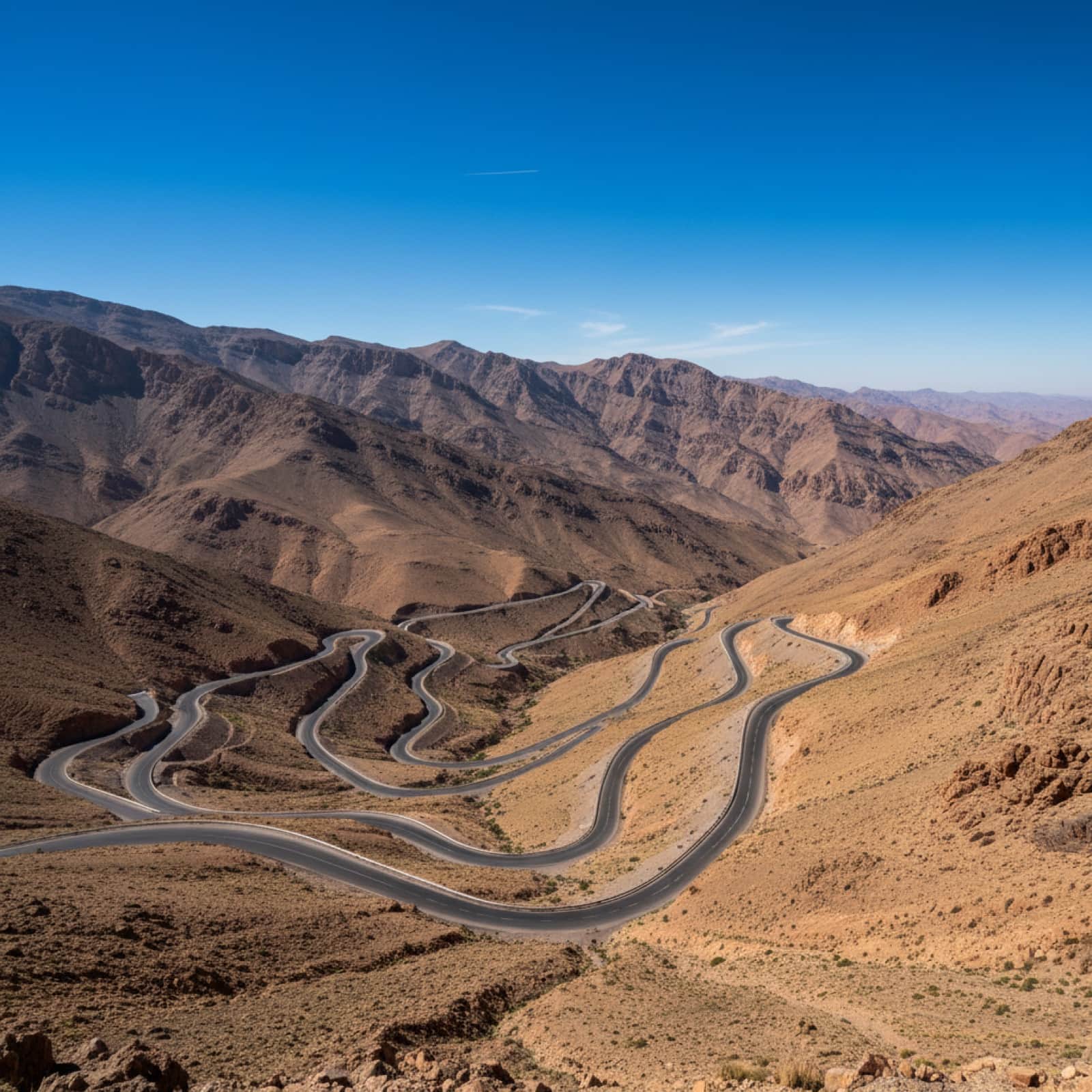
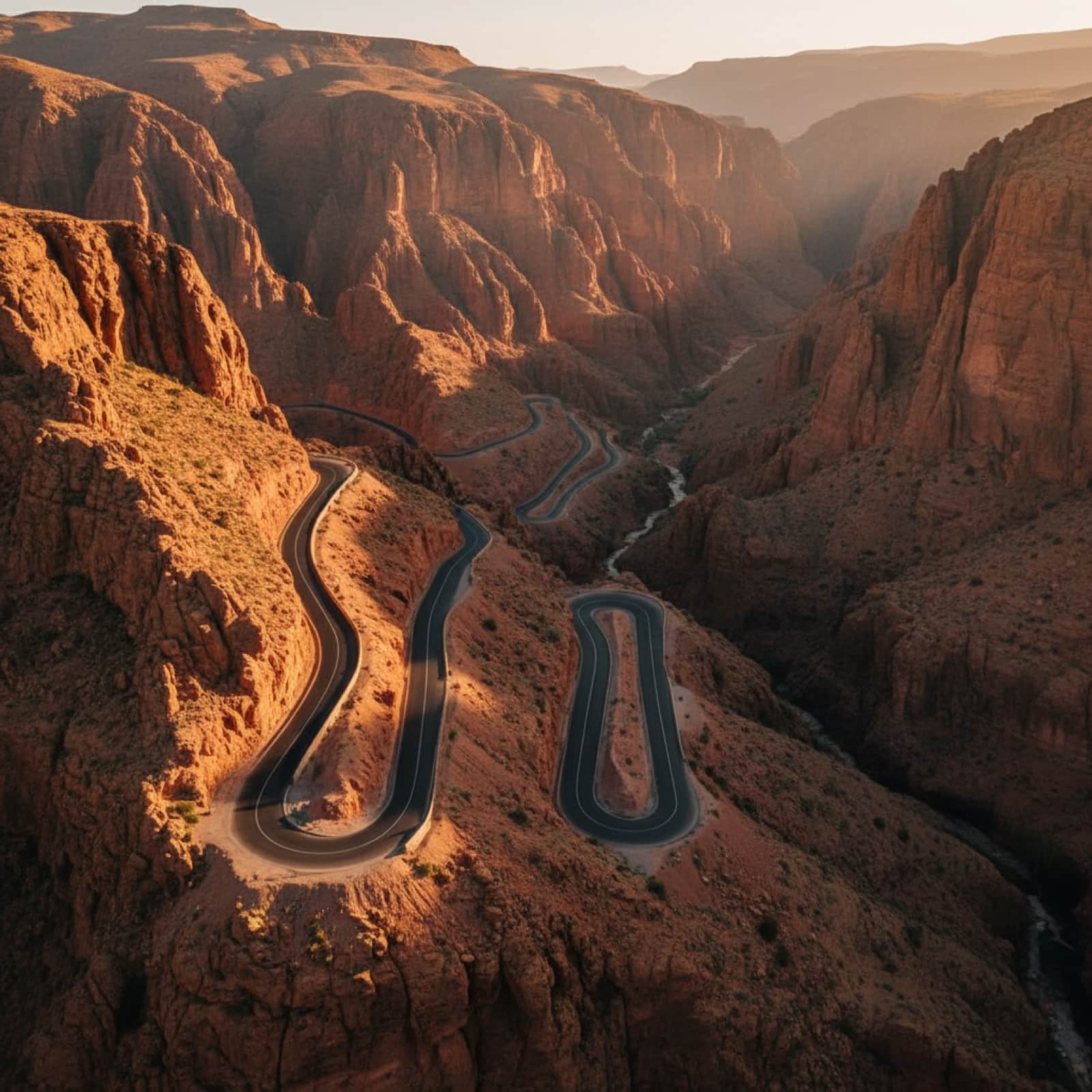
Practically, it's a comfortable 6-day private loop from Marrakech: the High Atlas and Oukaïmeden, down through the Dadès and Todra gorges, two nights in a desert camp at Erg Chebbi, and back over the Tichka pass via Aït Benhaddou. Astronomer-guided, telescope provided, capped small, and built around the one thing you can't book on demand — a moonless, cloudless desert night.

Destaques da viagem
  • Bortle Class 1–2 desert skies at Erg Chebbi — the darkest tier on the scale, where the zodiacal light shows, the Milky Way casts shadows, and the M33 galaxy (2.7 million light-years away) is visible to the naked eye
  • The Oukaïmeden Observatory at 2,750 m in the High Atlas — home to TRAPPIST-North, the northern twin of the telescope that helped characterise the seven-planet TRAPPIST-1 system
  • Astronomer-guided desert nights with a telescope — deep-sky targets chosen for the season, plus astrophotography help
  • Timed to the new moon, when the sky is darkest — roughly 4,000 stars visible to the naked eye versus a few hundred from a European city
  • A galactic-core calendar: the Milky Way's bright core is best April–September, peaking May–August
  • 'Deep time' as well as deep sky — the Atlas and pre-Sahara fossil record paired with the night sky, two ways of reading the age of the Earth
  • A dark-sky ethic with a Saharan twist: even dung beetles navigate by the Milky Way, and light pollution erases it
Dia a dia

Dia a dia

  1. Dia 1

    Marrakech → Oukaïmeden (High Atlas, 2,750 m)

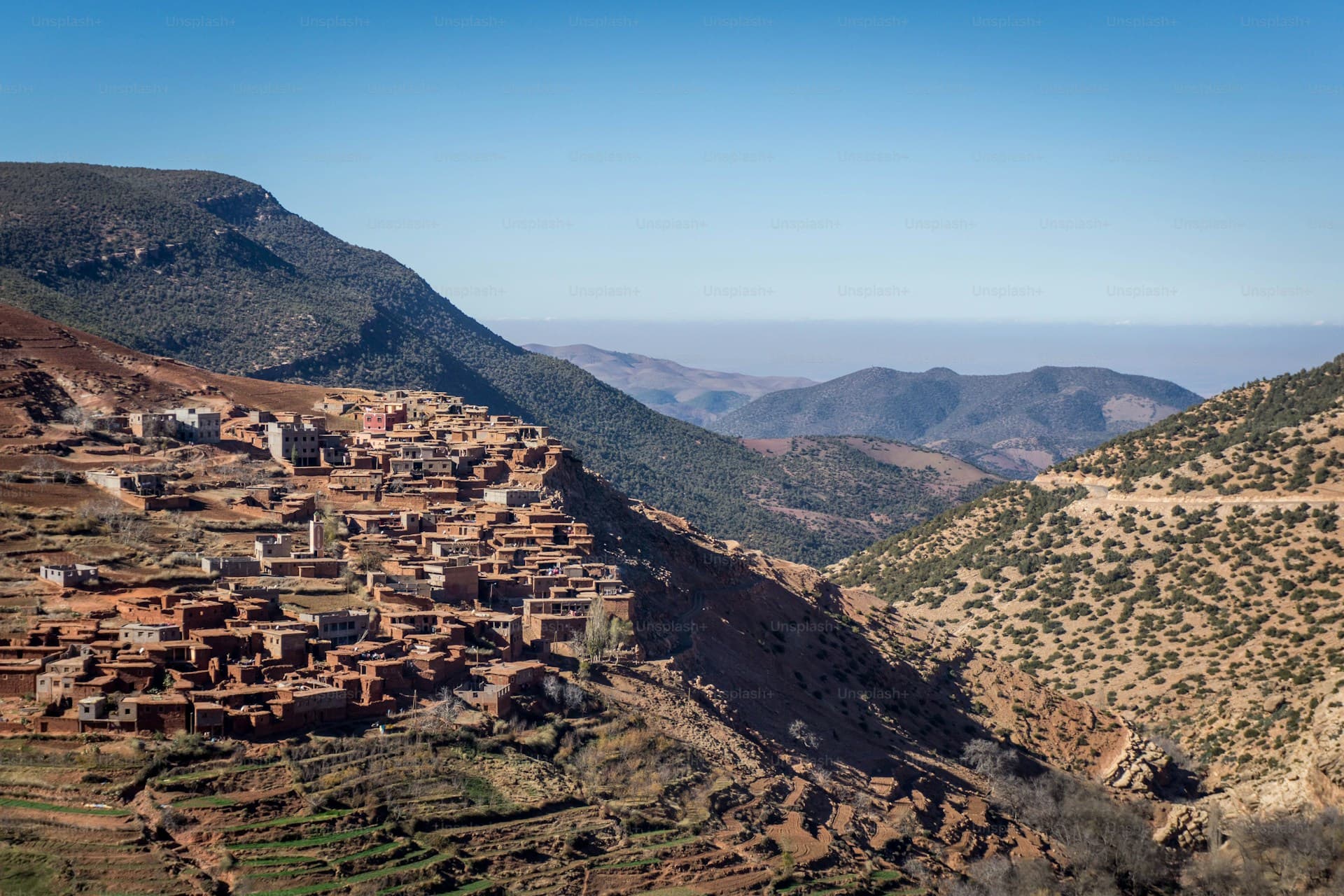
    Pickup in Marrakech and a climb into the High Atlas to Oukaïmeden — Africa's highest ski resort and the site of Morocco's premier observatory, about 80 km and under two hours from the city. Afternoon at altitude (the air is thin and clear), an introduction to the observatory and its instruments, and a first high-altitude night sky once it's dark. Overnight in the Oukaïmeden / Atlas area.

    Estrada · 2h

  2. Dia 2

    Oukaïmeden → Tizi n'Tichka → Dadès Valley

    Descend the Atlas and cross the Tizi n'Tichka pass (2,260 m) heading south-east, with a stop at the kasbah of Aït Benhaddou en route. Continue to the Dadès Valley among the rock formations and kasbahs. A second, different night sky away from any town. Overnight in the Dadès.

    Estrada · 5h

  3. Dia 3

    Dadès → Todra Gorge → Erg Chebbi (Merzouga)

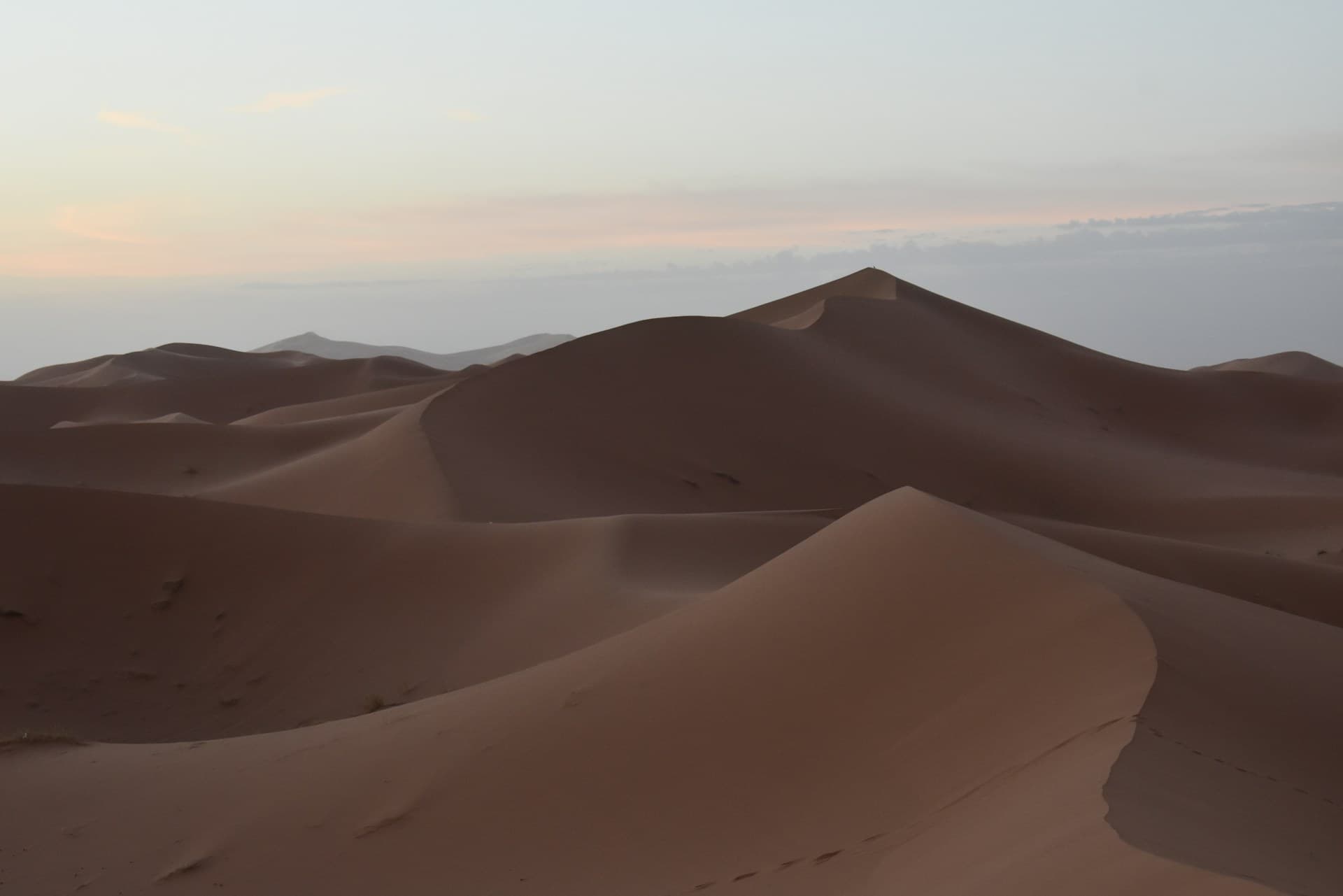
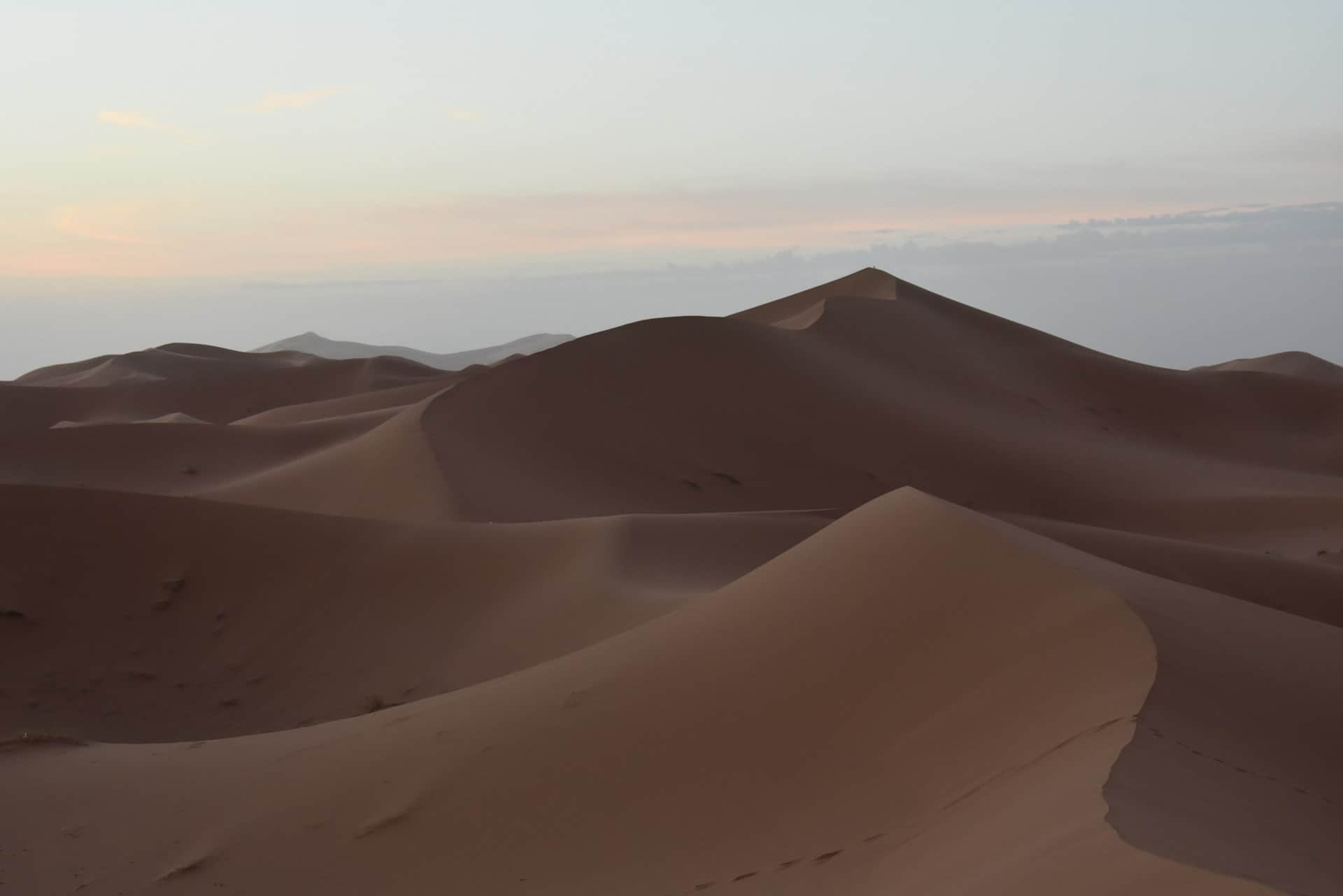
    East through the Todra Gorge and on across the pre-Sahara to Erg Chebbi, the great dune sea at Merzouga — the darkest skies of the trip. Arrive at the desert camp by late afternoon, settle in, and have your first proper Bortle-1 desert night: even before the telescope comes out, the Milky Way overhead is unlike anything most travellers have seen. Overnight in the Erg Chebbi camp.

    Estrada · 5h

  4. Dia 4

    Erg Chebbi — desert day + the flagship astronomer night

    A slow desert day — dunes, a Khamlia Gnawa music visit, rest through the heat. After dark, the centrepiece: an astronomer-guided session with a telescope, working through the season's best deep-sky targets, the planets, and the galactic core (best May–August). Astrophotography help if you want it; otherwise simply lie back on the sand under a sky with roughly 4,000 naked-eye stars. Second night in the Erg Chebbi camp.

    Noite no destino

  5. Dia 5

    Erg Chebbi → Ouarzazate

    A final dawn over the dunes, then the long, scenic drive west toward Ouarzazate, 'the door of the desert', through the Valley of a Thousand Kasbahs. Evening at leisure; an optional last dark-sky session if skies are clear and you're not yet sated. Overnight in Ouarzazate.

    Estrada · 5h

  6. Dia 6

    Ouarzazate → Aït Benhaddou → Marrakech

    A morning at the UNESCO ksar of Aït Benhaddou (a fittingly deep-time piece of human architecture), then back over the Tichka pass to Marrakech by evening. Transfer to your riad or the airport on a flexible window.

    Fim da viagem

O que está incluído

  • Private 4×4 with English-speaking driver for all 6 days (fuel, tolls included)
  • Astronomer / astrophotographer guide for the desert nights, with a telescope and binoculars provided
  • Oukaïmeden Observatory visit and high-altitude session (subject to observatory access)
  • Five nights accommodation — High Atlas, Dadès, two nights Erg Chebbi desert camp (half-board), Ouarzazate
  • Daily breakfast + most dinners (desert-camp dinners included)
  • A new-moon-timed departure for the darkest possible skies

Não incluído

  • International flights to/from Marrakech
  • Lunches (kept flexible for the road)
  • Travel insurance (recommended)
  • Personal astrophotography gear (a tracker and presets are provided; bring your own camera/tripod if you have them)
  • Single-room / single-tent supplement
Desert sky quality
Erg Chebbi: Bortle Class 1–2 (the darkest tier); M33 naked-eye
Oukaïmeden Observatory
2,750 m; home to TRAPPIST-North (0.6 m); ~280 clear nights/yr
Galactic core window
Best Apr–Sep, peak May–Aug; departures timed to the new moon
Naked-eye stars
~4,000 in the dark Sahara vs a few hundred from a European city
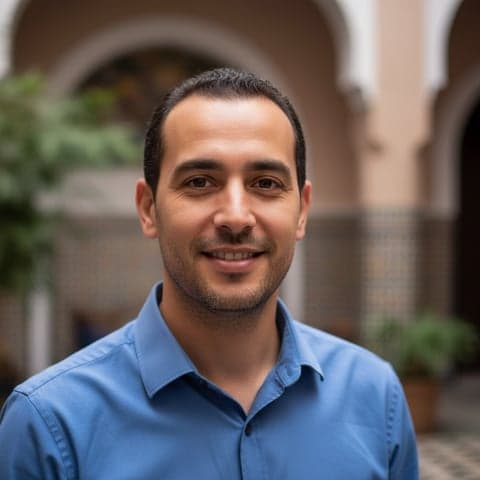
I've watched a planetary scientist and a poet stand on the same dune at Erg Chebbi and go equally quiet. That's the trip. The desert gives you a Bortle-1 sky where the Milky Way throws a shadow, and the observatory at Oukaïmeden gives you the real science behind it. We time every departure to the new moon and we tell you the truth about what you're seeing — including that the TRAPPIST planets were found from Chile, not here. The sky doesn't need exaggerating.
Youssef El Alaoui· Lead Morocco Specialist, Morocco Beauty Spots
Resposta em menos de 24 horasBaseado em Marrakech, MarrocosFalar com Youssef →
Histórias de viajantes

O que dizem os viajantes

  • Sophie & Marc

    Sophie & Marc

    Paris, France

    The best trip of our lives. Our guide knew every village, every viewpoint, every hidden riad. Seven days in Morocco felt like a month somewhere else.
  • James H.

    James H.

    London, UK

    Everything was seamless from landing in Fes to the Sahara camp and back to Marrakech. The night under the stars is something I'll never forget.
  • Ana Rodrigues

    Ana Rodrigues

    Lisbon, Portugal

    Organized, warm, professional. They built the itinerary around what we loved and gave us complete freedom to stop anywhere along the way.
Antes de reservar

Leia isso primeiro se ainda está pesquisando

Perguntas, respondidas

Dark Sky & Deep Time - perguntado frequentemente

What is the best time of year for stargazing in the Moroccan Sahara?
Skies are clear and comfortable September–May, but the Milky Way's bright galactic core — the showpiece — is highest April–September, peaking May–August. We time every departure to the new moon (±3 days) for the darkest sky, and we favour late-spring and early-autumn new moons because they combine the galactic core with bearable temperatures.
Can you see the Milky Way in Merzouga with the naked eye?
Spectacularly. Erg Chebbi near Merzouga rates Bortle Class 1–2, the darkest tier on the scale. Under that sky the Milky Way is bright enough to cast a faint shadow, the zodiacal light is visible, and the Triangulum Galaxy (M33), 2.7 million light-years away, can be seen with the naked eye. You'll see roughly 4,000 stars unaided, versus a few hundred from a European city.
Do I need my own telescope, or does the tour provide one?
We provide the telescope and binoculars, and an astronomer guides the desert sessions. If you're into astrophotography, a tracking mount and presets are available — bring your own camera and tripod if you have them. Most guests are happy simply lying on the sand while the guide points out targets; the telescope deepens it but isn't required to be amazed.
Can you actually visit the Oukaïmeden Observatory?
Yes — we include a visit and a high-altitude session at Oukaïmeden (2,750 m), Morocco's premier observatory, built by Cadi Ayyad University and registered with the International Astronomical Union. Access to specific instruments depends on the observatory's schedule, which we coordinate in advance. It's home to TRAPPIST-North, the northern partner of the telescope that helped study the TRAPPIST-1 planetary system.
What's the difference between Erg Chebbi and the Agafay Desert for stargazing?
Agafay is close to Marrakech (an hour) and convenient, but it sits near the city's light dome and is nowhere near as dark. Erg Chebbi is a long drive east but delivers genuine Bortle Class 1–2 skies with no light pollution on any horizon. If dark sky is the goal — and on this tour it is — Erg Chebbi is worth every kilometre; Agafay is a city-break stargaze by comparison.
When is the Milky Way galactic core visible in Morocco?
The bright galactic core is above the horizon roughly April–September and at its best May–August, rising into the southern sky after dark. Outside that window you still get a magnificent star field and winter targets like the Orion Nebula, but for the iconic arching-core photograph, a May–August new moon is the sweet spot.
Is the tour good for someone who knows nothing about astronomy?
Completely. This is deliberately a two-audience tour: the astronomer pitches the science as deep or as light as you like, and you can simply lie back and take in the awe with no jargon at all. The 'Seeker' and the 'Scholar' get the same dark sky; only the commentary changes.
Why does dark sky matter beyond the view?
Because it's disappearing — global light pollution is rising nearly 10% a year, and roughly 80% of the world now lives under skies too bright to see the Milky Way. It matters ecologically too: even African dung beetles navigate by the Milky Way and lose their way under artificial light. Morocco's proposed Atlas Dark Sky reserve would be the first in North Africa. Part of the point of this trip is to value the dark while it lasts.
Paradas neste passeio

Para onde você irá

Ver tudo

Quer essa viagem sob medida para você?

Diga-nos as suas datas e ritmo. Nossos especialistas em Marrocos respondem em 24 horas com um plano diário privado.

Planeje esta viagem