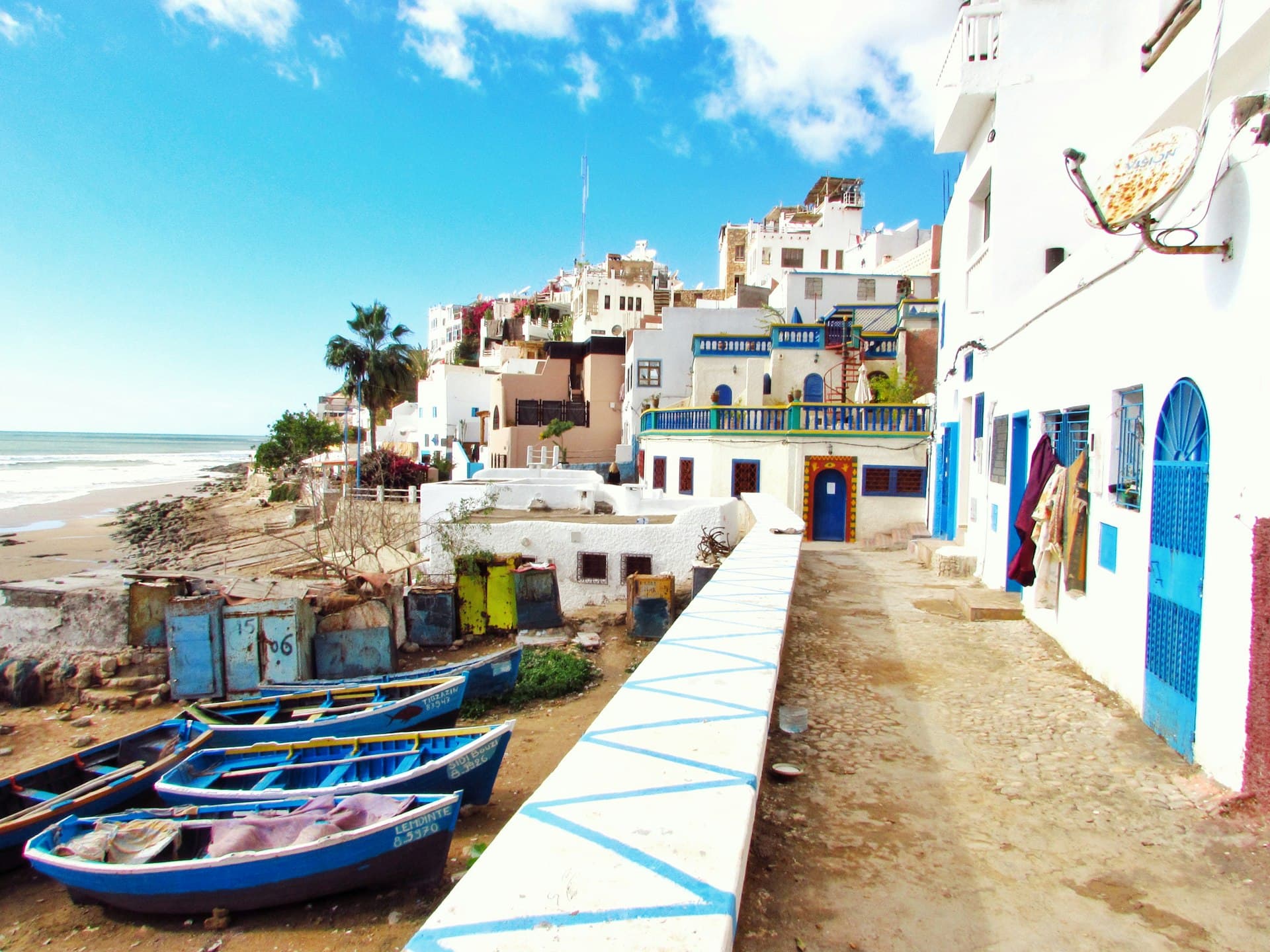
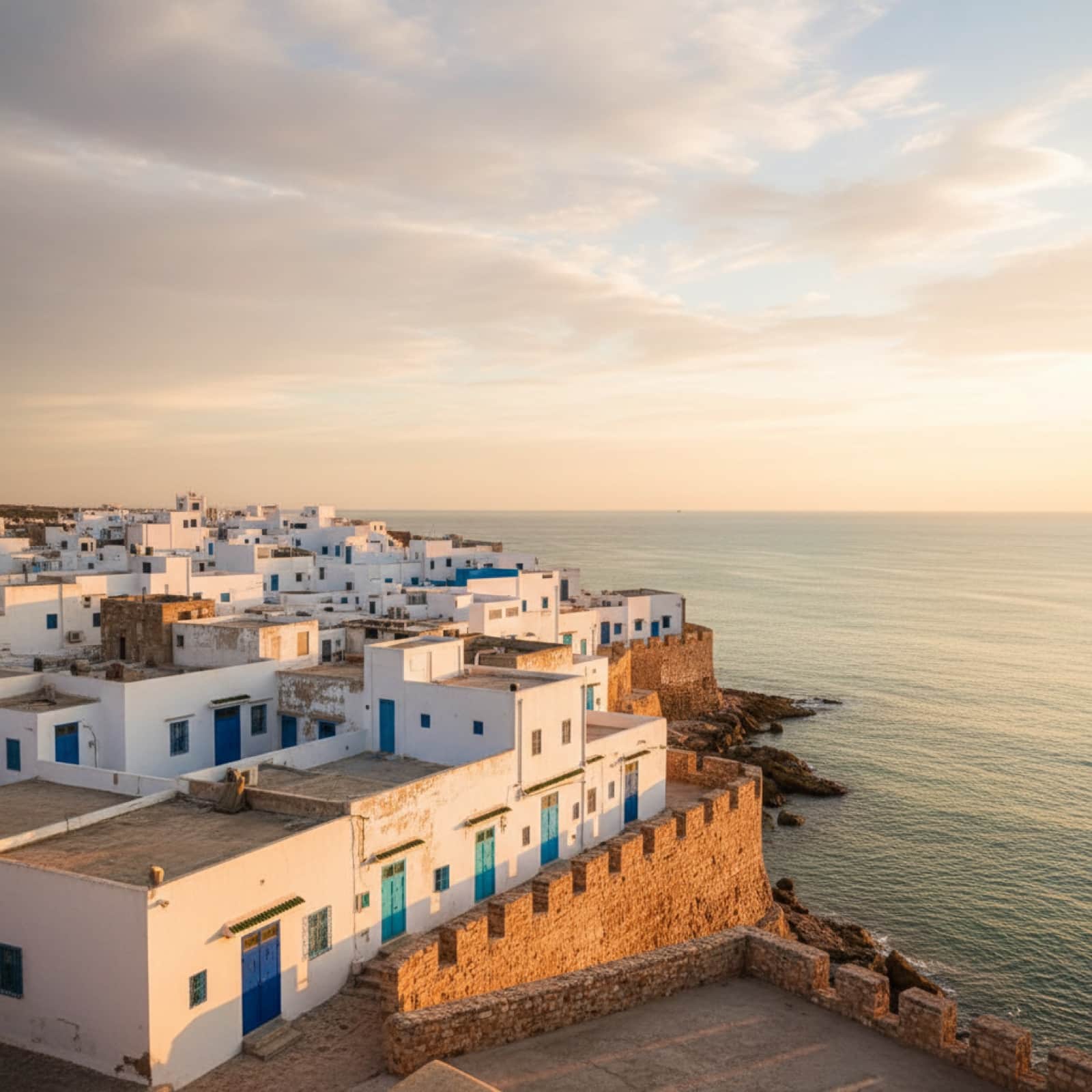
Asilah is Morocco's whitewashed Atlantic arts town — Portuguese ramparts, a mural-painted medina, and the summer arts festival, 40 km south of Tangier.
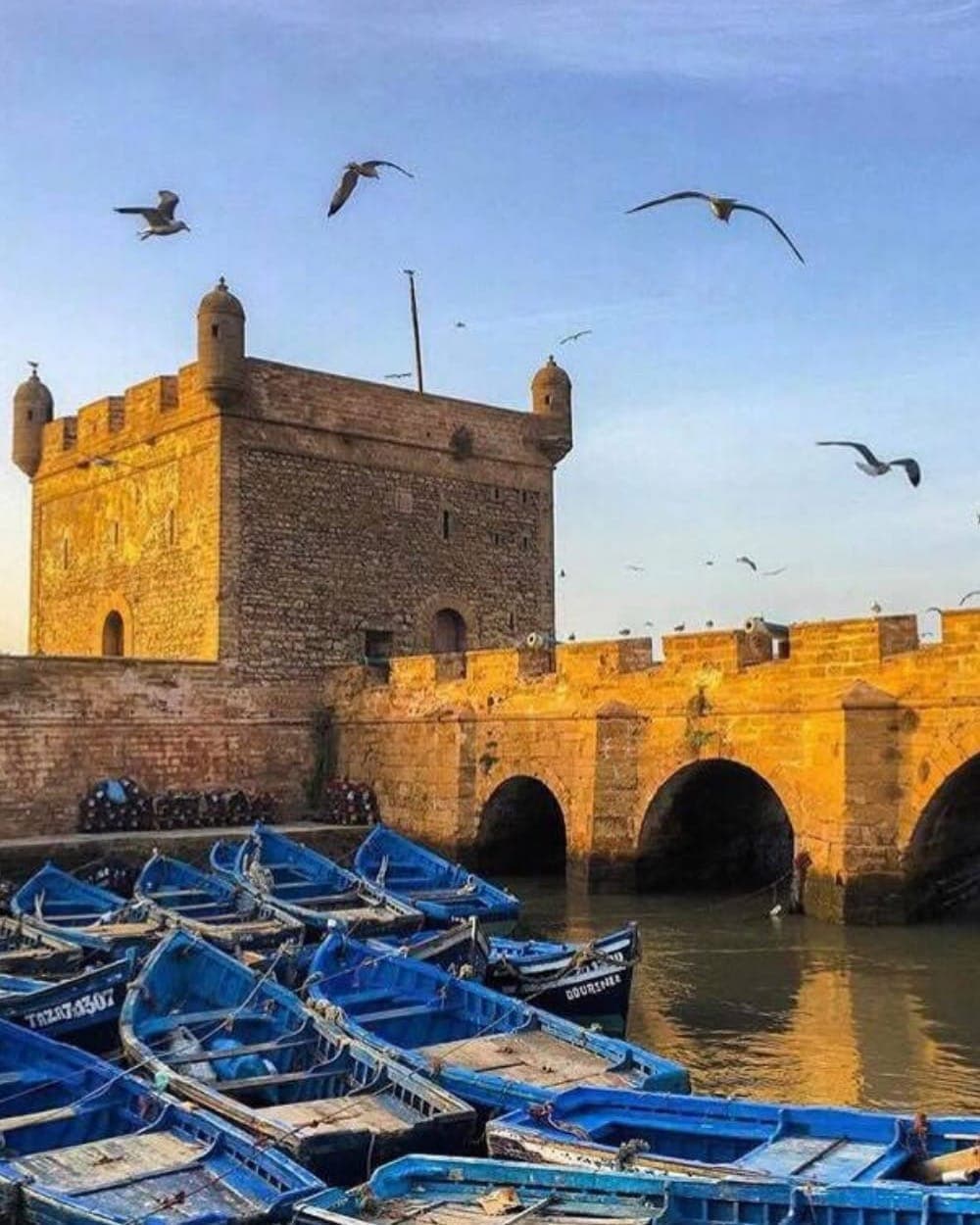
Asilah is a small fortified arts town on Morocco's Atlantic coast, about 40 km south of Tangier, ringed by Portuguese ramparts built in the late 15th century. Its whitewashed medina, trimmed in blue, is famous for the murals painted on its walls each summer during the Asilah Arts Festival, held annually since 1978. It is quiet, clean, and easy to reach by train — an ideal day trip or overnight.
I send first-time visitors to Asilah when they want the calm, painterly side of Morocco's north without the crush of the bigger cities. It rewards slow walking: the light off the ocean, the cats asleep on warm ramparts, and a medina that quite literally changes its face from one year to the next.
Where is Asilah?
Asilah, sometimes spelled Arzila, sits on the Atlantic coast of northern Morocco, roughly 40 km south of Tangier in the Tanger-Tetouan-Al Hoceima region. It faces straight onto the ocean rather than the Mediterranean, which gives it cooler breezes and wide, open beaches.
The town has been settled for thousands of years. Phoenician traders established a coastal post called Zilis here around 1500 BC, and the site later passed through Roman, Arab, Portuguese, Spanish, and French hands across roughly 3,600 years of recorded history. The Portuguese took the town in 1471 and rebuilt its defences before abandoning it in 1549.
What you walk through today, though, is essentially a compact, walled medina pressed up against the sea, small enough to cross on foot in about fifteen minutes. Its layout — tightened by the Portuguese for easier defence — is what makes it so easy to explore without a guide or a map.
What is the Asilah Arts Festival?
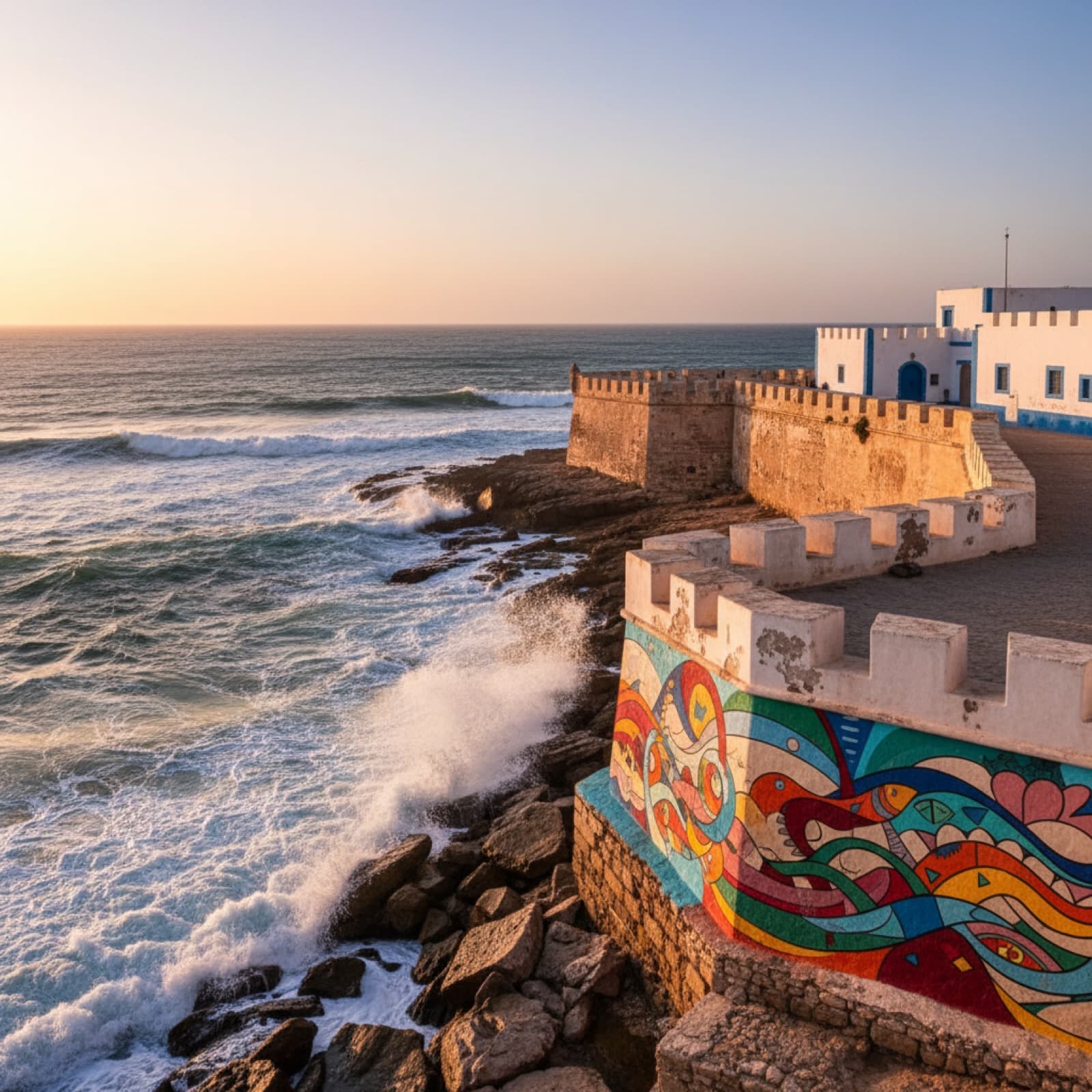
The Asilah Arts Festival — formally the International Cultural Moussem of Asilah — has run every summer since 1978, when the writer Mohamed Benaissa and the painter Mohamed Melehi launched it to revive the then-neglected town. It invites artists from across Morocco and around the world to paint large murals directly onto the medina's walls, alongside concerts, poetry, and workshops.
The festival usually opens in July. Before the artists arrive, locals whitewash the medina fresh, deliberately leaving blank stretches of wall as a clean canvas. The murals are repainted periodically, so no two summers look the same — the walls you photograph this year may be entirely different the next.
The Moussem is credited with driving Asilah's urban renewal and is now considered one of Morocco's most important cultural festivals. Mohamed Benaissa, its co-founder, later served as Asilah's mayor and as Morocco's foreign minister, and the festival is widely seen as the reason the town was restored rather than left to decline.
Even outside festival season, the most recent year's murals usually stay up, so the medina reads as an open-air gallery year-round. If you specifically want to see artists at work on the walls, aim for July; if you want the finished murals with fewer crowds, the months just after — late summer into autumn — are ideal.
What is there to do in the medina?
The medina is the whole point. Wander the lanes between coats of fresh white and pale blue, photograph the murals, and walk the seaward ramparts where the Atlantic breaks just below the stone. There are no big monuments to queue for — the pleasure is the texture of the place, which is exactly why it rewards a slow pace.
Look for the Bab el-Bahr, the Sea Gate that frames the ocean as you step out of the medina, and the Krikia bastion on the ramparts, the best spot to watch the waves. The early-20th-century palace built for the warlord Moulay Ahmed er-Raisuli still stands inside the walls, and the quiet square of Place Abdellah Guennoun anchors the old town.
Galleries and craft shops tuck into the lanes between the murals, many of them run by artists who first came for the festival and stayed. The cafes facing the walls are made for an unhurried mint tea, and the small fishing port at the edge of town brings in the day's catch — grilled fresh, it is the local lunch.
“Asilah is the town I recommend when a traveller says they love Chefchaouen but want the sea. Give it a slow afternoon — walk the ramparts at golden hour, let the murals surprise you, and don't try to tick off a list. There isn't one. That's the charm.”
— Amina Tazi, Travel Designer at Morocco Beauty Spots
What are the beaches like?
Asilah's beaches are wide, sandy, and Atlantic — which means cleaner air, bigger surf, and cooler water than the Mediterranean coast further east. The town beach runs north right from the edge of the medina and is easy to reach on foot.
The best-known stretch is Paradise Beach (Sidi Mghait), a long arc of pale sand roughly 3 km south of town. It is calmer and prettier than the town beach; a short taxi ride or a walk along the coast gets you there. In July and August it fills with Moroccan families on holiday, so come early in the day or visit in shoulder-season for space and quiet.
A practical note on the water: this is the open Atlantic, so it runs cooler than many travellers expect even in high summer, and the surf can be lively. It is wonderful for long walks and sunsets; for swimming, pick a calm day and watch the currents, especially with children.
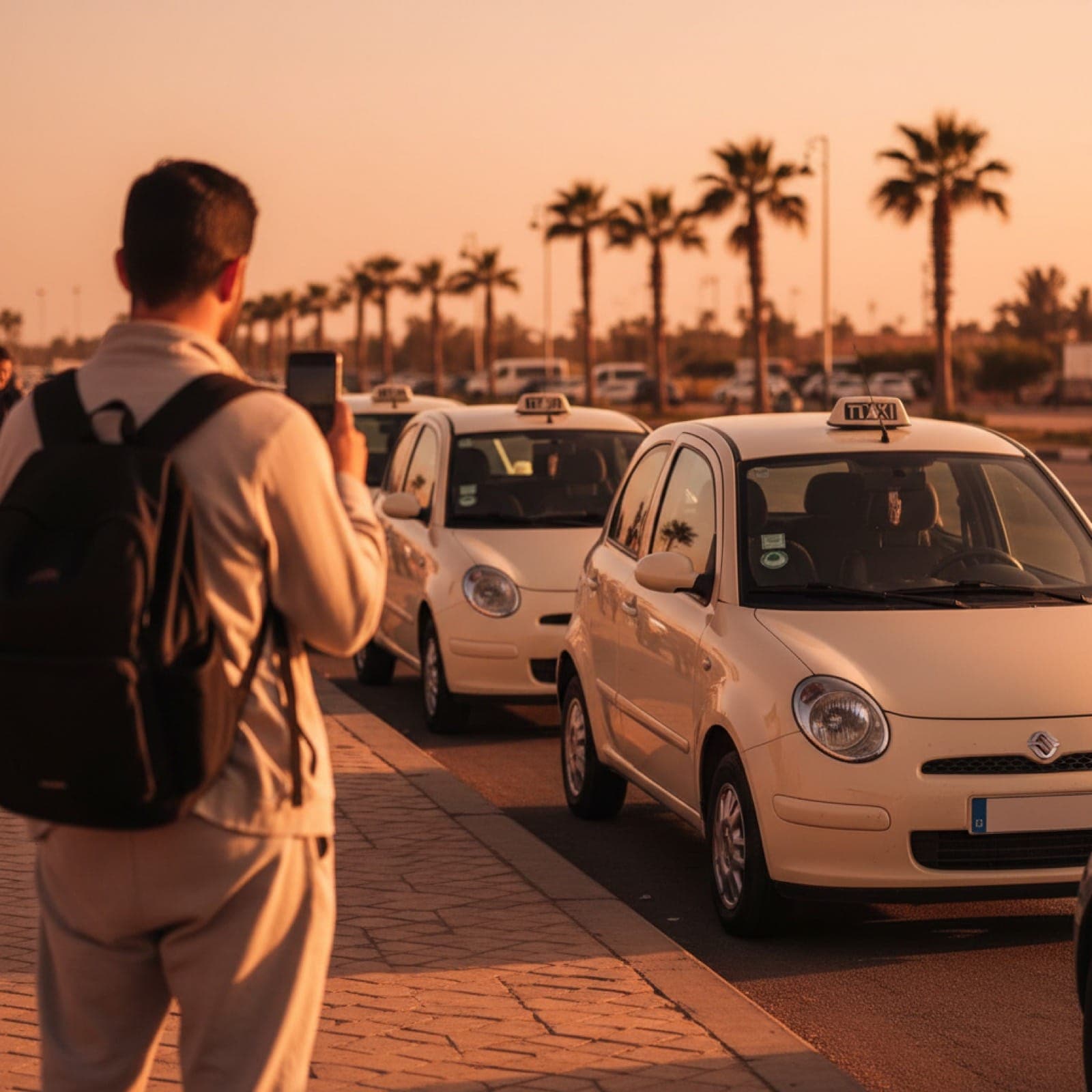
How do you get there from Tangier?
Asilah is one of the easiest day trips in Morocco. The road distance from Tangier is about 45 km, and you have three simple options — train, grand taxi, or a private transfer.
| Option | Time | Notes |
|---|---|---|
| Train (ONCF) | ~40 min | Cheapest and most comfortable; frequent daily departures. Asilah station sits ~2 km outside the medina — take a petit taxi in. |
| Grand taxi | ~45 min | Shared taxis leave from Tangier when full; cheap and frequent. Confirm the fare before you set off. |
| Private transfer | ~45 min | Most flexible — door to medina gate, with a driver who waits while you explore. The option we arrange for our guests. |
If you are short on time or travelling with family, a private transfer removes the station walk and the haggling. The train, though, is genuinely pleasant and a fine way to do it independently.
How long do you need?
Half a day is enough to see the medina, walk the ramparts, and have lunch. A full day lets you add Paradise Beach without rushing. I think the town is at its best as an overnight, though.
Staying one night means you catch the medina after the day-trippers leave, when the white walls turn gold at sunset and the lanes empty out. There are characterful guesthouses inside the walls, several converted from old town houses, that make the overnight worth it.
Most travellers pair Asilah with Tangier and the wider northern loop rather than treating it as a destination on its own. It also works as a gentle first or last stop on a coastal route running south toward Essaouira — a way to ease into the rhythm of Morocco, or wind down at the end.
What are Asilah's highlights and when?
If you are planning a visit, this is the short version of what to prioritise and the timing that matters most.
| Highlight | What it is | Best timing |
|---|---|---|
| Portuguese ramparts | Late-15th-century sea walls encircling the medina | Golden hour, any season |
| Mural-painted medina | Whitewashed lanes covered in changing street art | Year-round; freshest right after July |
| Asilah Arts Festival | International Cultural Moussem, running since 1978 | Summer, typically opening in July |
| Paradise Beach | Long Atlantic sand beach ~3 km south of town | May–June or September (quieter than peak July–August) |
Is Asilah worth visiting?
Yes — especially if you value atmosphere over a checklist. Asilah is one of the cleanest, calmest, and most photogenic small towns in Morocco, and its art-town character makes it feel different from anywhere else on the coast. It is an easy add to a northern itinerary.
Be honest with yourself about expectations: Asilah is small, and there are no headline monuments. If you need a packed sightseeing agenda, it may feel quiet. If you want to slow down by the Atlantic and wander a living gallery, it is close to perfect.
Pair Asilah with the wider region for the best trip. It sits naturally alongside Tangier to the north and the artist port of Essaouira further down the coast — see our guides to Essaouira's wind, waves and Gnawa and to the blue lanes of Chefchaouen, or browse the best cities to visit in Morocco and the best time to visit to time it right. If you want it built into a relaxed Atlantic route with a driver who waits while you explore, our 4-day coast tour threads these towns together, and you can tell us exactly how you like to travel through the trip planner.
Written by
Amina Benkirane
Destination Editor
Writer and photographer covering the Maghreb. Ten years of wandering souks, kasbahs, and back roads most guidebooks miss.