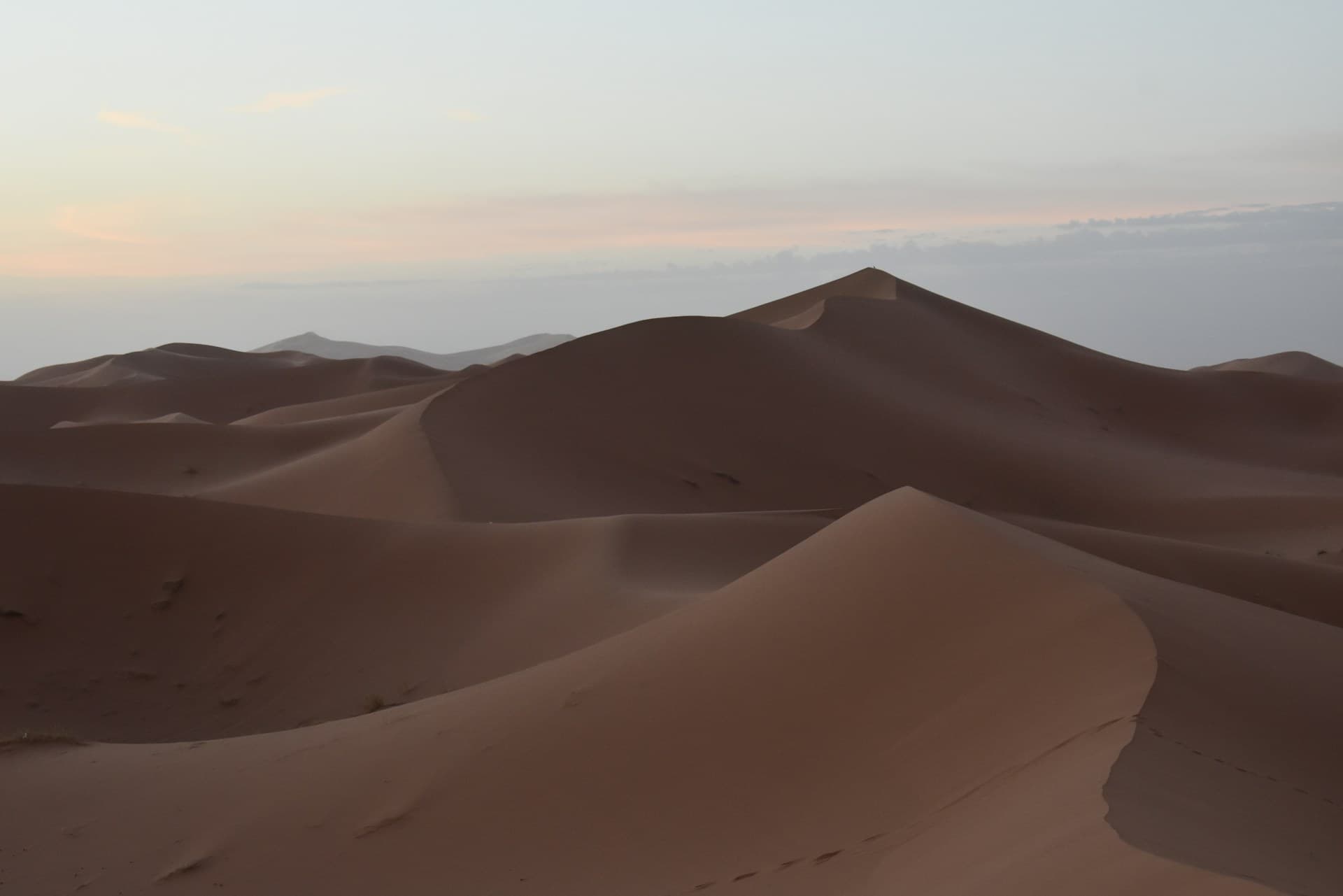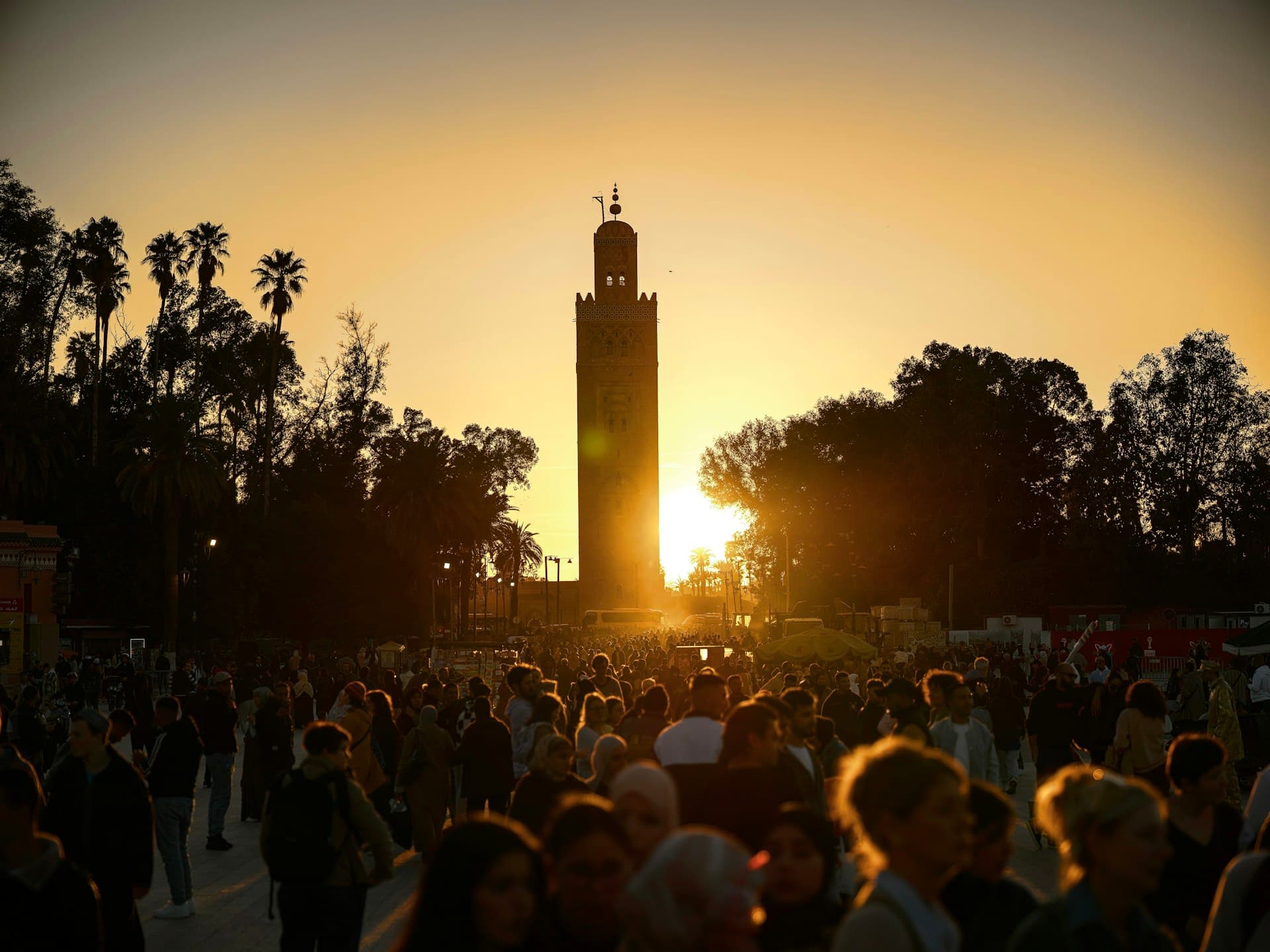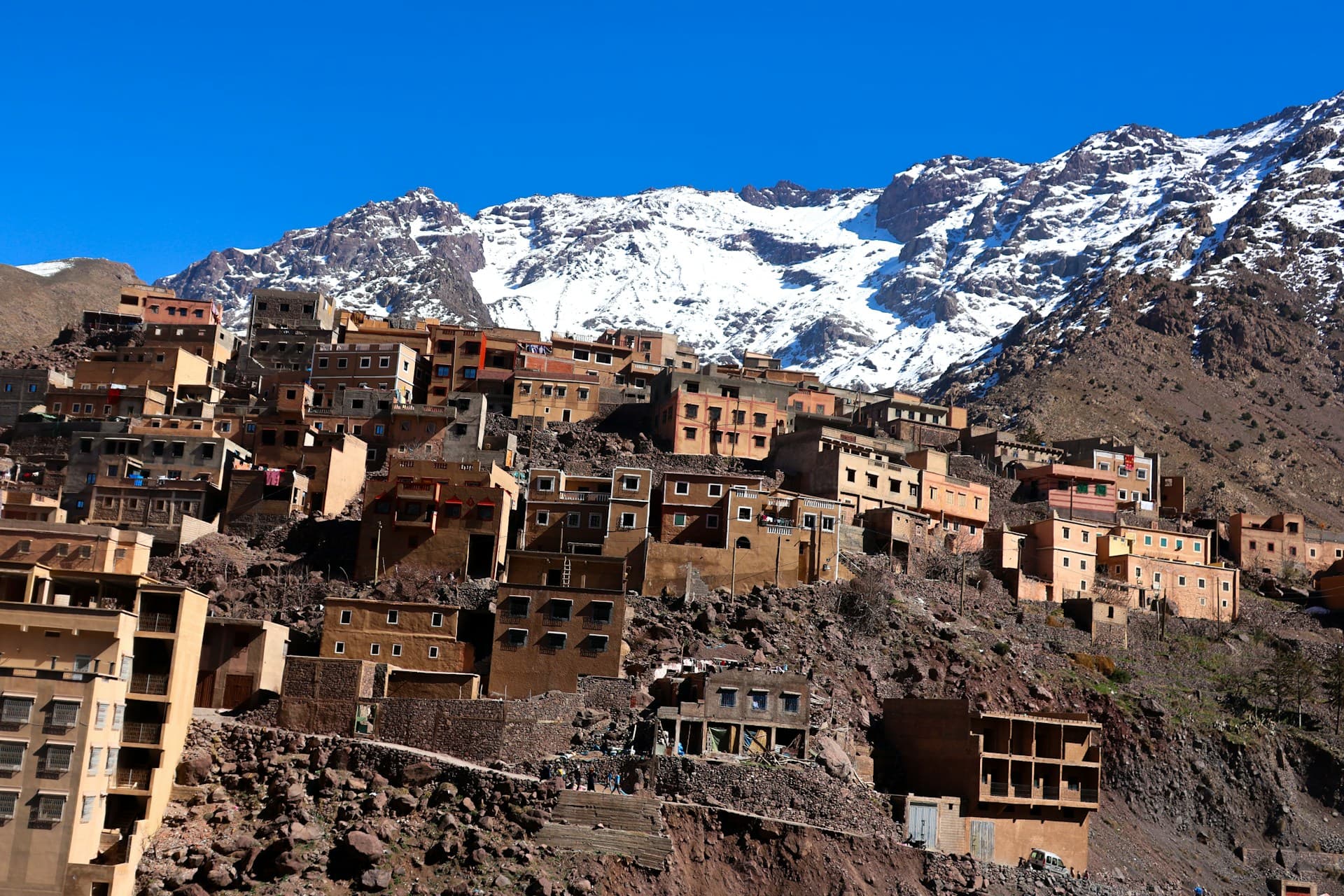
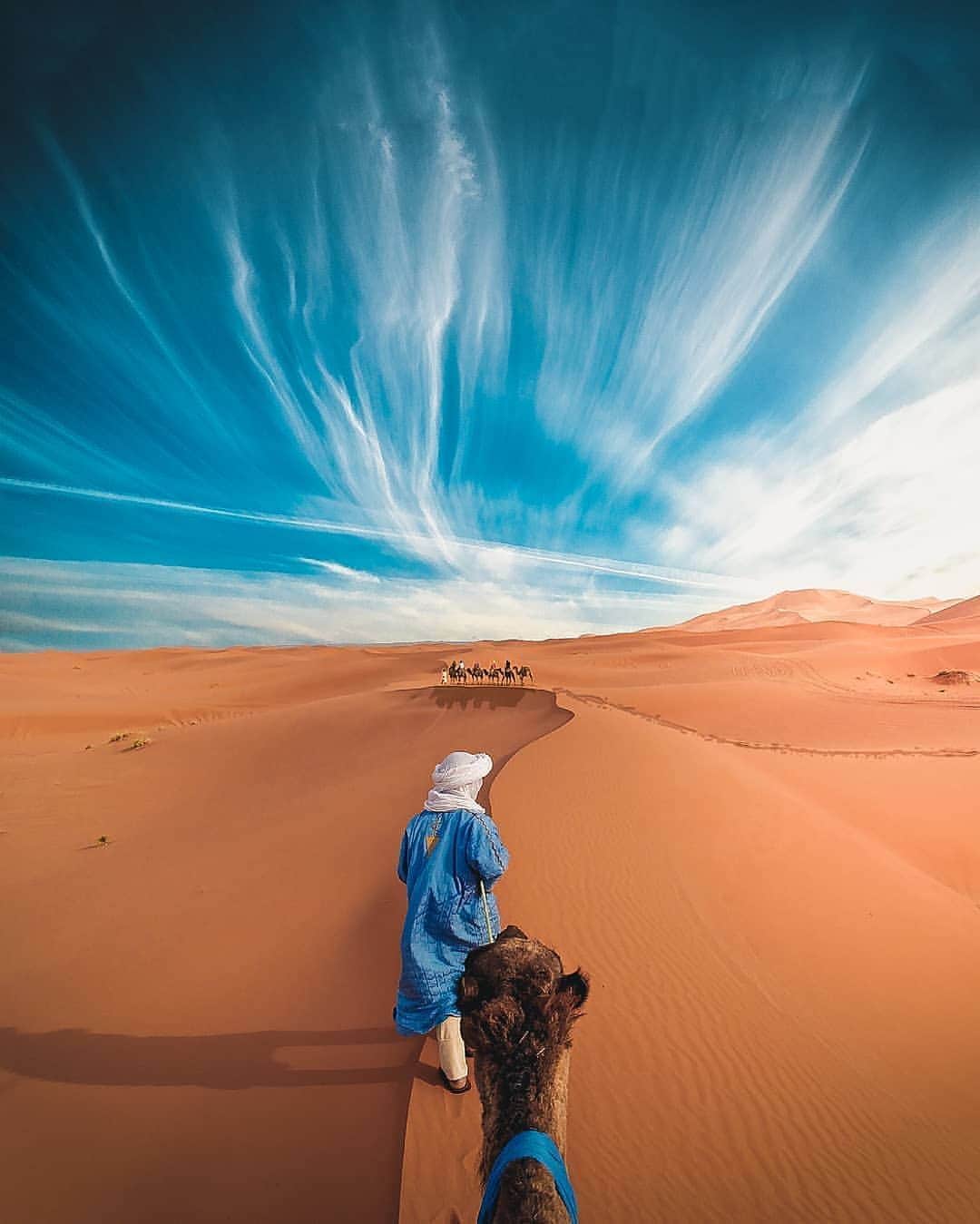
Честное руководство от оператора из Марракеша, родившегося в Риссани, по маршруту Марракеш → Мерзуга на 2026 год: автобус CTM, аренда автомобиля, групповой тур или частный водитель. Реальные цены, реальные компромиссы и выбор в зависимости от типа путешественника.
Марракеш — Мерзуга — это 560 километров асфальта, четыре способа преодолеть их и одна ошибка, которая лишает каждого его закатного верблюжьего похода. Я родился в Риссани, городе-воротах в дюны, и совершал эту поездку более 200 раз. Вот честный расклад по типам путешественников — и реальная стоимость каждого варианта в 2026 году.
Краткий ответ: какой транспорт для какого путешественника?
| Вы... | Выберите это | Почему |
|---|---|---|
| Бэкпекер с ограниченным бюджетом | Общий 3-дневный групповой тур (~$80–150) | Микроавтобус эконом-класса, но охватывает весь маршрут и включает проживание в лагере |
| Самостоятельный водитель, который хочет останавливаться там, где пожелает | Арендованный автомобиль (~$50/день + плата за возврат в другом месте) | Полная гибкость на дороге тысячи касб |
| Пара или семья с 3-дневным окном | Частный 4×4 + водитель (~$140–180/день) | Та же свобода, без стресса от вождения через перевал Атлас |
| Путешественник на автобусе, для которого время прибытия не критично | Автобус CTM или Supratours (~$25–30) | Самый дешевый вариант, но прибытие в 6 утра заканчивает ваш первый верблюжий поход еще до его начала |
| Одиночный путешественник, которому нужно быстро добраться до Мерзуги | Общее гранд-такси (~$15/место) | Быстро и сурово; не подходит для двоих и более |
Ниже я рассмотрю каждый вариант с реальными компромиссами. Ни один из них не является неправильным — они соответствуют разным профилям путешественников. Ошибка заключается в выборе самого дешевого варианта без понимания того, чем вы жертвуете.
Маршрут: 560 км, два перевала, одна поездка, которую вы не захотите совершать ночью
Марракеш расположен на высоте 466 м над уровнем моря. Мерзуга, деревня у подножия дюнного моря Эрг-Шебби, находится на высоте 813 м. Между ними: перевал Тизи-н-Тишка на высоте 2260 м — самая высокая асфальтированная дорога в Северной Африке — за которым следуют 200 км высокогорного пустынного плато через долину Дадес и пальмовые рощи Драа.
При безостановочной езде Google Maps показывает 8 часов. На практике следует добавить еще 1–2 часа на остановки, медленное движение за перегруженными грузовиками на серпантинах Тишки и обязательный мятный чай в Айт-Бен-Хадду. Никто не проезжает этот маршрут за один день без сожалений. Стандартный вариант — ночевка в Уарзазате или долине Дадес.
Примечание о сезоне: с конца ноября по март перевал Тишка закрывается 3–4 раза каждую зиму из-за снега. В феврале 2025 года он был закрыт на 36 часов — и у нас были клиенты, застрявшие в Телуэте в неподходящей обуви. Проверяйте портал дорожных условий Королевской жандармерии утром перед поездкой, если вы едете с ноября по март.
Вариант 1: Автобус CTM / Supratours
Цена (2026): 250–300 MAD ($25–30) в одну сторону. Бронируйте на ctm.ma или supratours.ma за два-три дня.
Расписание: Прямого автобуса Марракеш → Мерзуга не существует. Вы пересаживаетесь через Риссани или Эррахидию — оба города находятся примерно в 35–55 км от Мерзуги. Ночной автобус CTM Марракеш → Эррахидия отправляется из Марракеша около 20:30 и прибывает в Эррахидию около 6:30. Supratours осуществляет аналогичный ночной рейс в Риссани.
Плюсы: Самый дешевый регулярный транспорт в стране. Автобусы безопасные, комфортабельные, с откидывающимися сиденьями. Бесплатный багаж. Водители профессиональны. Вы спите, пока автобус проезжает перевал Тишка, вместо того чтобы нервничать.
Минусы (главный): Вы прибываете в 6 утра. Ваш верблюжий поход и ночевка в берберском лагере запланированы на закат. Это 12 часов ожидания в деревне с одним кафе и Carrefour. Большинство путешественников CTM либо бронируют отель в Мерзуге на одну ночь (~150–250 MAD), либо организуют верблюжий поход на тот же вечер — оба варианта работают, но сводят на нет экономию.
Вердикт: Подходит для бэкпекеров и бюджетных путешественников, готовых потерять полдня в Мерзуге перед верблюжьим походом. Не подходит для тех, у кого есть только 3 дня.
Вариант 2: Аренда автомобиля
Цена (2026): Экономичный хэтчбек ~$45–70/день из Марракеша, плюс $30–60 на топливо для поездки туда и обратно. Обратите внимание на плату за возврат в другом месте — если вы берете машину в Марракеше и сдаете в Фесе (распространенный план завершения поездки), плата за возврат составляет 70–110 € в зависимости от агентства. Местные марокканские агентства дешевле международных, но их страховка иногда менее полная — читайте мелкий шрифт.
Плюсы: Полная гибкость. Вы можете остановиться у ксара Айт-Бен-Хадду, объекта ЮНЕСКО, в ущельях Тодра, у касб в пальмовой роще Скура, у скальных образований Дадес, называемых «обезьяньими пальцами» — ничего из этого автобус не делает. Вы можете выехать в 5 утра, чтобы встретить рассвет на Тишке. Вы можете изменить план в середине маршрута.
Минусы:
- Перевал Тишка внушает страх. 2260 м, серпантины, медленные грузовики, иногда снег. Если вы нервничаете на горных дорогах, это будет ваш самый трудный день.
- Штрафы за превышение скорости наличными. Королевская жандармерия устанавливает мобильные радары, особенно вокруг Уарзазата и на подъездах к Мерзуге. Стандартный штраф составляет 300–700 MAD на месте, наличными. Спорьте, и будет хуже.
- Плата за возврат в другом месте, если вы не возвращаетесь в Марракеш.
- GPS в сельских районах Марокко ненадежен. Загрузите офлайн-карты Google Maps перед отъездом.
Вердикт: Подходит для самостоятельных путешественников, которые водили машину в Европе или на западе США и хотят свободы. Не подходит для тех, кто впервые едет в Марокко и нервничает на горных дорогах.
Вариант 3: Организованный 3-дневный групповой тур
Цена (2026): $80–150 с человека за 3-дневный маршрут Марракеш → Айт-Бен-Хадду → Дадес → Мерзуга → обратно в Марракеш. Включает транспорт на микроавтобусе, базовое размещение в хостеле/отеле по пути, верблюжий поход и одну или две ночи в «берберском лагере» в Эрг-Шебби.
Плюсы: Абсолютно минимальные хлопоты. Вы приходите к месту встречи в 7 утра с рюкзаком, садитесь в микроавтобус с 10–15 другими путешественниками, и через три дня вы возвращаетесь в Марракеш с картой памяти, полной фотографий дюн. Одиночные путешественники получают групповую динамику — это место, где бэкпекеры обмениваются историями.
Минусы:
- Эконом-класс в дешевом сегменте. Микроавтобусы могут быть тесными. Водители останавливаются в магазинах с комиссионными товарами (ковры, аргановое масло, окаменелости), где торг — это показуха, а цены завышены. Вы останавливаетесь там, где ХОТЯТ ОНИ, а не там, где хотите вы.
- Жесткое расписание. Хотите остаться еще на час в Айт-Бен-Хадду? Сложно — автобус отправляется в 11.
- Качество лагеря сильно варьируется. Лагерь за $90 — это совсем другой опыт по сравнению с роскошным лагерем за $300 — те же дюны, но очень разные кровати.
- Отсутствие гибкости для медицинских, диетических или сенсорных потребностей.
Вердикт: Подходит для одиночных бэкпекеров и путешественников до 30 лет. Не подходит для молодоженов, семей с детьми или людей с ограниченными возможностями передвижения.
Вариант 4: Частный тур с водителем
Цена (2026): $140–180 в день за частный внедорожник 4×4 с англоговорящим водителем, включая топливо. За 3-дневный маршрут Марракеш → Сахара ожидайте $420–540 всего за автомобиль (не с человека). Лагерь + питание + верблюжий поход оплачиваются отдельно, примерно $80–250 с человека в зависимости от класса лагеря.
Плюсы: Та же гибкость, что и при самостоятельном вождении, но без стресса от управления автомобилем. Водитель знает места для фото, которые вы никогда не найдете на Google Maps, знает, в каком кафе в Тингире действительно хороший тажин, и знает разницу между дюной, на которой вы хотите разбить лагерь, и дюной-парковкой, куда дешевые туры высаживают группы. Расписание — ваше.
Минусы: Дороже — хотя при разделении между 2–4 людьми это конкурирует со стоимостью группового тура. Качество варьируется в зависимости от оператора; спросите имя водителя и поищите его в Google. Некоторые «частные туры» — это просто групповые туры с частным автомобилем и теми же жесткими остановками.
Вердикт: Подходит для пар, семей, фотографов, молодоженов — для всех, чей успех поездки зависит от правильного решения мелких деталей. Это то, что предлагает 3-дневный тур MBS в пустыню из Феса, но в обратном направлении. Не подходит только в случае действительно ограниченного бюджета.
Вариант 5: Гранд-такси (бонус)
Цена (2026): ~150 MAD за место в общем гранд-такси от автовокзала Марракеша. Гранд-такси — это междугородний Mercedes 240 из 1980-х годов, вмещающий шесть человек (четыре пассажира плюс двое, втиснутые спереди). Отправляется, когда заполнен.
Плюсы: Быстро. 9–10 часов без остановок, потому что водитель не останавливается, если только ему не нужно топливо. Дешевле автобуса в пересчете на одно место, если ехать вскладчину.
Минусы: Шесть взрослых в Mercedes 1986 года — это ровно так же тесно, как звучит. Багажник маленький. Нет кондиционера. Водители могут быть агрессивными — обгон на слепых поворотах является нормой. Остановки в туалет только по договоренности. Если вы едете в одиночку и вам нужно добраться до Мерзуги за день, это сработает. Для всех остальных — езжайте на автобусе.
Вердикт: Реальный вариант, но нишевый. Не рекомендуем его новичкам.
Что делать по пути: 5 остановок, стоящих объезда
Если вы едете на машине или в частном туре, сам маршрут — это уже путешествие. Пять остановок, которые я бы никогда не пропустил:
- Вершина Тизи-н-Тишка (110 км) — Кофе в простом кафе на перевале, панорамный снимок южных склонов, открывающихся в Атлас. Двадцать минут.
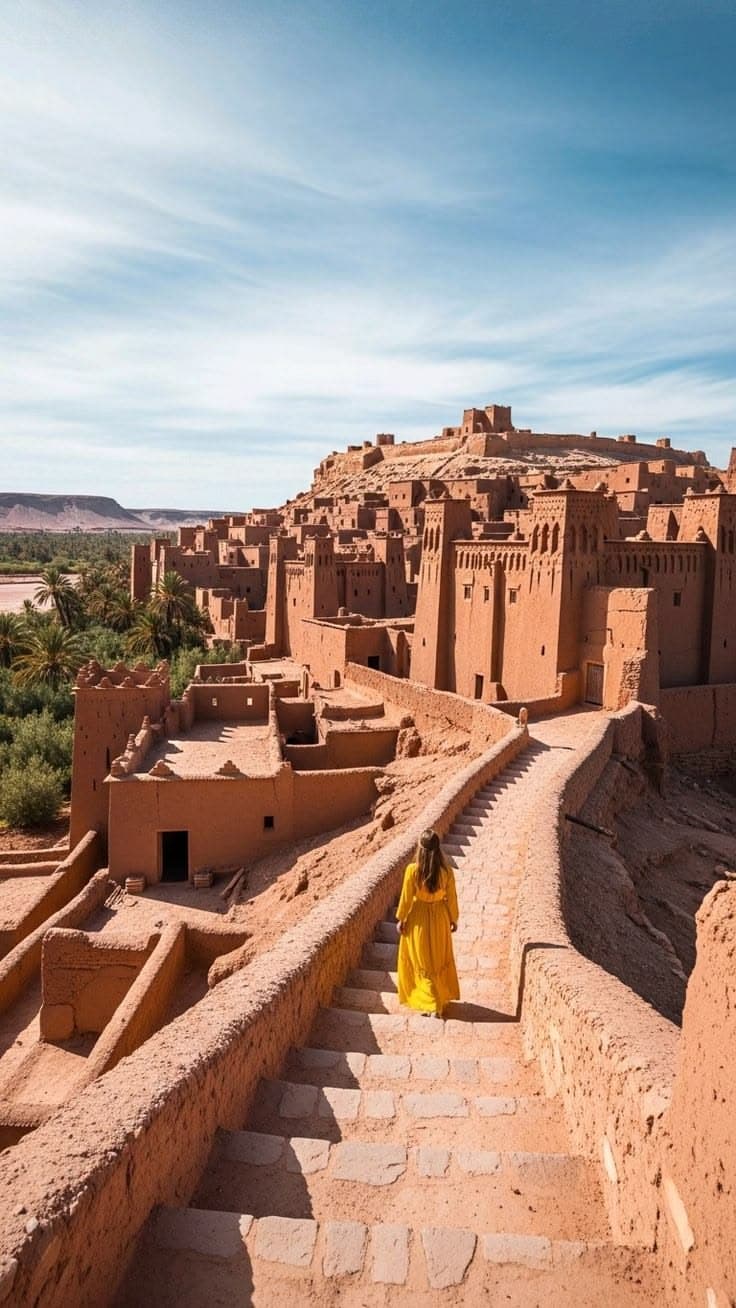
- [Ксар Айт-Бен-Хадду, объект ЮНЕСКО](/destinations/ait-ben-haddou) (200 км) — Укрепленная глинобитная деревня из фильмов «Гладиатор» и «Игра престолов». Подъем на вершину касбы занимает 30 минут, а вид оттуда — лучший на юге страны. Заложите 2 часа.
- Киностудии Atlas в Уарзазате (220 км) — «Голливуд Марокко». Можно пропустить, если вы не фанат кино, но обязательно, если вы таковым являетесь. Декорации тибетского монастыря из фильма «Кундун» реальны и стоят до сих пор.
- Долина Роз + ущелья Дадес (320 км) — Медленно проезжайте через Бумальн-Дадес. Остановитесь у скальных образований, которые местные жители называют «обезьяньими пальцами», для фото. Обед в одном из отелей с террасами на крыше.
- Ущелье Тодра (400 км) — Необязательный объезд 30 км от главной дороги. 300-метровый узкий каньон с одной дорогой по дну и берберскими женщинами, продающими ковры вдоль стены. Заложите 90 минут.
Делать все пять остановок в первый день — это слишком много. Большинство путешественников делят маршрут на два дня, ночуя в Уарзазате, Бумальн-Дадесе или Тингире. 3-дневный частный тур MBS предусматривает ночевку в Высоком Атласе и в долине Дадес перед пустыней.
Ночевка в дюнах: каков на самом деле берберский лагерь для ночевки
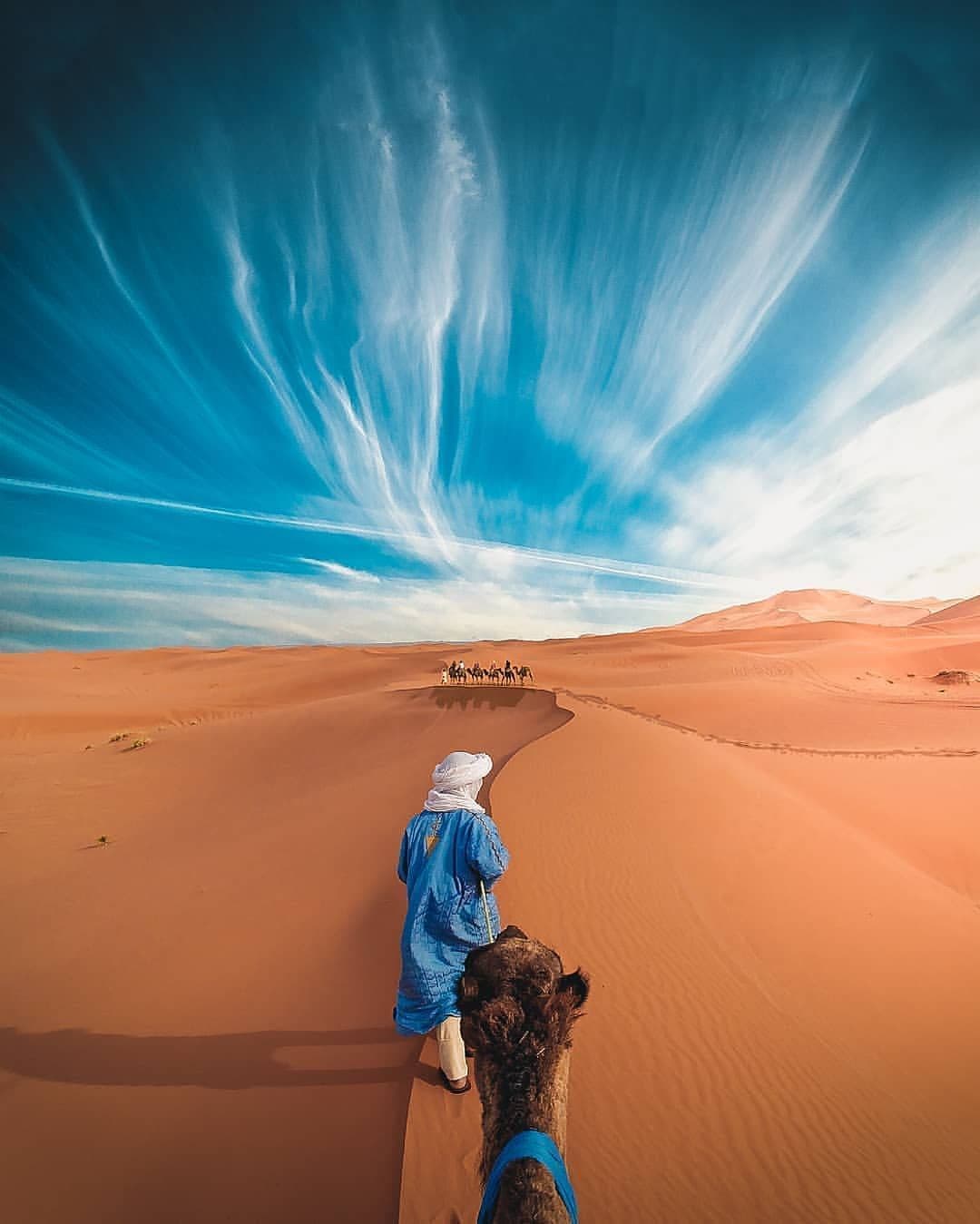
Верблюжий поход по Эрг-Шебби + ночевка в лагере — это то, за чем приезжает большинство путешественников. Вот что никто не говорит вам в подтверждении бронирования.
Поездка на верблюде длится один час. Верблюды ходят медленно. Вы будете наклоняться в седле, и на следующий день у вас будут болеть внутренние стороны бедер. Возьмите солнцезащитные очки, шарф для лица и никаких незакрепленных предметов в карманах (они выпадут, и вы никогда не найдете их в песке).
Лагерь представляет собой скопление брезентовых палаток на ровной площадке между дюнами. Лагеря среднего класса имеют полноценные кровати, собственные «души-ведра», ковры на песчаных полах и ужин, подаваемый за низким столом. Роскошные лагеря имеют полноценные ванные комнаты, электричество и кровати размера «king-size». Туристические лагеря за $80 имеют поролоновые матрасы на полу и общие туалеты. Вы получаете то, за что платите — но дюны остаются теми же дюнами.
Ужин около 20:00, обычно тажин и хлеб, иногда с музыкантом гнава. Сегмент «берберские барабаны у костра» реален, но длится максимум 30 минут.
Ночные температуры сильно колеблются. В июне вы спите поверх одеяла; в январе вы спите под тремя одеялами, а обещанная в лагере «дровяная печь» предназначена для обеденной палатки, а не для вашей. Ночь с температурой 0 °C в Сахаре — это норма для декабря–февраля.
Восход солнца на гребне дюны — это фотография, которую хотят все. Поднимитесь на ближайшую дюну за лагерем за 30 минут до рассвета (ваш гид разбудит вас). Это недолгий подъем, но песок делает его вдвое сложнее, чем кажется. Сядьте на вершине в тишине, пока не появятся первые лучи.
Когда ехать: правда о пустыне по месяцам
| Месяц | Днем | Ночью | Снег на Тишке | Стоит ли? |
|---|---|---|---|---|
| Янв | 17 °C | 0–5 °C | Часто | Низкий сезон; возьмите слои одежды; лагеря холодные, но тихие |
| Фев | 19 °C | 2–7 °C | Иногда | То же самое; самые низкие цены в году |
| Мар | 22 °C | 6–10 °C | Редко | Начинается лучшее время; цветут деревья |
| Апр | 26 °C | 10–14 °C | Нет | Начинается высокий сезон; бронируйте риады за 8 недель |
| Май | 30 °C | 14–18 °C | Нет | Отличный свет для фотографии дюн |
| Июн | 34 °C | 18–22 °C | Нет | Жарко; полуденный верблюжий поход некомфортен |
| Июл | 38 °C | 21–25 °C | Нет | Пропустите, если можете; в пустынях температура достигает 45 °C+ |
| Авг | 38 °C | 22–25 °C | Нет | Пропустите |
| Сен | 32 °C | 16–20 °C | Нет | Возвращается лучшее время; после лета, до дождей |
| Окт | 27 °C | 12–16 °C | Нет | Лучший месяц в году для пустыни |
| Ноя | 22 °C | 7–11 °C | Редко | Отлично; прохладные ночи |
| Дек | 18 °C | 1–5 °C | Возможно | Тихие, холодные ночи; отлично, если вы возьмете теплую одежду |
Большинство клиентов приезжают с марта по май или с сентября по ноябрь. Если вы гибки, октябрь — это единственный лучший месяц: жара спала, свет золотистый, дюны пустынны.
“Большинство путешественников одержимы тем, на какой дюне они спят. Дюна — это та же дюна. Что отличает хорошую ночевку в Сахаре от забываемой, так это водитель, который знает, где остановиться по пути, повар, который научился готовить тажин у своей матери в Риссани, и управляющий лагерем, который действительно отапливает обеденную палатку. Выбирайте оператора, а не маршрут.”
— Юссеф Эль Алауи, Ведущий специалист по Марокко (родился в Риссани)
Написал
Youssef El Alaoui
Lead Morocco Specialist
Born in Fes, based in Marrakech. Designs private itineraries for Morocco Beauty Spots and still argues mint tea is best in the Atlas.