Ifrane es la ciudad alpina de Marruecos: bosques de cedros, macacos salvajes, nieve en invierno y una de las ciudades más limpias del país. La respuesta honesta de un local para 2026 sobre si vale la pena visitarla, cuántos días se necesitan y cómo planificar el viaje sin desperdiciarlo.
Sí, Ifrane vale la pena visitarla si se hace correctamente. La única ciudad alpina de Marruecos se encuentra a 1.665 m en el Atlas Medio, con bosques de cedros que albergan la mayor población salvaje de macacos de Berbería en el norte de África, nieve en el suelo aproximadamente desde finales de diciembre hasta principios de marzo, y un centro de pueblo de piedra y tejas que realmente no parece marroquí. No vale la pena una parada de autobús de 4 horas desde Fez para una selfie con el león de piedra. Sí vale la pena dos días tranquilos —idealmente como parte de un itinerario privado de Marruecos de 7 a 10 días— que combinen el bosque de cedros, un almuerzo bereber en Azrou, el sendero Cèdre Gouraud y un paseo al amanecer por el Parque Nacional de Ifrane.
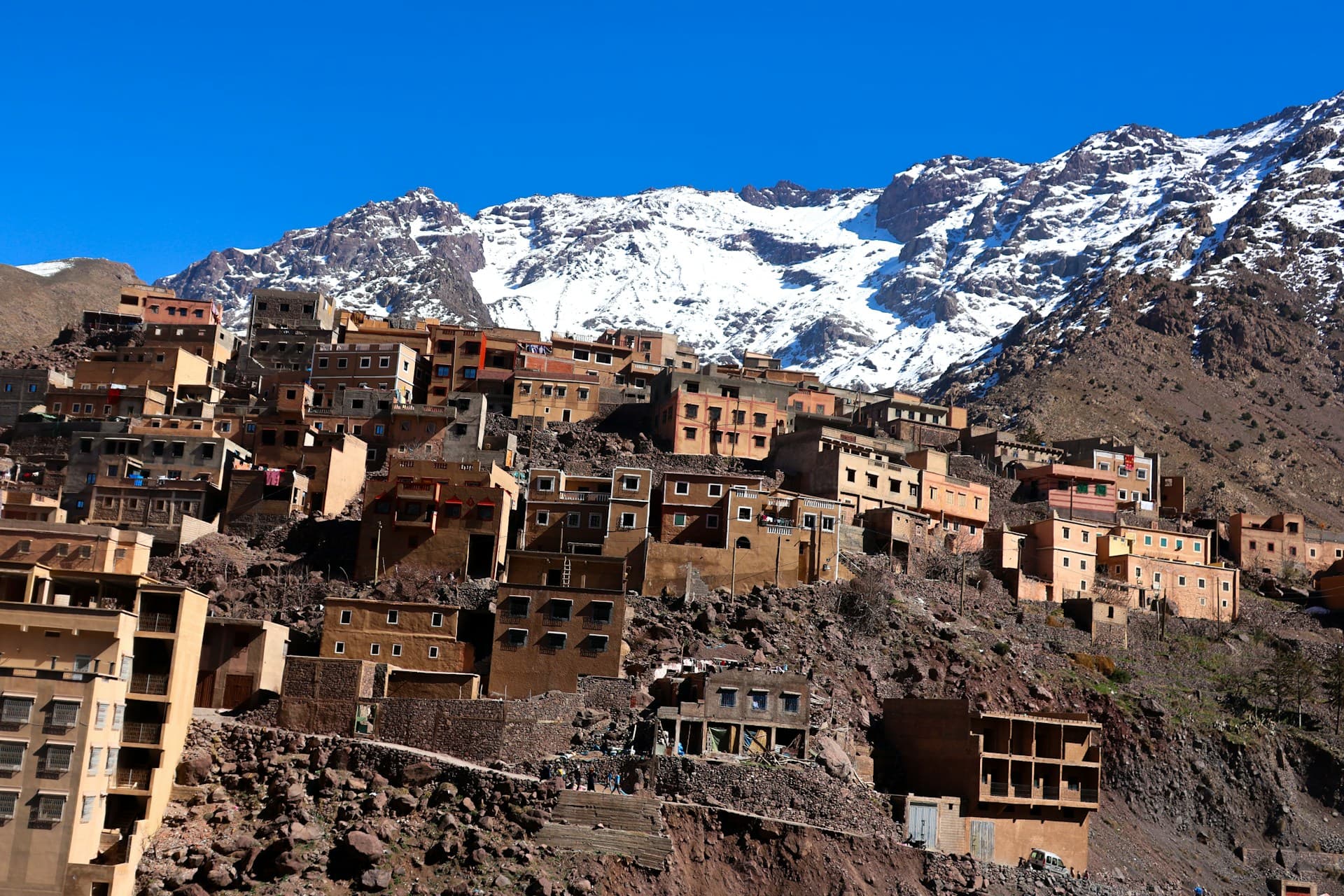
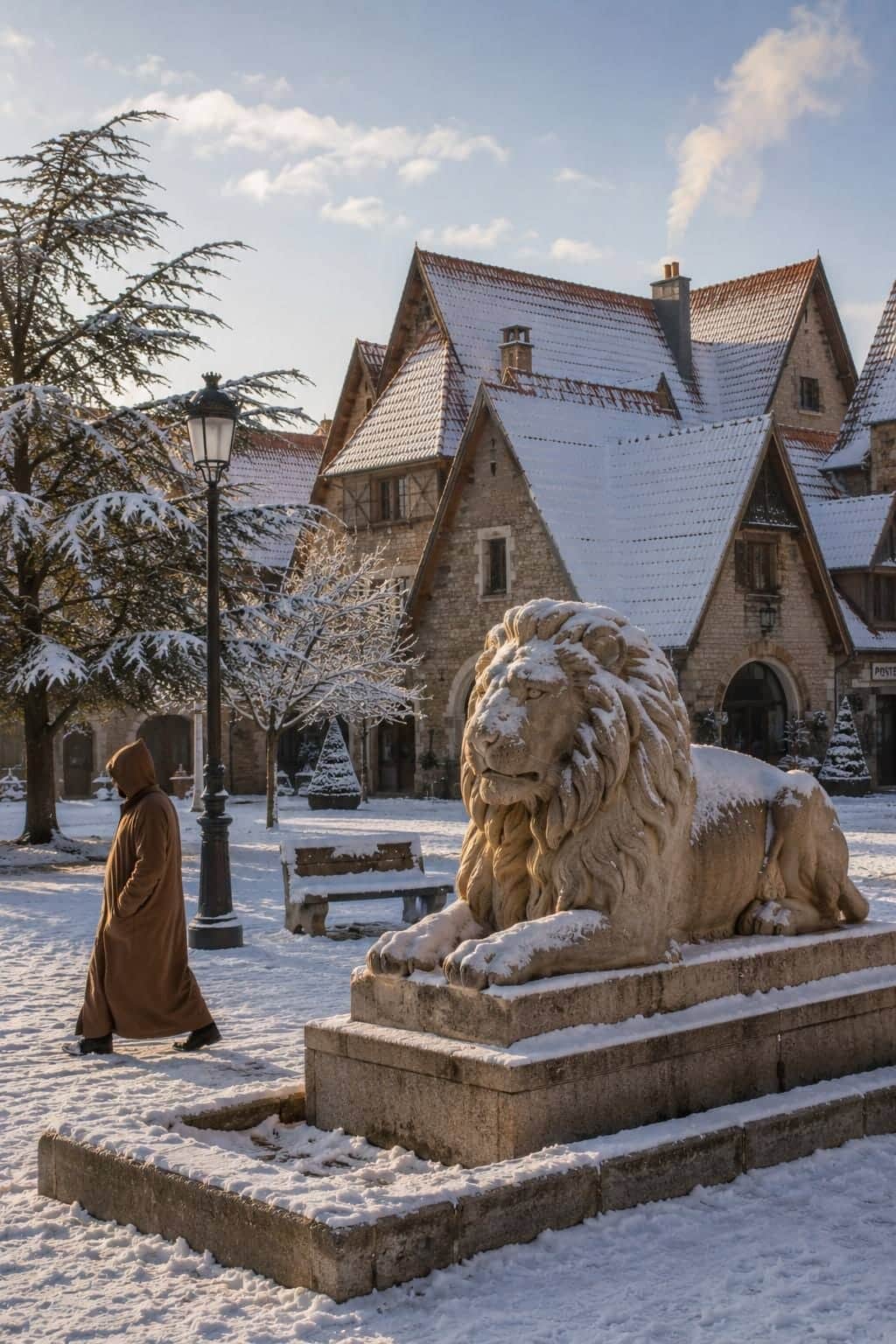
Hay un tramo de la carretera N8 al sur de Fez donde el aire se enrarece, los olivares desaparecen y los cedros cubren las laderas. La primera vez que la mayoría de nuestros huéspedes ven Ifrane, no creen que todavía estén en Marruecos. Casas de piedra y tejas con tejados a dos aguas pronunciados. Un pequeño parque arbolado. Un lago. Nieve en los tejados durante un tercio del año. El centro de la ciudad se parece más a los Alpes franceses que a la medina que dejaron dos horas antes.
Cada año recibimos la misma pregunta de parejas que planifican su primer viaje a Marruecos: ¿vale la pena visitar Ifrane, o es una trampa para turistas? La respuesta honesta, después de una década de organizar viajes por aquí, es la versión de "sí" que tiene condiciones. Esta guía es esas condiciones.
¿Qué es Ifrane, exactamente?
Ifrane (a veces escrita "Ifran"; ⵉⴼⵔⴰⵏ en tifinagh, إفران en árabe — que significa "cuevas" en tamazight) es una ciudad de unos 15.200 habitantes en el Atlas Medio de Marruecos, situada a 1.665 m de altitud en una cuenca boscosa. Fue fundada en 1929 como estación de montaña por el Protectorado francés —un escape del calor veraniego de las tierras bajas— y su aspecto de pueblo alpino proviene de esa historia: tejados de terracota a dos aguas para la nieve, muros de piedra labrada, buhardillas a dos aguas, un plano urbano cuadrado alrededor de un parque central.
La ciudad es la capital de la provincia de Ifrane (población de unos 155.000 habitantes) y sede de la Universidad Al Akhawayn, la única universidad de artes liberales de estilo americano en Marruecos. Se encuentra en el borde occidental del Parque Nacional de Ifrane —51.000 hectáreas de bosque de cedros establecido en 2004, el ecosistema de alta montaña protegido más grande del país. El bosque alberga la mayor población silvestre restante del cedro del Atlas (Cedrus atlantica) en peligro de extinción y la mayor población individual del macaco de Berbería (Macaca sylvanus) del mundo— una especie de mono sin cola clasificada como En Peligro por la UICN, con quizás entre 6.000 y 10.000 individuos restantes en todo el norte de África.
“La mayoría de los viajeros vienen por la nieve y la escultura del león. Lo que recuerdan son los cedros —un único árbol de 800 años llamado Cèdre Gouraud—, los macacos y el silencio al amanecer. El pueblo es la introducción; el bosque es el viaje.”
— Youssef El Alaoui, Especialista Principal en Marruecos
¿Vale la pena visitar Ifrane?
Respuesta corta: sí, pero condicionalmente. Ifrane recompensa al viajero que la trata como una inmersión de 1 a 2 días en el Marruecos del Atlas Medio. Castiga al viajero que la trata como una parada rápida para fotos en el camino entre Fez y el Sahara.
La estructura condicional merece ser explícita, porque es donde casi todas las guías existentes en inglés se quedan cortas.
Ifrane vale la pena visitarla si:
- Pasas al menos 7 noches en Marruecos y tu itinerario ya cubre Marrakech, Fez y el Sahara — Ifrane es la "quinta ciudad" natural que añade altitud y variedad forestal.
- Viajas entre noviembre y marzo — la ventana de nieve, cuando la ciudad luce como la venden los folletos.
- Estás dispuesto a quedarte una o dos noches, no solo a parar una hora.
- Te interesa la naturaleza (cedros, macacos) o quieres un ángulo climático poco convencional en tu viaje a Marruecos.
- Tienes un coche o conductor — Ifrane funciona como un centro, no como un destino por sí mismo.
Ifrane NO vale la pena visitarla si:
- Estás en un viaje de 4 o 5 días por Marruecos — hay lugares de mayor prioridad (Chefchaouen, Essaouira, Aït Ben Haddou) que deberían superarla en un itinerario corto.
- Visitas entre junio y septiembre — la nieve se ha ido, los macacos están más adentro del bosque y la atmósfera alpina se convierte en una ciudad de altitud media, calurosa y polvorienta.
- Crees que una parada de autobús de 2 horas es suficiente — a ese ritmo, Ifrane es solo un decorado estilo Disney y te sentirás engañado.
Esta es la pregunta que casi ninguna otra guía responde claramente, y es la pregunta que recibimos por WhatsApp cada semana.
¿Cuántos días en Ifrane?
El mínimo honesto son dos noches, tres días. Esto es lo que cada duración realmente te ofrece:
| Duración | Lo que obtienes | Recomendado para |
|---|---|---|
| Parada de medio día | La escultura del león, almuerzo, el parque de la ciudad, un rápido recorrido en coche por los cedros. | Tours en autobús de grupo. No para nuestros huéspedes. |
| 1 noche | Lo anterior más un paseo al amanecer por los cedros y un almuerzo bereber en Azrou. | Viajeros en un viaje de 7 días por Marruecos. |
| 2 noches ★ | La imagen completa: ciudad de Ifrane, zoco de Azrou, Cèdre Gouraud, macacos, además de medio día en el lago del cráter Aguelmane Sidi Ali. | Nuestro huésped típico. |
| 3+ noches | Añade la estación de esquí de Mischliffen (solo de diciembre a febrero), una caminata guiada por la parte alta del parque y tiempo para un almuerzo separado en Azrou. | Senderistas, visitantes de nieve, fotógrafos. |
La opción de dos noches es la que recomendamos nueve de cada diez veces. Te da un verdadero amanecer en el bosque —el único momento del día en que los macacos salen del dosel— y margen suficiente para un almuerzo tranquilo en Azrou con la cooperativa de artesanos antes de conducir hacia el sur, al Sahara.
¿Cuándo nieva en Ifrane y cómo es realmente el clima?
El primer dato que la mayoría de los viajeros pasa por alto: Ifrane tiene cuatro estaciones reales, lo cual es raro en Marruecos. La ciudad se encuentra lo suficientemente alta en la meseta del Atlas Medio (1.665 m) como para que el clima sea continental, no mediterráneo.
| Estación | Meses | Máxima diurna | Mínima nocturna | Lo que verás |
|---|---|---|---|---|
| Invierno ★ | Dic – Feb | 7–11 °C | -3 a 0 °C | Nieve en el suelo por tramos; estación de esquí abierta de enero a febrero; el aspecto de postal. |
| Primavera | Mar – May | 14–22 °C | 4–10 °C | Flores silvestres, arroyos de nieve derretida, caminatas suaves por el bosque. |
| Verano | Jun – Ago | 25–30 °C | 10–14 °C | Fresco en relación con las tierras bajas de Marruecos; los locales de Fez y Meknes veranean aquí. |
| Otoño | Sep – Nov | 18–24 °C | 6–12 °C | Cedros en su color más rico; poca gente. |
Para 2026, ya ha nevado en noviembre en siete de los últimos diez años. La ventana de dos semanas más fiable para nieve garantizada en el suelo es del 15 de enero al 5 de febrero. La estación de esquí de Mischliffen (a 5 km de la ciudad, dos telesquís, pistas de 400 m a 1.600 m) suele abrir entre el 20 de diciembre y el 10 de enero y permanece abierta hasta finales de febrero, dependiendo de las nevadas.
Qué hacer en Ifrane — las cuatro cosas que valen tu tiempo
Después de diez años de llevar a nuestros huéspedes por aquí, la lista corta de lo que resiste una segunda mirada:
1. El Bosque de Cedros al amanecer (Cèdre Gouraud)
A 20 minutos en coche al sur de Ifrane, saliendo de la carretera hacia Azrou. El árbol principal —Cèdre Gouraud, nombrado en honor al general francés— tiene unos 800 años, 41 metros de altura y está a 5 minutos a pie del aparcamiento. Los macacos salen del dosel aproximadamente de 7:00 a.m. a 9:30 a.m. en invierno; el resto del día se retiran. La UICN clasifica la especie como En Peligro, con quizás entre 6.000 y 10.000 individuos restantes en estado salvaje —el bloque de cedros de Ifrane/Azrou alberga aproximadamente la mitad de esa población.
2. El centro de la ciudad y el león de piedra
Un paseo de 30 minutos por el parque central, la Place Berghouata, las casas de piedra labrada y el León de Piedra de Ifrane —esculpido por un prisionero de guerra alemán en 1944, mitificado como el último memorial del león del Atlas (extinto en estado salvaje desde la década de 1940). Mejor a la hora dorada, cuando la arenisca erosionada capta la cálida luz lateral. Nota: la escultura real está muy erosionada, abstracta por 80 años de intemperie, y se encuentra detrás de una valla de hierro forjado verde kelly —así que gestiona tus expectativas fotográficas.
3. Aguelmane Sidi Ali
Un lago de cráter volcánico a 2.080 m, a 40 minutos al este de Ifrane. Orilla volcánica negra, un santuario bereber en la orilla lejana, a menudo una pequeña manada de mulas bebiendo en el borde. Una excursión de medio día. La mayoría de los viajeros extranjeros nunca ven este lago.
4. Zoco de Azrou (martes)
Azrou es la ciudad mercado regional a 17 km al sur. El zoco de los martes es uno de los mercados semanales bereberes más grandes del Atlas Medio — talla de cedro, lana, cobre, hierbas frescas de los altos prados. Combínalo con un almuerzo en la Coopérative Artisanale d'Azrou para una comida auténtica y de origen conocido en el patio de un taller.
¿Es Ifrane la ciudad más limpia del mundo?
Verás esta afirmación reciclada en blogs de viajes y TikToks — "Ifrane ha sido llamada la ciudad más limpia del mundo." La respuesta honesta es: parcialmente cierto, mayormente viral.
Ifrane se ha clasificado constantemente entre las ciudades más limpias de Marruecos — y en 2013 apareció en una infografía regional de Mercer Quality of Living que algunos medios compartieron como "la más limpia del mundo." No hay una clasificación de IQAir, OMS o revisada por pares que la sitúe en el puesto #1 a nivel mundial. Pero lo que sí es cierto:
- El municipio de la ciudad aplica estrictas normas de basura y señalización que se perciben al caminar por ella.
- La posición de alta altitud mantiene el aire notablemente más limpio que en Casablanca o Fez.
- La universidad (Al Akhawayn) tiene un programa de sostenibilidad deliberado que se filtra en la estética de la ciudad.
Así que el encuadre más preciso: Ifrane es la ciudad de tamaño medio más limpia de Marruecos, no del mundo. De cualquier manera, la inusual limpieza es una de las razones genuinas por las que los viajeros encuentran el lugar sorprendente.
Cómo llegar a Ifrane
| Desde | Distancia | Tiempo de viaje | Práctico |
|---|---|---|---|
| Fez | 64 km | 1 h 15 | La ruta estándar. N8 y luego N13 asfaltadas. |
| Meknes | 70 km | 1 h 20 | Mismo corredor N13, ligeramente más largo. |
| Casablanca | 320 km | 4 h 0 | Autopista A2 vía Fez. Posible excursión de un día, pero ajustada. |
| Marrakech | 470 km | 7 h 0 | Vía Beni Mellal. Mejor como conexión de 2 días con pernoctación en Beni Mellal o Jenifra. |
No hay estación de tren en Ifrane. La terminal ferroviaria ONCF más cercana es Fez — puedes tomar el tren de alta velocidad Al-Boraq Casablanca → Fez en 1 h 50 min, y luego un traslado privado hasta Ifrane. Combinamos esta opción para los huéspedes que llegan directamente del aeropuerto de Casablanca.
Los autobuses (CTM y Supratours) operan Fez → Ifrane varias veces al día por unos 35 MAD. Funcionan, pero te someten a un horario para el que Ifrane no fue diseñada — el autobús te deja en el parque central, e inmediatamente descubres que las cuatro cosas interesantes que hacer están distribuidas en un arco de 50 kilómetros que ningún autobús cubre.
Combina Ifrane con — sus vecinos naturales
Ifrane por sí sola es un viaje escaso. La razón por la que funciona es que se encuentra en el centro geográfico de tres de los sitios patrimoniales menos visitados de Marruecos — y combinarlos te permite cubrir cuatro "ciudades" en tres días sin repetir.
- Volubilis — ruinas romanas de la UNESCO en un campo de trigo. A 1 h 30 min al oeste de Ifrane. El arco triunfal de Caracalla a la hora dorada está en la lista de todo fotógrafo una vez que sabe que existe.
- Moulay Idriss Zerhoun — la ciudad sagrada con el santuario de techo verde. A 5 km de Volubilis. Un paseo de 45 minutos de uno a otro.
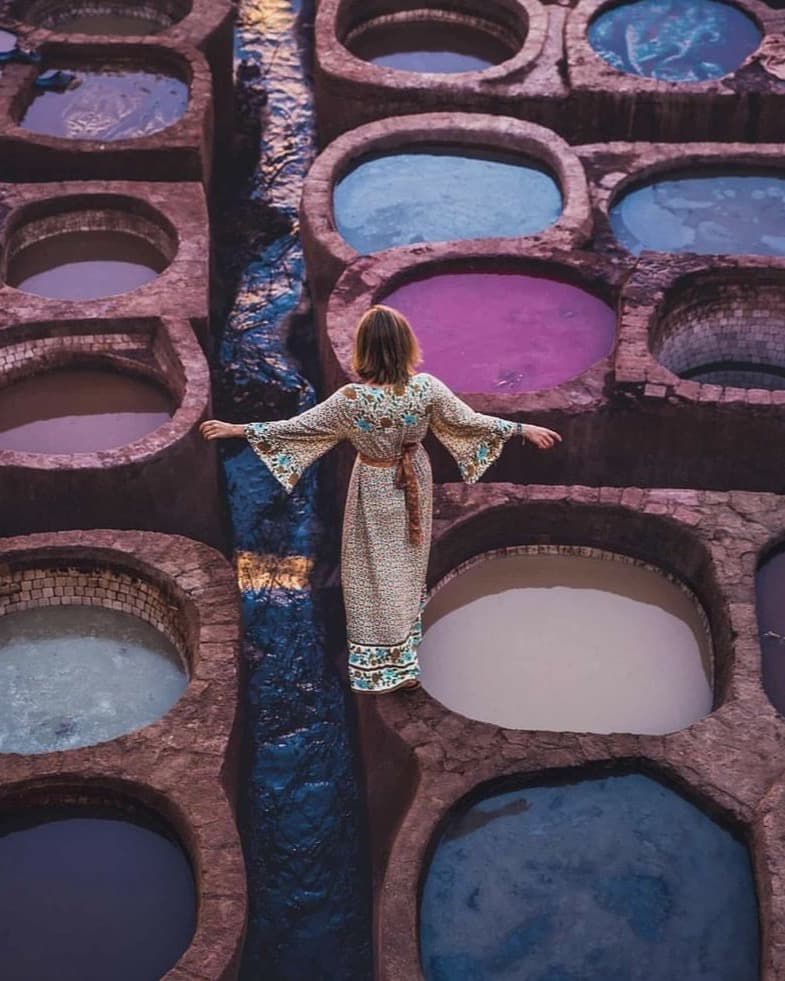
- [Fez el Bali](/destinations/fes) — la medina medieval sin coches más grande del mundo, a 1 h 15 min al este. El contraste entre la tranquilidad alpina de Ifrane y las curtidurías de Fez en el mismo viaje es una de las yuxtaposiciones subestimadas de Marruecos.
Esta combinación — Fez + Volubilis + Moulay Idriss + Ifrane — es el circuito del Norte Imperial y encaja naturalmente en nuestro Tour de 3 Días por Fez y el Desierto como tramo inicial.
Dónde alojarse en Ifrane
La ciudad cuenta con unos 40 hoteles y casas de huéspedes, desde el histórico buque insignia hasta pequeños riads familiares. La lista corta que reservamos repetidamente:
- Hôtel Michlifen Ifrane Suites & Spa — cinco estrellas, edificio colonial de 1949, restaurado en 2014. Ideal para parejas y viajes especiales. Alrededor de 350 €/noche en invierno, se reserva con más de 60 días de antelación para Navidad y Año Nuevo.
- Hôtel Chamonix — tres estrellas, ubicación céntrica, chimeneas en invierno. Alrededor de 70 €/noche. Donde alojamos a los huéspedes que buscan comodidad sin derrochar.
- Riad Ifrane — pequeño (8 habitaciones), familiar, estética alpina-bereber. Alrededor de 90 €/noche. Lo más cercano a lo auténtico.
- Al Akhawayn Residence (solo para académicos visitantes) — alojamiento en el campus si tu viaje tiene una motivación académica.
Para viajes de invierno, reservamos el alojamiento con un mínimo de 45 días de antelación. Del 20 de diciembre al 5 de enero es la ventana local de Navidad y Año Nuevo para las familias marroquíes — la ciudad se llena.
Cómo integramos Ifrane en un tour privado por Marruecos
Rara vez enviamos a los huéspedes a Ifrane como destino independiente. El patrón que funciona:
- Día 1 (Fez) → medina + curtidurías.
- Día 2 (Excursión de un día desde Fez) → Volubilis + Moulay Idriss, pernoctación de vuelta en Fez.
- Día 3 (Fez → Ifrane) → salida a media mañana, llegada para el almuerzo. Tarde: lago del cráter Aguelmane Sidi Ali. Pernoctación en Ifrane.
- Día 4 (Ifrane) → paseo por el bosque de cedros antes del amanecer, macacos al amanecer, almuerzo en Azrou en la cooperativa de artesanos.
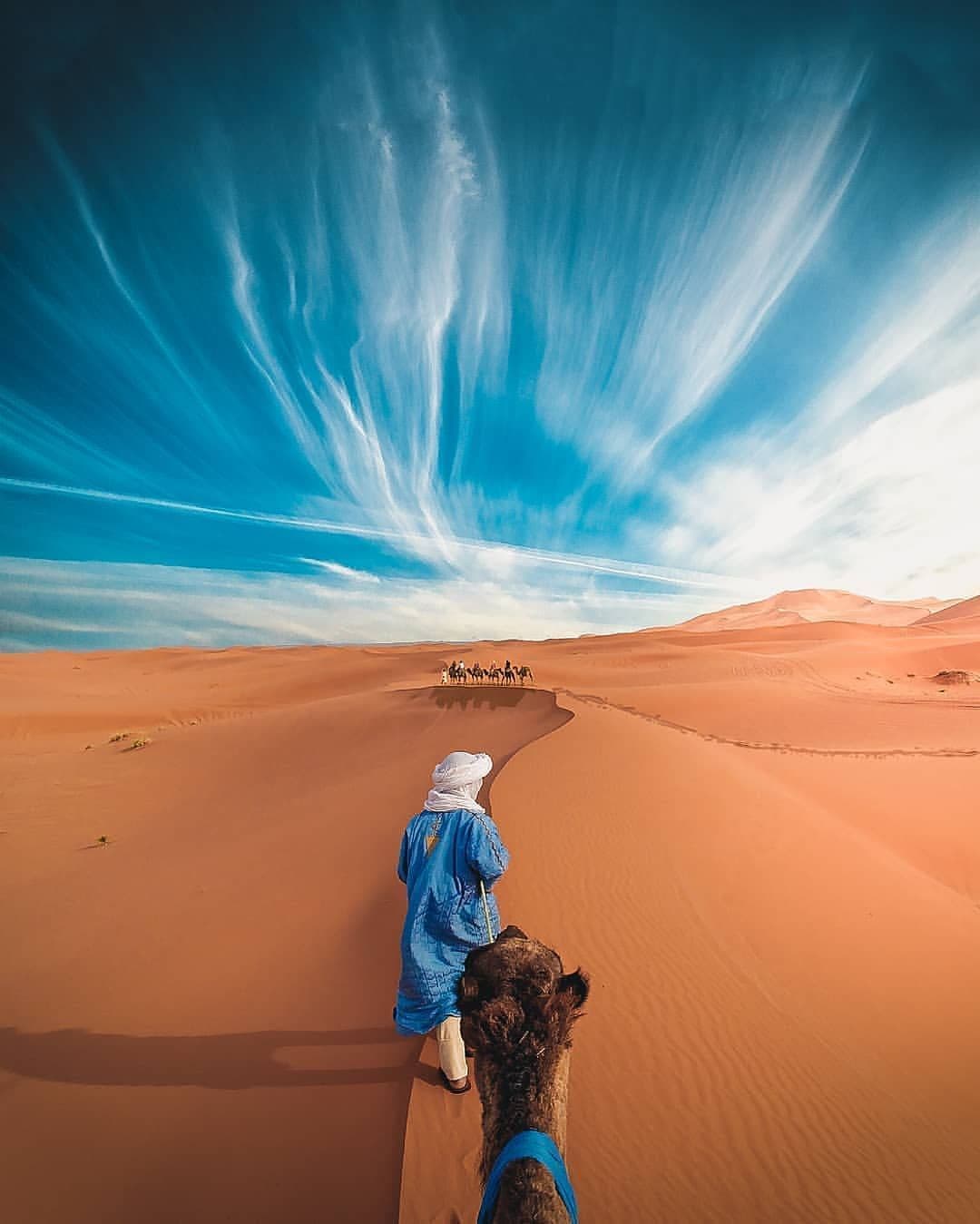
- Día 5 (Ifrane → Sahara) → viaje hacia el sur a través de Midelt y Errachidia hasta las dunas de Merzouga (8 horas con dos paradas).
Este es el inicio canónico de nuestro Gran Tour de 10 días cuando los huéspedes llegan al aeropuerto de Fez-Saiss en lugar de Casablanca o Marrakech. También se adapta limpiamente a una versión de 7 días omitiendo el segundo día en Fez. Nuestro planificador de viajes explora las opciones para los viajeros que desean diseñar esto según sus propias fechas.
Escrito por
Youssef El Alaoui
Lead Morocco Specialist
Born in Fes, based in Marrakech. Designs private itineraries for Morocco Beauty Spots and still argues mint tea is best in the Atlas.