The Sacred Music Road is a 10-day journey along the spine of Morocco's devotional music, from the Sufi brotherhoods of Fes to the great Gnaoua festival on the Atlantic at Essaouira. It is built for the traveller who understands that this music is not a show — it is worship, trance, lineage, and memory — and who wants to hear it where it lives, with someone who can name what's happening and why it matters.
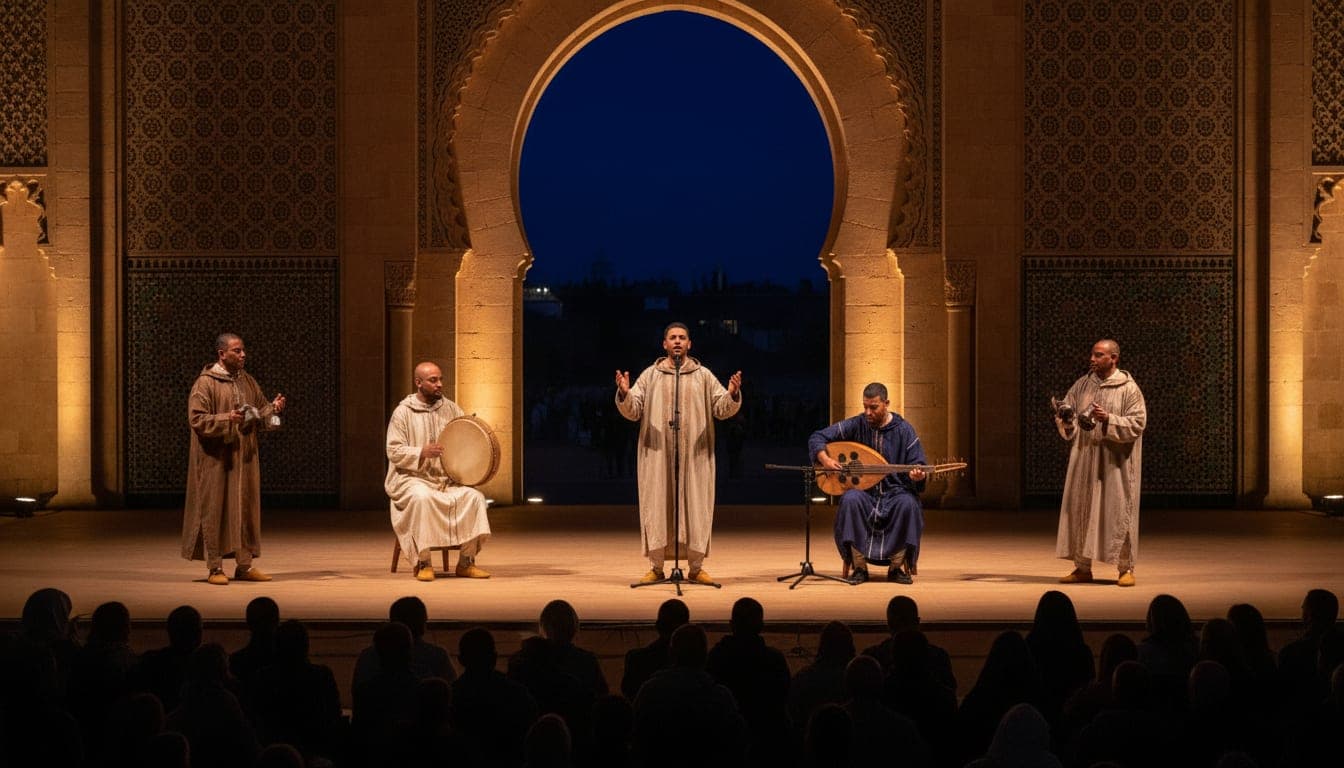
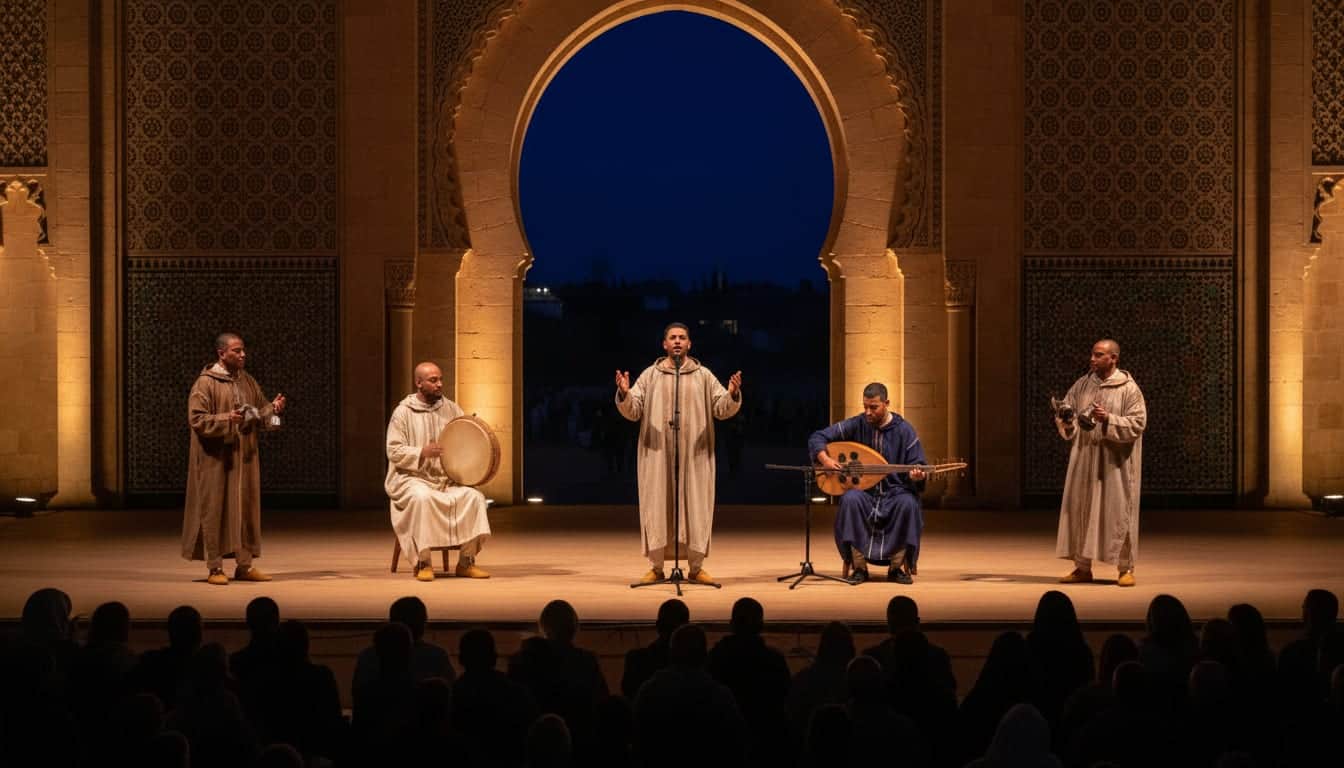
We begin in Fes, the spiritual capital, with the Sufi sacred-music tradition: private sessions with the Aïssawa and Hamadcha brotherhoods, whose hadra (the rhythmic, repetitive devotional ceremony) carries participants toward trance. Fes is also the home of the Festival of World Sacred Music, founded in 1994; its 2026 dates (the 29th edition) had not been officially confirmed at the time of writing, so we don't build the tour around them — but when they're announced and they suit your travel, we'll work the festival in. The music here does not depend on a festival; the brotherhoods are the festival's source.
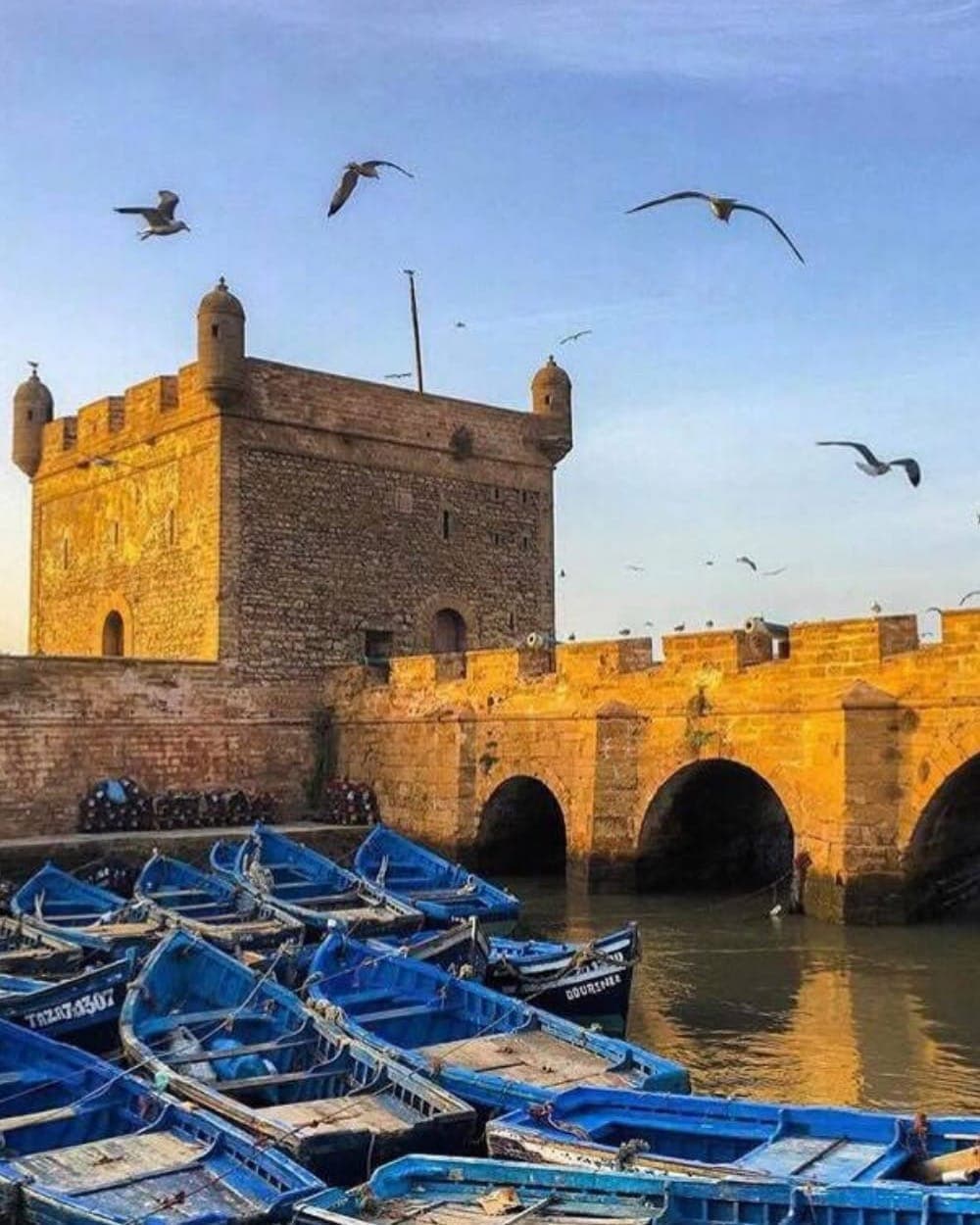
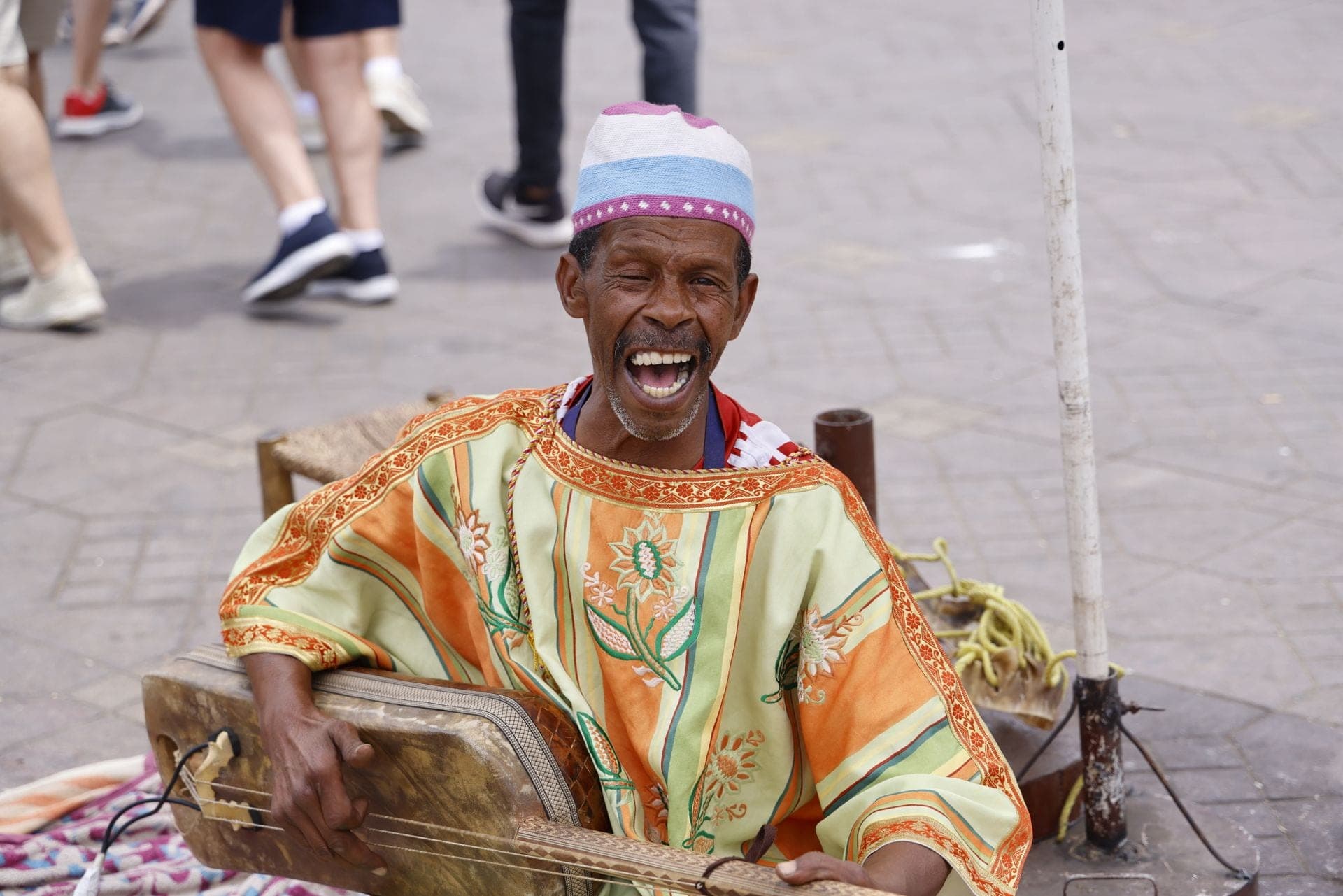
The journey then crosses the country — Meknes and the Roman ruins of Volubilis, the road south, Marrakech and the Gnawa musicians who hold down a corner of the Jemaa el-Fna — and arrives at the coast for the finale. Essaouira is the home of Gnawa music: a trance tradition descended from the West Africans brought to Morocco across the Sahara centuries ago, built on the guembri (a three-string skin-covered bass lute) and the qraqab (iron castanets), and carried through all-night ceremonies called lila that invoke seven spirits, each with its colour and its incense. Gnawa was inscribed on UNESCO's list of the Intangible Cultural Heritage of Humanity in 2019, and Essaouira's fortified medina is a UNESCO World Heritage site in its own right.
Our timing is built around the one date that is fixed: the Essaouira Gnaoua & World Music Festival, 25–27 June 2026 — its 27th edition, sometimes called 'Africa's Woodstock', bringing more than 400 artists and 42 maâlems to a town of free main-stage concerts and intimate zaouia rituals. We are there for all three days, with reserved access where it helps and the freedom to wander where it doesn't. A musicologist guides the whole route, and two private sessions — a Sufi brotherhood hadra in Fes and a Gnaoua maâlem's lila in Essaouira — mean the music reaches you whether or not a festival is in season.
A word on respect, because it's the whole point. The lila is a sacred ritual, not a spectacle; we don't film during the ceremony, we follow our maâlem's lead on what is open to guests and what is not, and we credit the musicians by name. This is the most premium tour we run — ten days, festival access, private performances, a specialist guide, boutique riads through a festival-week surge — and it is priced accordingly. It is also, if sacred music moves you, unlike anything else in Morocco.
- The Essaouira Gnaoua & World Music Festival as the finale — the 27th edition, 25–27 June 2026, with 400+ artists including 42 maâlems and free main-stage concerts at Place Moulay Hassan
- Gnawa music — inscribed on UNESCO's list of the Intangible Cultural Heritage of Humanity in 2019 — heard in its Atlantic home, where it began among West Africans brought across the Sahara
- Sufi sacred music in Fes: private sessions with the Aïssawa and Hamadcha brotherhoods, whose hadra is devotion, not performance
- A musicologist / cultural specialist guiding the whole route — naming the maâlems, explaining the lila trance ritual and the seven spirits, the guembri and the qraqab
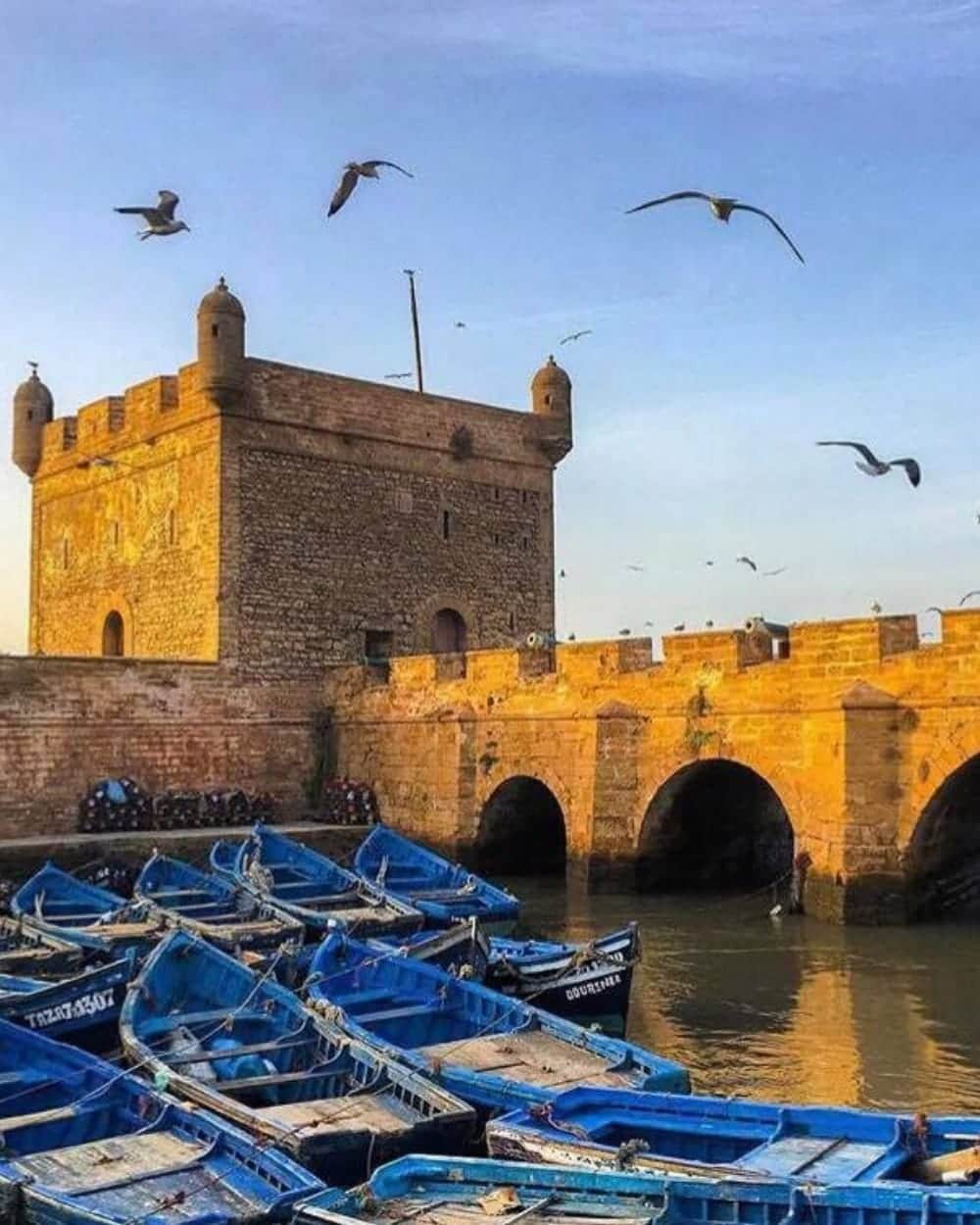
- Essaouira's UNESCO-listed medina (the 18th-century fortified town of Mogador) and its Gnawa zaouias
- A respectful, sacred-not-spectacle approach: no filming during the lila ritual, fair credit to the musicians, the music treated as the worship it is
- Imperial-city and Atlantic-coast depth along the way — Fes, Meknes, Volubilis, Marrakech's Gnawa roots, and the road down to the sea
Dia a dia
- Dia 1
Fes — arrival in the spiritual capital
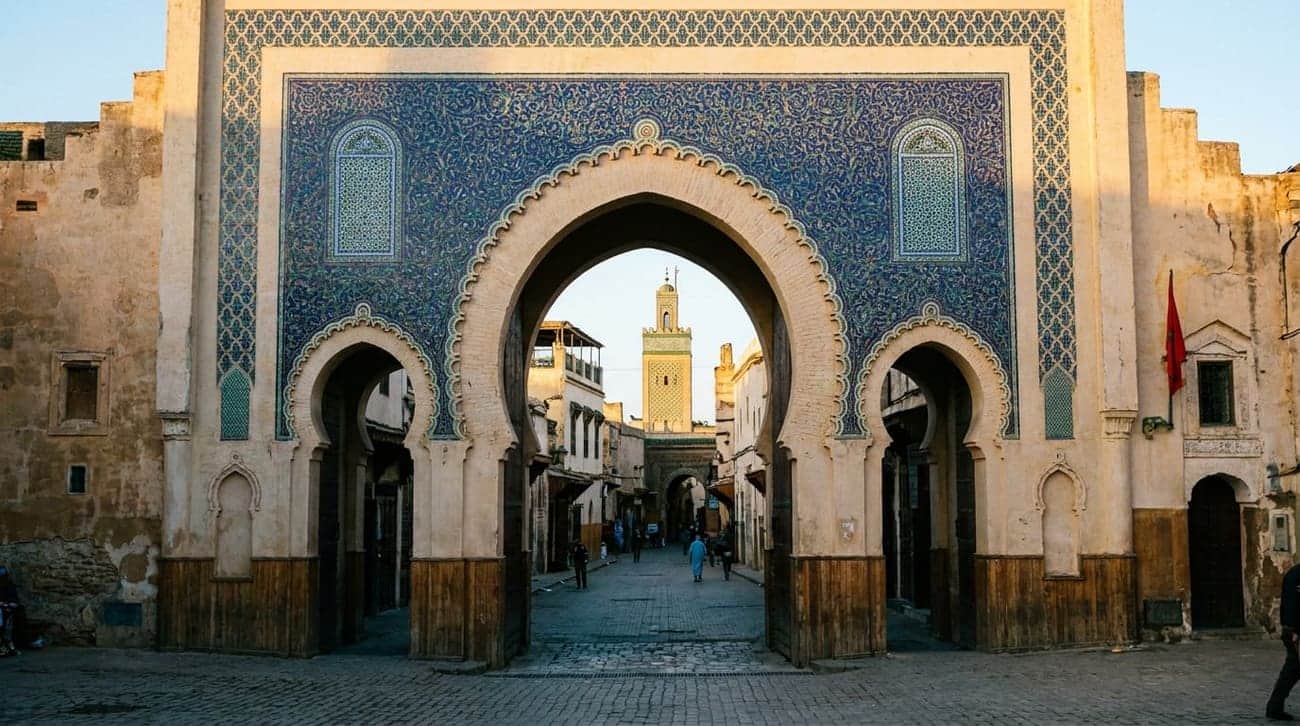
Arrive in Fes, Morocco's spiritual and intellectual heart. Settle into a medina riad. An orientation walk into the world's largest car-free urban area, and an evening briefing from your musicologist guide on the road ahead: Sufi versus Gnaoua, the brotherhoods, the instruments, and how to be a respectful guest at a sacred ceremony.
Noite no destino
- Dia 2
Fes — Sufi brotherhoods + private hadra
A day inside the Sufi sacred-music tradition: the Qarawiyyin, the zaouias of the brotherhoods, and the history of the tariqa ('the way'). In the evening, a private session with an Aïssawa or Hamadcha ensemble — the rhythmic, building hadra that is devotion rather than entertainment. Your guide explains what's happening as it unfolds.
Noite no destino
- Dia 3
Fes → Meknes → Volubilis → Fes
A day trip to the imperial city of Meknes and the Roman ruins of Volubilis — deep history as a counterpoint to the music, and a reminder of how many layers Morocco holds. Back to Fes for the night, with time in the medina at your own pace.
Noite no destino
- Dia 4
Fes → Middle Atlas → Marrakech
The long, scenic drive south through the Middle Atlas cedar country and on toward Marrakech. We break the journey with stops and arrive in the Red City by evening. Overnight in a Marrakech riad.
Estrada · 7h
- Dia 5
Marrakech — the Gnawa of the Jemaa el-Fna
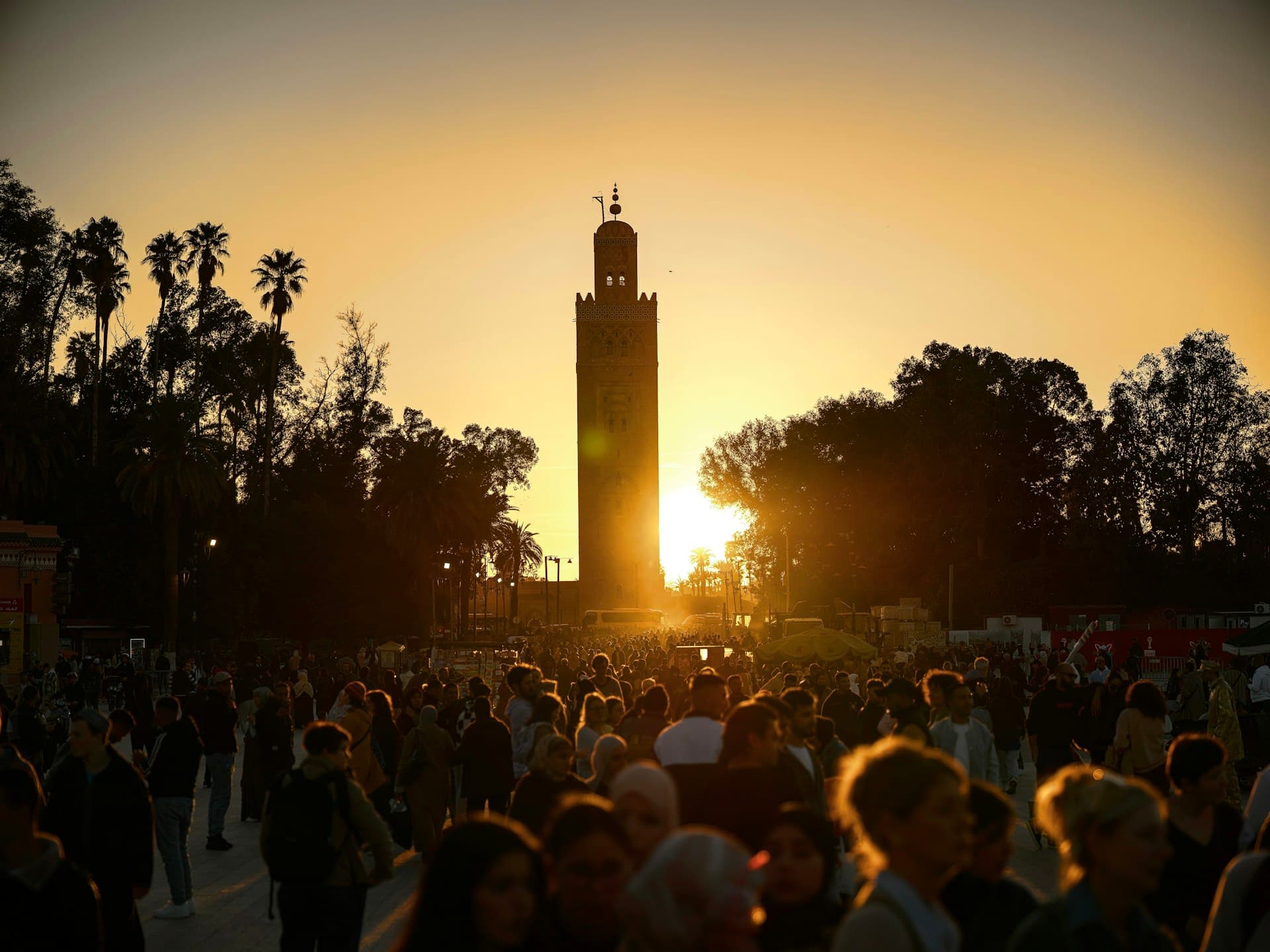
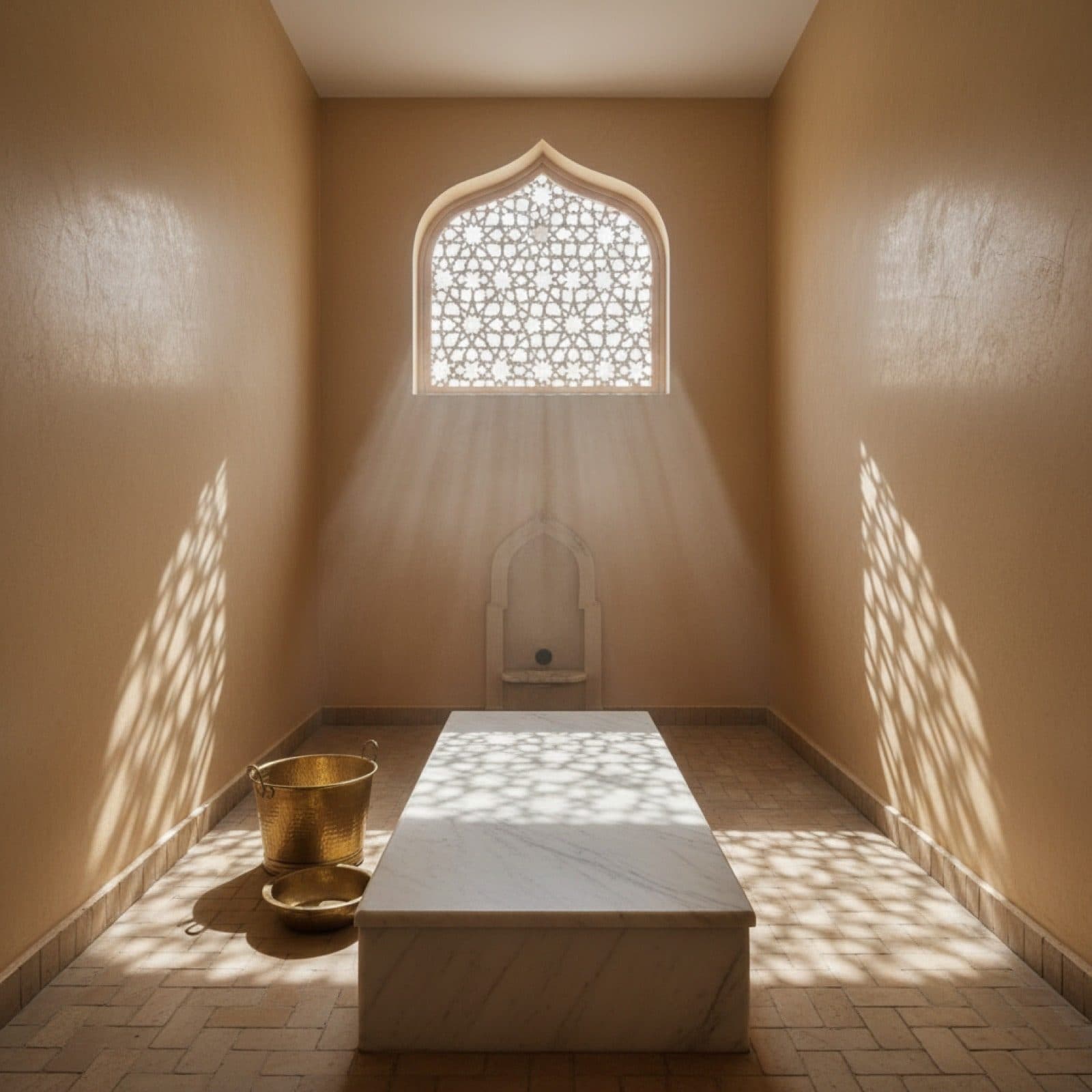
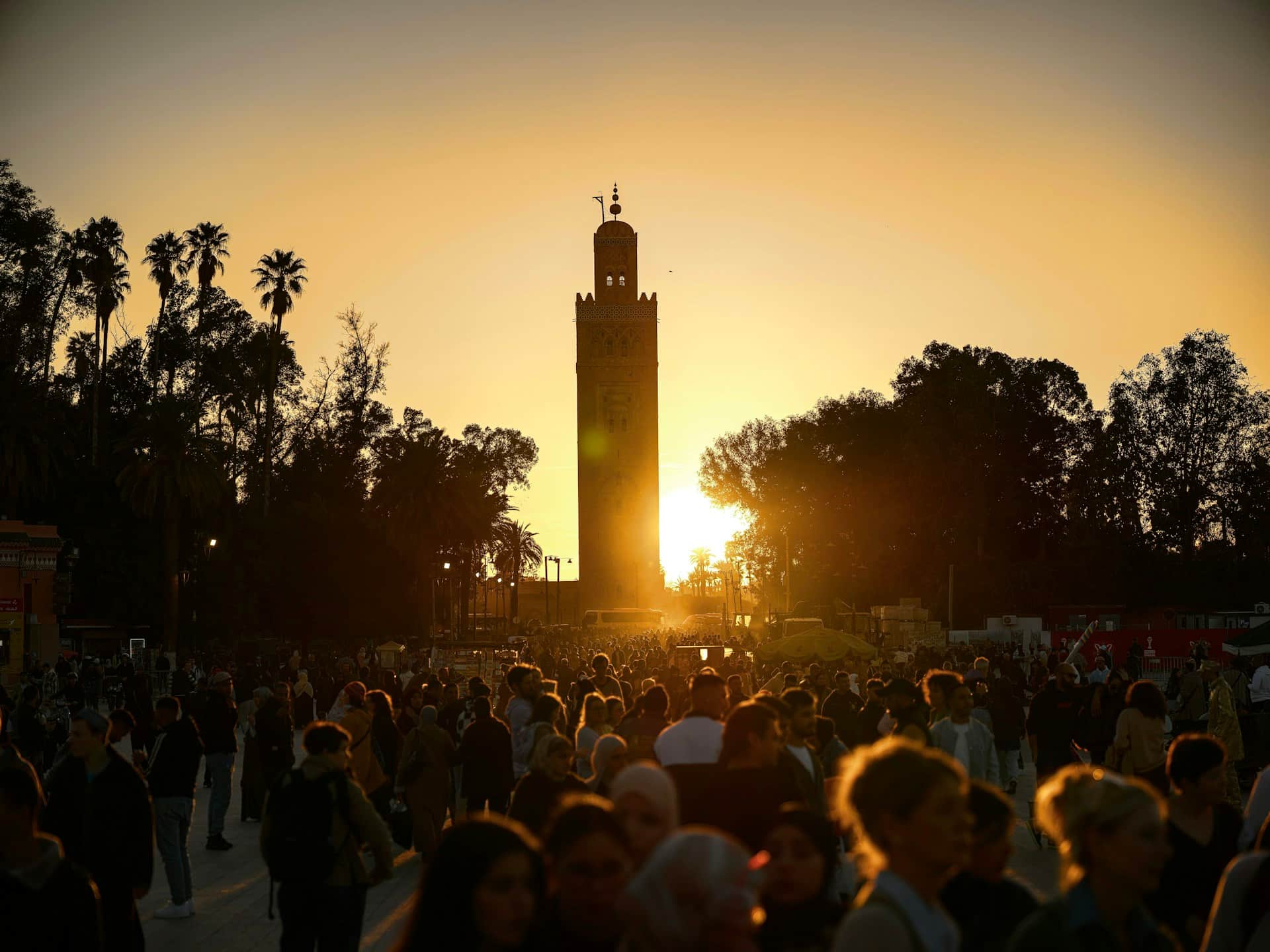
Marrakech has its own Gnawa lineage, and the musicians who hold a corner of the Jemaa el-Fna square at dusk are part of it. A day in the medina — the souks, a hammam, the gardens — and an evening among the square's musicians with your guide to separate the real from the tourist act.
Noite no destino
- Dia 6
Marrakech → Essaouira
West to the Atlantic — about 2.5 to 3 hours through the argan country to Essaouira, the windswept, blue-and-white fortified town that is the home of Gnawa music. Settle into a riad inside the UNESCO-listed medina. First evening by the ramparts, the Atlantic light, the calm before the festival.
Estrada · 3h
- Dia 7
Essaouira — the medina + a private maâlem lila
A day in Essaouira's medina (the 18th-century town of Mogador, UNESCO World Heritage) and its Gnawa zaouias — the spiritual infrastructure behind the festival. In the evening, a private session with a Gnawa maâlem: the guembri, the qraqab, and a taste of the lila ceremony, shared with respect and on the maâlem's terms.
Noite no destino
- Dia 8
Essaouira Gnaoua Festival — day one
The festival opens. Free main-stage concerts at Place Moulay Hassan, the fusion collaborations Gnaoua is famous for, and the option of ticketed intimate zaouia concerts in the evening. Your guide helps you read the programme and find the maâlems worth your night. (Festival dates: 25–27 June 2026.)
Noite no destino
- Dia 9
Essaouira Gnaoua Festival — day two
A second festival day — by now you know the rhythm of it. More main-stage and intimate concerts, time on the beach and in the medina between sets, and the long, communal evenings the festival is loved for. 'Africa's Woodstock' at full tilt.
Noite no destino
- Dia 10
Essaouira Gnaoua Festival — day three / departure
The festival's final day, and your departure on a flexible window — onward to Marrakech (2.5–3 hours) for international flights, or a slower morning by the sea before you go. Final reflections with your guide on what you've heard.
Fim da viagem
O que está incluído
- Private vehicle + driver for all 10 days (Fes → Meknes/Volubilis → Marrakech → Essaouira)
- A musicologist / cultural specialist guide accompanying the full route
- Nine nights in boutique riads (Fes medina, Marrakech, Essaouira — through the festival-week surge)
- Two private sacred-music sessions: a Sufi brotherhood hadra in Fes and a Gnaoua maâlem's lila in Essaouira
- Essaouira Gnaoua Festival access (free main-stage concerts; reserved/ticketed intimate concerts where helpful)
- Daily breakfast and most dinners
- All site entries (Volubilis, Essaouira medina, zaouias where open to guests)
Não incluído
- International flights to/from Morocco
- Lunches (kept flexible)
- Fes Festival of World Sacred Music tickets (offered as an add-on if its 2026 dates align with your travel)
- Travel insurance (recommended)
- Single-supplement on festival-week Essaouira riads (book early — the town fills)
- Gnaoua Festival 2026
- 27th edition, 25–27 June, Essaouira (free main stage at Place Moulay Hassan)
- Gnawa heritage
- UNESCO Intangible Cultural Heritage of Humanity (inscribed 2019)
- Essaouira medina
- UNESCO World Heritage (2001); the 18th-century fortified town of Mogador
- The instruments
- Guembri (3-string bass lute) + qraqab (iron castanets); all-night lila trance ceremony
“Most music tours sell you a folklore evening with dinner. This isn't that. The Sufi hadra in Fes and the Gnaoua lila in Essaouira are religious — trance, lineage, devotion — and our whole job is to get you inside them respectfully and tell you what you're hearing. We don't film the rituals, we name the maâlems, and we time the trip around the one date that's certain: the Gnaoua festival in late June. The music does the rest.”
O que dizem os viajantes

Sophie & Marc
Paris, France
“The best trip of our lives. Our guide knew every village, every viewpoint, every hidden riad. Seven days in Morocco felt like a month somewhere else.”

James H.
London, UK
“Everything was seamless from landing in Fes to the Sahara camp and back to Marrakech. The night under the stars is something I'll never forget.”

Ana Rodrigues
Lisbon, Portugal
“Organized, warm, professional. They built the itinerary around what we loved and gave us complete freedom to stop anywhere along the way.”
Leia isso primeiro se ainda está pesquisando
Off-beatFes Sacred Music & Essaouira Gnaoua: Morocco's Festival Guide (2026)
Morocco's two great sacred-music festivals — the Fes Festival of World Sacred Music and the Essaouira Gnaoua & World Music Festival — are three weeks and a country apart. Here's what each one is, the confirmed 2026 dates (and the ones still pending), the difference between Sufi and Gnaoua music, and how to attend the lila trance ritual respectfully.
DestinationsEssaouira: Vento, Ondas e Gnawa no Atlântico
O refúgio atlântico que os marroquinos guardam para si — sardinhas frescas grelhadas, muralhas ao pôr do sol e o melhor kitesurf da África.
Sufi & Gnaoua: The Sacred Music Road - perguntado frequentemente
- When is the Gnaoua Festival in Essaouira in 2026?
- The 27th edition of the Gnaoua & World Music Festival runs 25–27 June 2026 in Essaouira. The main-stage concerts at Place Moulay Hassan are free to the public; there are also ticketed intimate concerts in the zaouias. It brings together more than 400 artists, including 42 maâlems (Gnawa master musicians), and is often nicknamed 'Africa's Woodstock'.
- When is the Fes Festival of World Sacred Music in 2026?
- As of writing, the official 2026 dates had not been published — the festival's site confirmed only the 29th-edition theme. Recent editions have run between mid-May and June (the 28th edition, in 2025, ran 16–24 May). Because the dates weren't fixed, we don't build the core tour around them; we anchor on the confirmed late-June Gnaoua festival and offer the Fes festival as an add-on if its dates align with your travel. Always check fesfestival.com for the latest.
- Can I attend both the Fes and Essaouira festivals on one trip?
- Often not in a single trip — the two festivals don't reliably overlap (the Gnaoua festival is late June; the Fes festival has recently fallen in May or earlier June), and they can be weeks apart. Our tour guarantees the Gnaoua festival and delivers the Sufi tradition through private brotherhood sessions in Fes, so you get both musical worlds regardless of the Fes festival's calendar. If the Fes dates do align in 2026, we'll add it.
- What is the difference between Sufi music and Gnaoua music?
- Sufi sacred music (the Aïssawa, Hamadcha and other brotherhoods, strong in Fes) is Islamic devotional music — rhythmic, repetitive hadra ceremonies that carry participants toward spiritual states. Gnaoua music (rooted in Essaouira and Marrakech) descends from West Africans brought across the Sahara; it's built on the guembri lute and qraqab castanets and its all-night lila ceremonies invoke seven spirits. Both are sacred and trance-oriented, but their origins, instruments and rituals differ — and our guide makes the distinction clear.
- What is a lila ceremony?
- A lila is the all-night Gnaoua ritual at the heart of the tradition — a structured ceremony of music, colour and incense that invokes seven spirits (mlek), each with its own colour, scent and set of rhythms, intended to heal and to reach trance. It is sacred, not a performance. On our tour you experience it through a private maâlem session, shared respectfully and on the maâlem's terms; we don't film during the ritual itself.
- Is it respectful for tourists to attend these ceremonies?
- Yes, when it's done right — and 'right' is the whole point of our approach. We attend as invited guests, follow the maâlem's lead on what's open and what isn't, don't film during the sacred parts of the ritual, dress modestly, and credit the musicians by name. The festival concerts are public and welcoming; the private rituals are a privilege we treat as one. Handled this way, your presence supports the musicians rather than reducing their music to a spectacle.
- Why is this tour more expensive than your others?
- It's a 10-day private itinerary with a specialist musicologist guide for the full route, two private sacred-music performances (a lead maâlem and ensemble don't come cheap, and rightly so), festival access, and boutique riads booked through Essaouira's festival-week surge when the town sells out. The cost reflects real inclusions, not margin — it's the most premium tour we run because it genuinely costs the most to deliver well.
- What should I wear to the festivals and ceremonies?
- For the public festival concerts, normal comfortable clothes are fine. For the private brotherhood and maâlem sessions — which are religious settings — dress modestly: shoulders and knees covered for everyone, and a scarf is useful. Your guide will brief you before each session. Comfortable shoes for the medinas, and a layer for cool Atlantic evenings in Essaouira.