A clear, current guide to alcohol in Morocco: whether it's legal, where to buy it, the local wine and beer worth trying, and how the rules shift during Ramadan.
Yes — alcohol is legal in Morocco and openly sold to tourists. Morocco is a Muslim-majority country, so public drinking and visible intoxication are socially frowned upon and can draw police attention, but licensed shops, bars, hotels, and restaurants serve alcohol legally.
The distinction that matters is not legality but setting. Production, sale, and consumption of alcohol are permitted under a licensing system; what is regulated is where and how it happens. Licensed venues — hotels, designated restaurants, bars, and supermarkets with a permit — operate within the law. Drinking on a public street or in a park does not, and the legal drinking age is 18.
As an operator who has guided couples and first-timers across the country for years, we find this is one of the most common pre-trip worries, usually framed as either "is it even allowed?" or "will I offend anyone?" The honest answer is that you can absolutely enjoy a glass of local wine or a cold beer here — you simply do it with a little discretion, the same way you would read the room anywhere.
Is alcohol actually legal in Morocco?
Yes. Alcohol is legal for tourists and for the non-Muslim population, and it is produced domestically on a meaningful scale. What the law restricts is the manner of sale and consumption rather than the substance itself. Vendors need a licence; that is why you'll find alcohol in some shops and never in others. Selling alcohol to a Muslim Moroccan is technically restricted, which is why supermarket alcohol aisles are often tucked away and quiet — but as a foreign visitor, you are squarely within your rights to buy and drink it. The practical rules are simple: keep it to licensed venues, your hotel, or your accommodation; don't drink in the street; and don't drive after drinking, as Morocco enforces a zero-tolerance approach to drink-driving. None of this should make a couple's evening complicated — it just sets the etiquette.
Where can you buy alcohol in Morocco?
The reliable sources are the big licensed supermarket chains: Carrefour, Marjane, Acima, and Aswak Assalam. In most branches the alcohol lives in a discreet back section — sometimes behind a curtain or in a separate room — rather than on the main aisles. Prices are reasonable: local wine often runs 50–90 dirhams a bottle, beer considerably less. Beyond supermarkets, licensed bars, most international and four- to five-star hotels, and tourist-facing restaurants serve alcohol by the glass. One quirk to plan around: some Marjane and Carrefour branches halt alcohol sales on Fridays (the day of communal prayer) and during religious holidays, so if you want a bottle for a Friday-evening sunset, buy it on Thursday.
| Where | What you'll find | Notes |
|---|---|---|
| Supermarkets (Carrefour, Marjane, Acima, Aswak Assalam) | Wine, beer, spirits | Discreet back section; some close alcohol sales Fridays & religious holidays |
| Hotels (4–5 star, international) | Bar service, wine lists, minibar | Most reliable, including during Ramadan for foreign guests |
| Licensed restaurants & bars | Wine, beer, cocktails | Tourist areas of Marrakech, Casablanca, Essaouira, Agadir |
| Riads | Varies — many BYO only | Always ask in advance; many don't hold a licence but allow your own |
Is there such a thing as Moroccan wine?
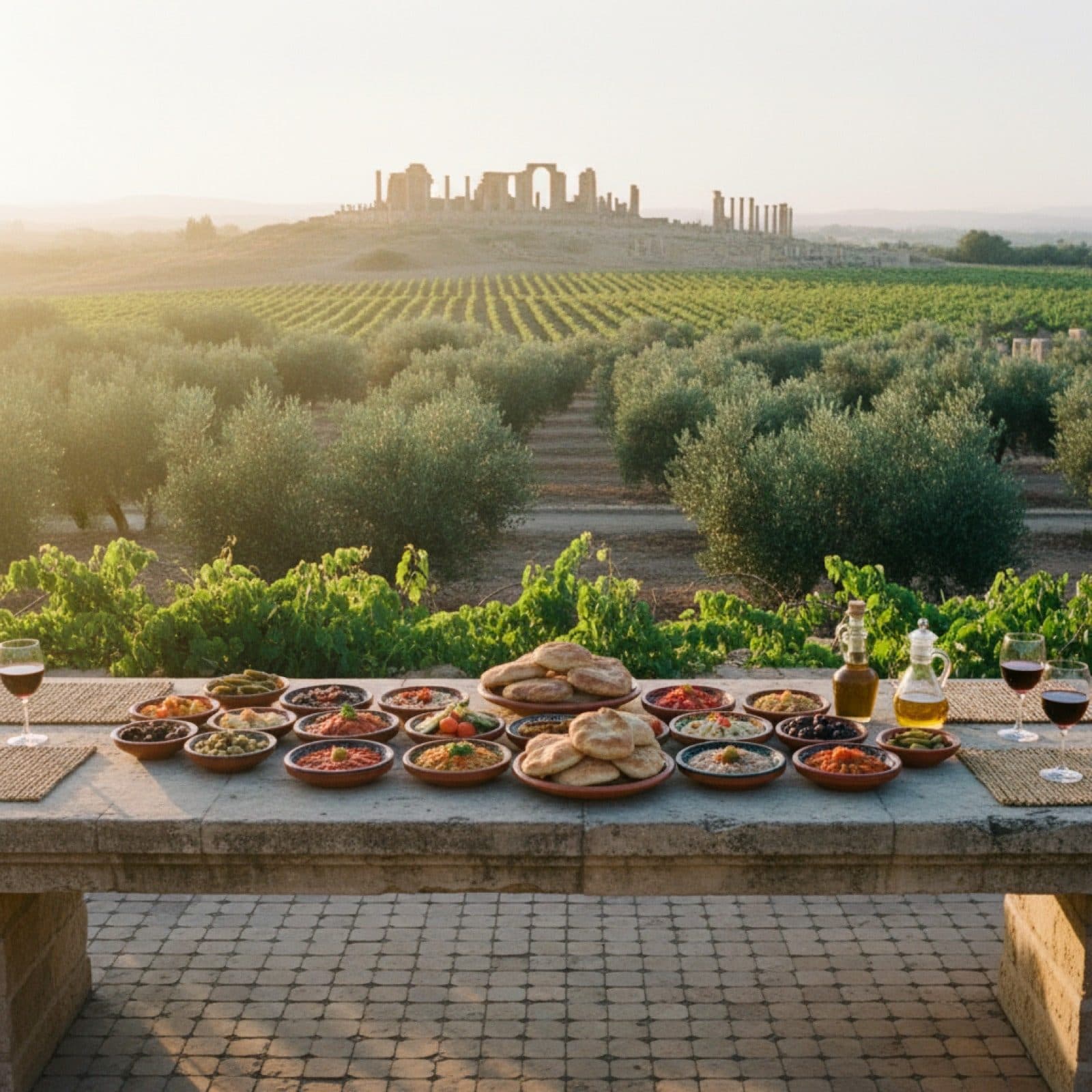
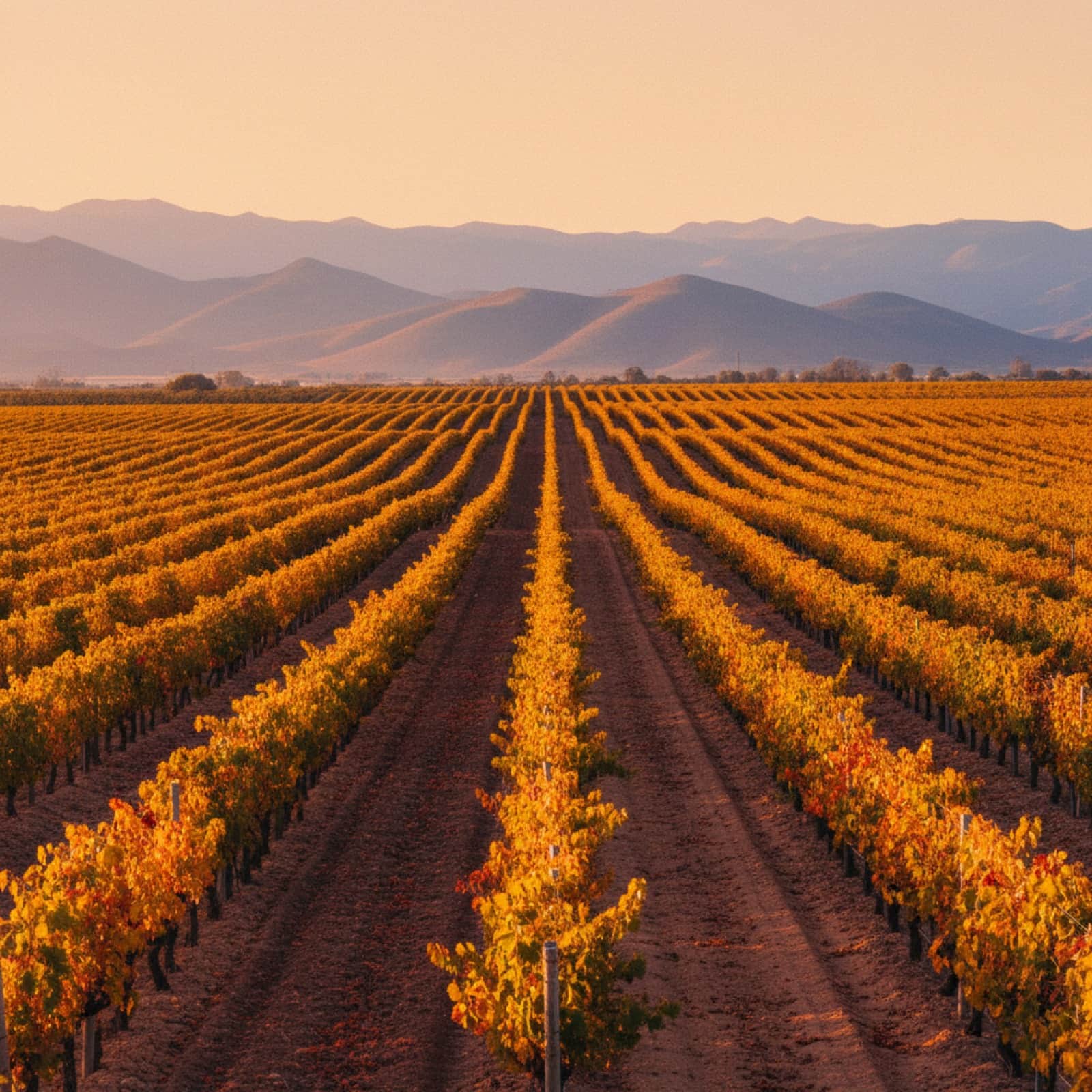
There is, and it's better than most visitors expect. Morocco has a genuine wine industry centred on the Meknès region, where the climate and altitude suit vines well. Look for the Guerrouane and Beni M'Tir appellations, and producers such as Domaine de la Zouina (whose wines appear under the Volubilis label) near Meknès and Val d'Argan near Essaouira — the latter founded by a winemaker from the French Rhône. Reds and gris (a pale rosé) are the local strengths. On the beer side, the homegrown lagers are Casablanca, Flag Spéciale, and Stork — all easy to find and perfectly pleasant on a warm evening. For couples building a trip around food and the table, our private wine-country tour through the imperial cities is built around exactly this.
Can you drink alcohol during Ramadan in Morocco?
This is the period that catches travelers out. During the holy month of Ramadan, most supermarkets suspend or sharply restrict alcohol sales — the back section is often roped off entirely — and many local cafés and restaurants stop serving. Hotels and licensed venues catering to foreign guests generally still serve alcohol, but more discreetly, sometimes only via room service or in an interior bar away from the street. If your trip overlaps Ramadan (the dates shift roughly eleven days earlier each year on the Western calendar), plan to drink within your hotel and avoid eating or drinking visibly in public during daylight hours out of respect. It's a beautiful, atmospheric time to visit — just one that rewards reading the local rhythm. Checking the best time to visit Morocco before you book helps you decide whether to lean into Ramadan or sidestep it.
Will a riad or guesthouse serve alcohol?
It depends entirely on the riad, and you should never assume. Many traditional riads — especially family-run ones in the medina — do not hold an alcohol licence and therefore don't serve it. The good news is that a large share of those same riads happily let you bring your own bottle to enjoy on the rooftop terrace or with dinner; some will even chill it and provide glasses. The simple move is to ask when you book: "Do you serve alcohol, and if not, may we bring our own?" Larger boutique riads and hotels in Marrakech more often have a licence and a wine list. For a honeymoon where a rooftop glass of Moroccan rosé at sunset matters, this is worth confirming in advance — our Morocco honeymoon guide covers the romantic-stay logistics in more depth.
Are there places in Morocco where you can't drink at all?
Yes — a handful of towns are effectively "dry," usually for religious reasons. The clearest example is Moulay Idriss Zerhoun, a sacred pilgrimage town near Meknès that has historically had no alcohol sales at all. Smaller conservative towns and rural villages may have no licensed outlet within easy reach simply because there's no demand. By contrast, the cities and resorts geared toward tourism — Marrakech, Casablanca, Agadir, and the relaxed coastal town of Essaouira — have plenty of licensed bars and restaurants. The rule of thumb: the more touristed and cosmopolitan the place, the easier alcohol is to find; the more sacred or rural, the more likely you'll find none. If you're road-tripping through small towns, carry your own supply bought earlier in a city.
What are the etiquette rules around drinking in Morocco?
Etiquette here is about discretion and respect rather than hard prohibitions. A few practical norms keep you on the right side of both the law and local sensibilities:
- Drink indoors or in licensed venues — never on a public street, beach, or in a park, where it can draw a police fine.
- Carry your supermarket bottles in an opaque bag, the same way the shop will usually wrap them for you.
- Don't offer alcohol to Moroccans unless you know they drink — many don't, and it can be awkward.
- Never drink and drive — enforcement is strict and the legal tolerance is effectively zero.
- Be especially discreet during Ramadan and around mosques or religious sites.
- Stay relaxed about it — in tourist areas, a glass of wine with dinner is completely unremarkable.
How much does alcohol cost in Morocco?
Alcohol carries import and excise duties, so it isn't dirt cheap, but local products are affordable. A bottle of Moroccan wine in a supermarket typically runs 50–90 dirhams (roughly US$5–9); a can or bottle of local beer is usually well under 20 dirhams. In a hotel bar or tourist restaurant, expect a markup — a glass of wine might be 60–120 dirhams and a cocktail more. Imported spirits and foreign wines are noticeably pricier than the domestic equivalents, so trying the local Guerrouane red or a Casablanca beer is both the more interesting and the more economical choice. If you enjoy a drink most evenings, budgeting a modest daily amount and buying your wine from a supermarket rather than the hotel bar saves a fair bit over a one- or two-week trip.
In summary — can you drink alcohol in Morocco?
Yes. Alcohol is legal and readily available to tourists in Morocco. You can buy it at licensed supermarkets like Carrefour and Marjane (look for the discreet back section, and note Friday and holiday closures), drink it in hotels, bars, and tourist restaurants, and even sample a genuinely good local wine industry centred on Meknès. The caveats are about manner, not permission: keep drinking to licensed and private settings, never on the street, be extra discreet during Ramadan, respect the few dry towns like Moulay Idriss, and never drive after drinking. Handle it with a little awareness and it's a complete non-issue for a relaxed trip.
Should you plan the drinking logistics yourself or with help?
You can absolutely sort this out yourself — many travelers do. The real friction is the small stuff: knowing which riads serve or allow alcohol before you book, finding licensed restaurants in an unfamiliar medina, navigating supermarket Friday closures, and timing things sensibly if your dates fall in Ramadan. Sorting it solo means a bit of research and the odd dry evening when a shop is shut. If you'd rather skip that friction, a private driver or guided trip handles the venue knowledge for you, and our private wine-country tour through the imperial cities is built specifically around Morocco's Meknès vineyards and the best licensed tables. Either way, the country is welcoming about it — the choice is simply how much of the logistics you'd like to outsource.
Written by
Youssef El Alaoui
Lead Morocco Specialist
Born in Fes, based in Marrakech. Designs private itineraries for Morocco Beauty Spots and still argues mint tea is best in the Atlas.