A respectful guide to Morocco's Jewish heritage: the mellah quarters, synagogues and cemeteries of Fes, Marrakech and Essaouira, and tracing Jewish roots.
Morocco was once home to one of the oldest and largest Jewish communities in the Muslim world — roughly 250,000 to 265,000 people before mass emigration in the 1950s and 1960s. That world is still legible on the ground: the mellah, or walled Jewish quarter, survives in Fes, Marrakech, Essaouira and beyond, alongside working synagogues, restored cemeteries, a national museum, and an annual pilgrimage tradition (hiloula) that still draws diaspora families home.
We guide returning families for a living, and this is the post we wish more of them had before they arrived. It is not a tour pitch — it is a map of what the mellah is, how deep the history runs, which sites still stand, and how to walk these places with the care they ask for. We have written it plainly, kept it factual, and stayed away from anything that belongs in a newspaper rather than a heritage guide.
What is a mellah?
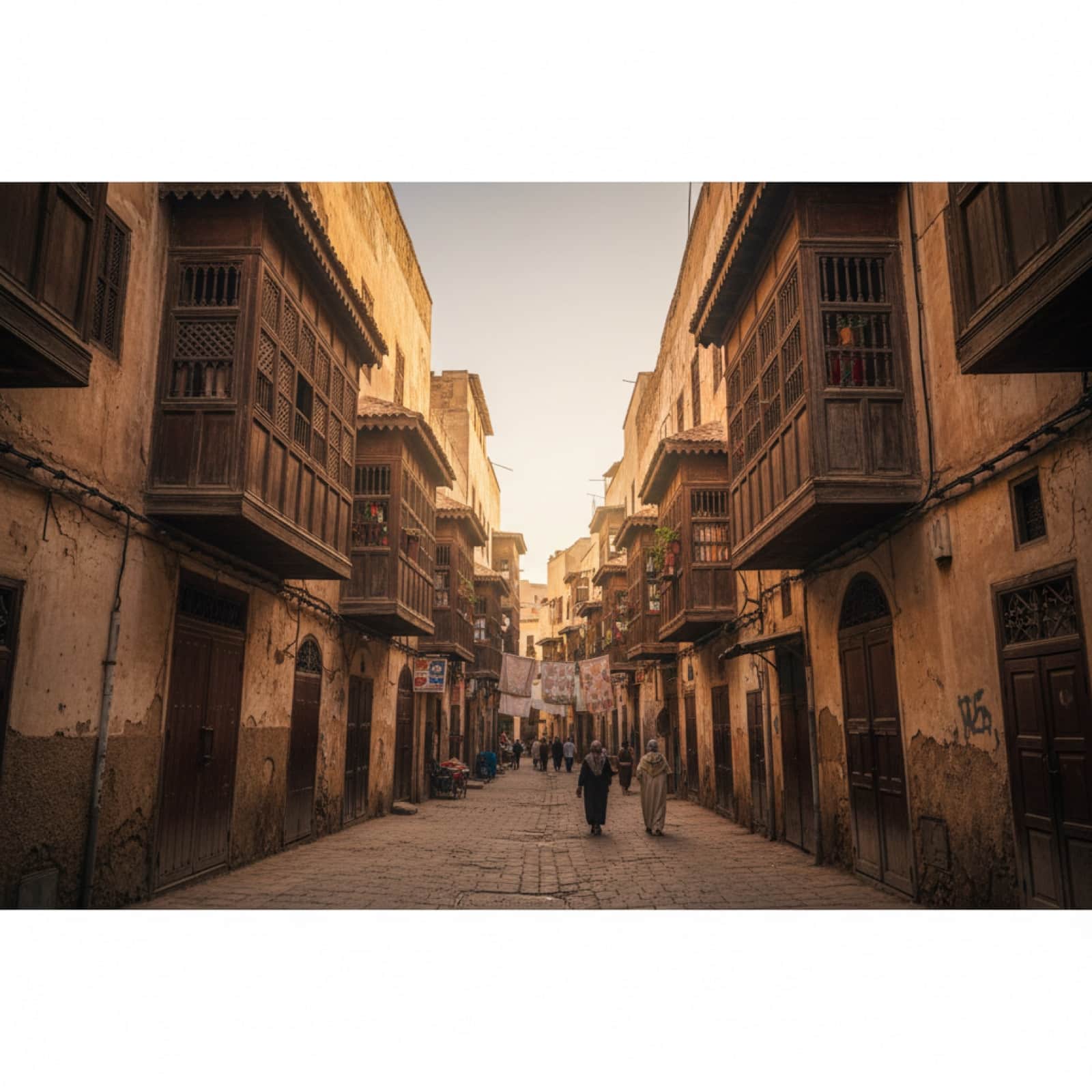
A mellah is the historic walled Jewish quarter of a Moroccan city or town. The word comes from the Arabic for salt, and several origin stories attach to it; what matters for a visitor is the form. The first mellah was established in Fes in 1438, set beside the royal palace at Fes el-Jdid. The placement was deliberate: proximity to the sultan meant Jewish residents lived under royal protection, and many communities depended on that protection through centuries of shifting fortunes.
It is worth saying clearly that a mellah was not a European-style ghetto. It functioned as a self-governing quarter — with its own synagogues, rabbinical courts, schools, bakeries and markets — and its walls were as much about administration and community cohesion as separation. Over time, almost every significant Moroccan town developed one: Fes, Marrakech, Essaouira, Sefrou, Tetouan, Meknes, Rabat, Demnate and dozens more.
How long have Jews lived in Morocco?
The Jewish presence in Morocco stretches back more than 2,000 years. There is evidence of Jewish life in the Roman-era city of Volubilis, near Meknes, and over the centuries Judaism took root among Amazigh (Berber) communities across the Atlas and the pre-Sahara, producing a distinctly Moroccan Jewish culture long before the famous medieval influxes.
Two later waves reshaped that world. Communities expelled from Spain and Portugal arrived from 1391 onward and especially after the 1492 expulsion, settling heavily in the north. By the mid-twentieth century the community had grown to roughly 250,000–265,000 people — the largest Jewish population in the Arab and Muslim world, peaking around 1948. Then came the great departure: between the late 1940s and the 1970s the great majority emigrated, chiefly to Israel, France and Canada. Today only about 2,000–3,000 Jews remain, most of them in Casablanca.
Understanding those two roots — the ancient Amazigh-Jewish communities of the interior and the Sephardi families of the north — is the key to reading the heritage well. They produced different liturgies, different cooking, different names and even different dialects, all of them Moroccan. A heritage trip that touches both ends of that story is far richer than one that treats "Moroccan Jewish" as a single thing.
| Population milestone | Approximate figure |
|---|---|
| Length of recorded Jewish presence | Over 2,000 years |
| Peak community (around 1948) | ~250,000–265,000 — largest in the Muslim world |
| Remaining today (mostly Casablanca) | ~2,000–3,000 |
| Main emigration destinations | Israel, France, Canada |
Where are Morocco's Jewish quarters and synagogues?
The heritage is spread across the country, and each city tells a different chapter. The table below maps the places most returning families ask about, with what physically survives at each. Opening hours and access vary — synagogues that are still consecrated may be open only for visits arranged through a custodian, which is one reason a local contact matters.
| City | Mellah / key site | What remains today |
|---|---|---|
| Fes | Fes el-Jdid mellah; Ibn Danan Synagogue; Em Habanim | Morocco's first mellah (1438); the restored Ibn Danan, one of North Africa's oldest synagogues; a large hillside cemetery with whitewashed tombs |
| Marrakech | Mellah (Hay Essalam); Slat al-Azama (Lazama) Synagogue; Miâara cemetery | A working synagogue with a courtyard; the historic Miâara Jewish cemetery; restored mellah lanes near the Bahia Palace |
| Essaouira (Mogador) | Jewish quarter; Haim Pinto Synagogue; Bayt Dakira | A town once nearly 40% Jewish; the Pinto synagogue; Bayt Dakira (House of Memory), a heritage museum and research centre |
| Casablanca | Beth-El Synagogue; Museum of Moroccan Judaism | The community's living centre; Beth-El's celebrated stained glass; the only Jewish museum in the Arab world |
| Tetouan & Chefchaouen | Andalusian mellahs | Sephardi quarters founded by families from Spain; synagogues, distinctive architecture and surnames |
| Sefrou | Old mellah | Once a majority-Jewish town near Fes; preserved quarter and the nearby tomb associated with hiloula pilgrimage |
What can you actually see today?
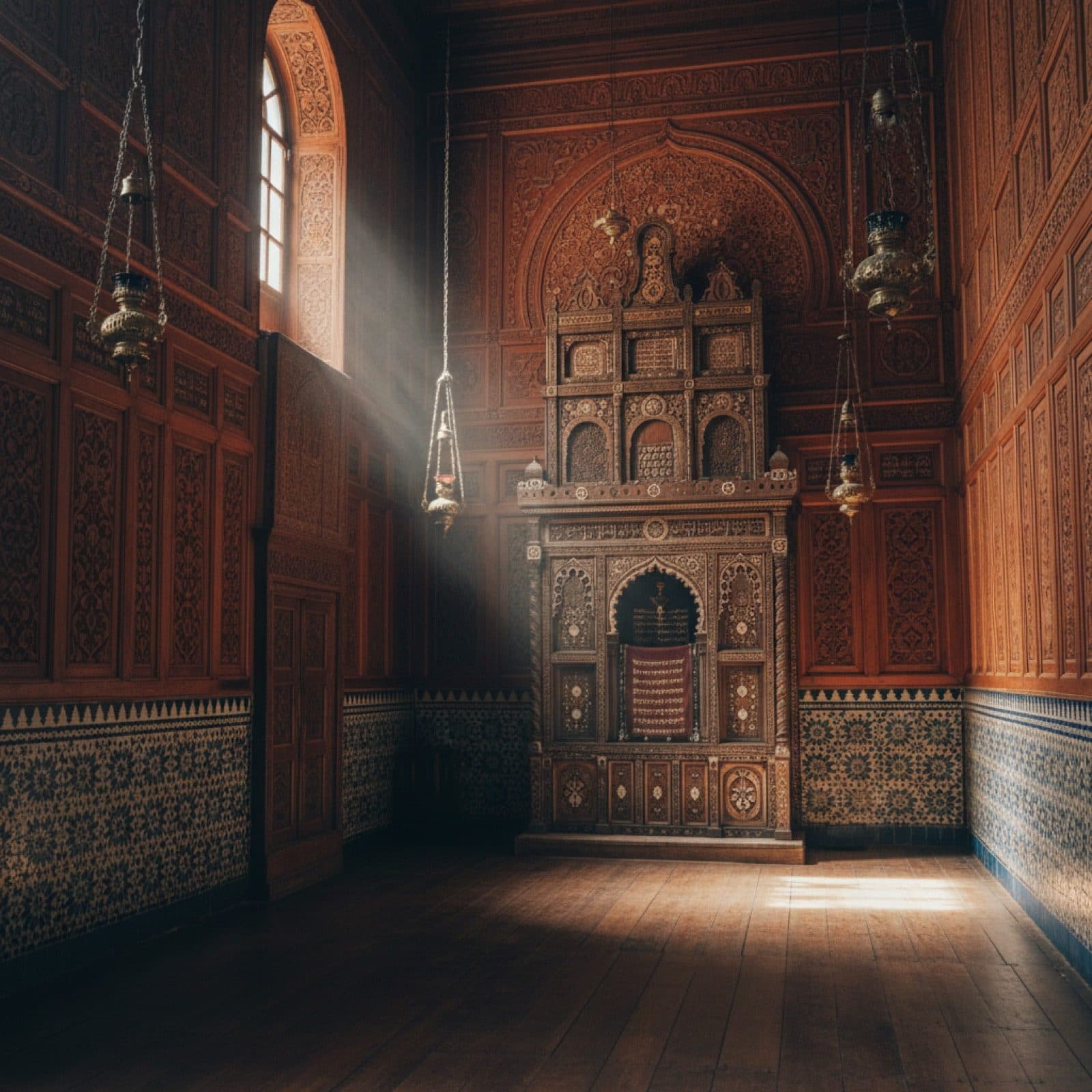
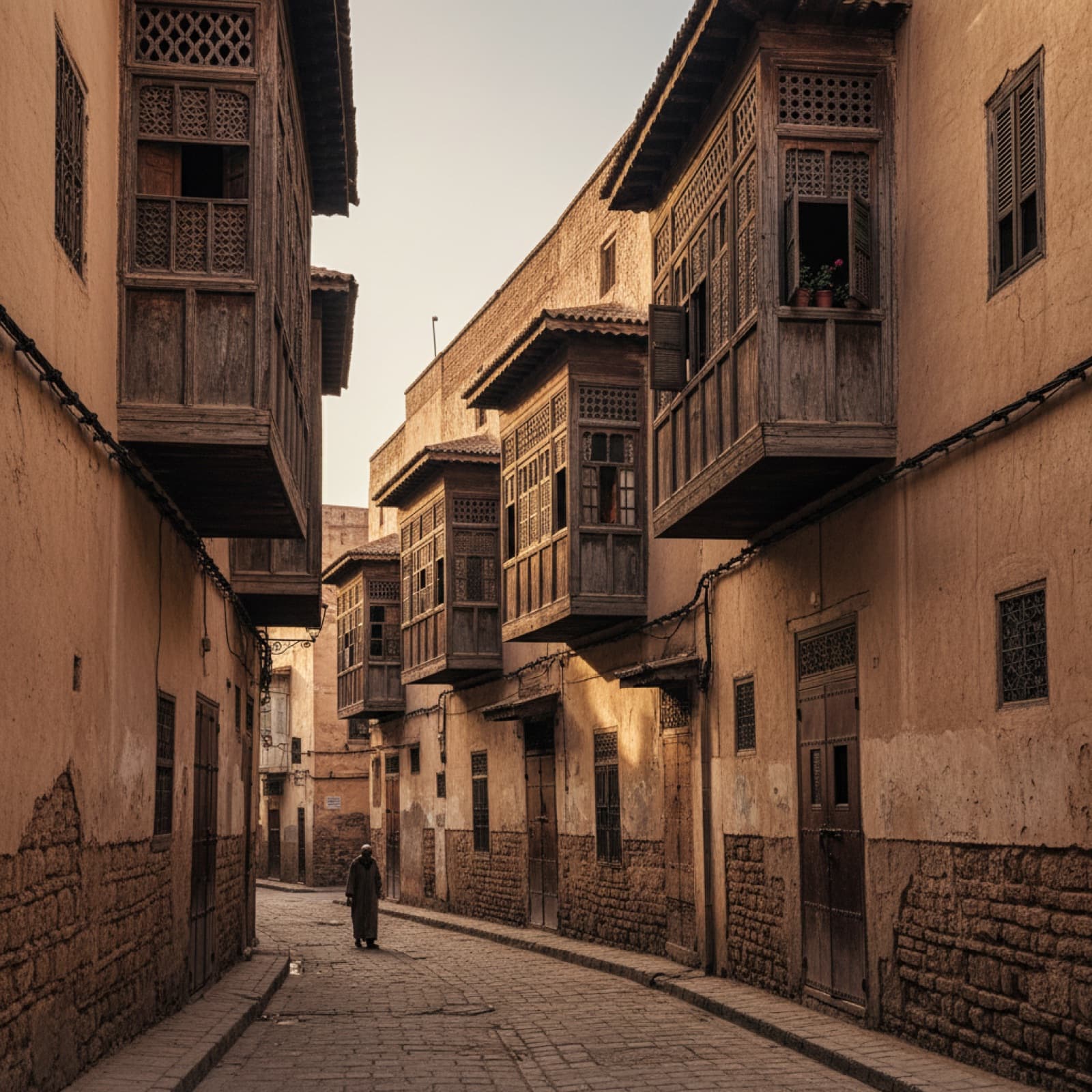
More than most visitors expect. In Fes, the Ibn Danan Synagogue has been carefully restored and is open to visitors; its painted ceiling, ark and below-floor mikveh (ritual bath) are intact, and the cemetery on the slope below holds the tombs of revered rabbis. In Marrakech, the Slat al-Azama synagogue still functions and sits within a restored corner of the mellah, with the vast Miâara cemetery nearby.
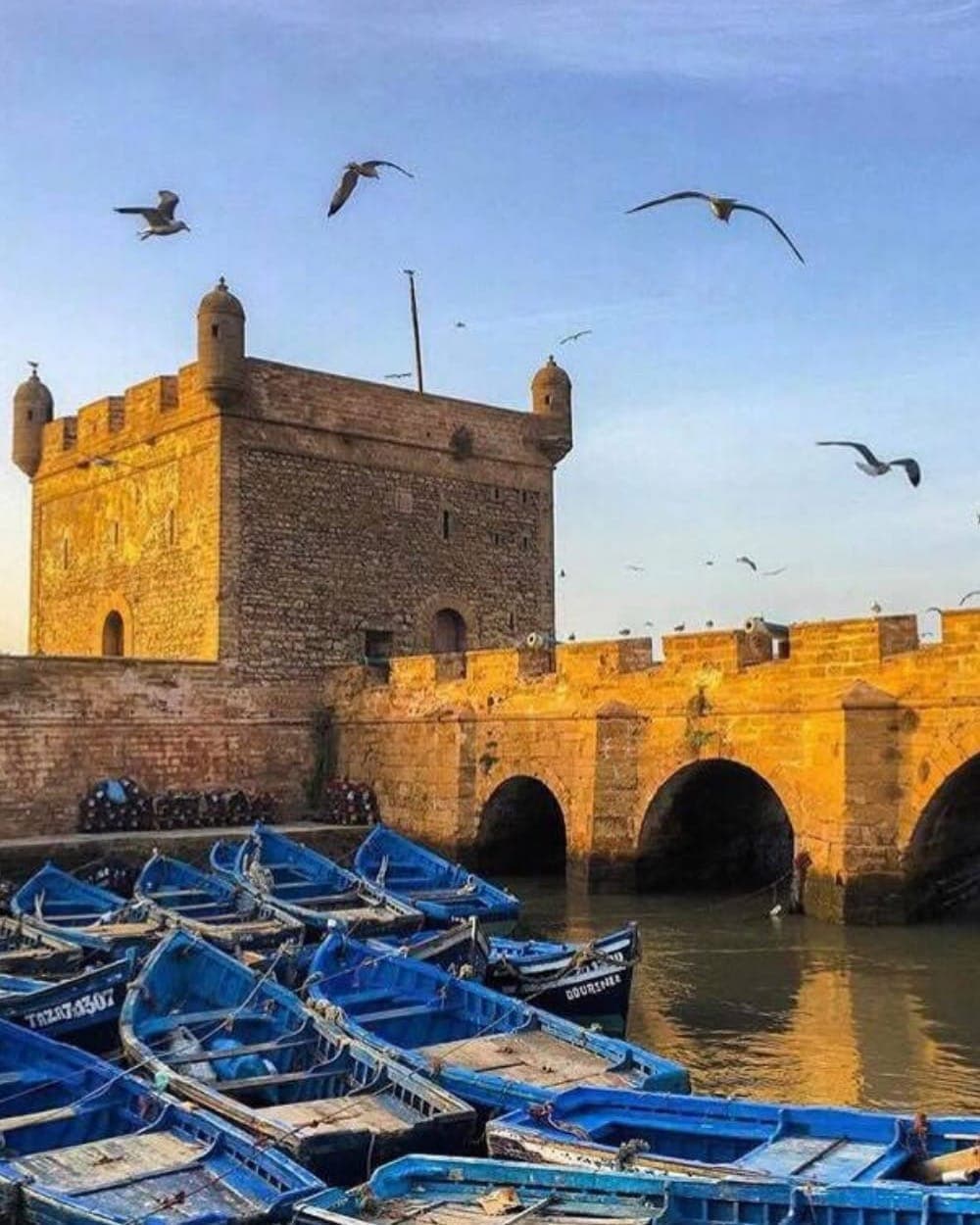
Essaouira is, for many families, the most moving stop. The Haim Pinto synagogue remains a place of pilgrimage, and Bayt Dakira — "House of Memory" — gathers the town's Jewish-Muslim story into one restored building near the old quarter. In Casablanca, the Museum of Moroccan Judaism (founded 1997) is the only museum of its kind in the Arab world, with ritual objects, costumes, jewellery and full synagogue reconstructions tracing two millennia of Moroccan Jewish life. None of these places asks you to be Jewish to visit — they ask you to come quietly and to ask before photographing.
Beyond the headline cities, smaller stops reward the unhurried traveller. Sefrou, half an hour from Fes, was once a majority-Jewish town and keeps a beautifully preserved mellah. Meknes, Rabat and Demnate each retain quarters and cemeteries, and the High Atlas and pre-Sahara hold the tombs of revered rabbis that anchor the hiloula pilgrimages. These are not polished attractions — many are quiet, half-forgotten corners — which is precisely why a knowledgeable local makes the difference between a closed door and a story.
“Families tell me they expected ruins. What they find instead is a painted ceiling in Fes, a custodian in Marrakech who knew their grandfather's family name, a candle still burning in Essaouira. The memory here was never erased — it was kept. My job is mostly to open the right door at the right hour, and then to step back.”
— Youssef El Alaoui, Lead Morocco Specialist
Can you trace Moroccan Jewish family roots?
Often, yes — within limits worth understanding before you set expectations. Moroccan Jewish genealogy draws on several layers: community registers and rabbinical-court records held by surviving communities and archives, cemetery inscriptions (Miâara in Marrakech and the Fes cemetery are especially rich), and the institutional memory of synagogue custodians and elders who frequently recognise family names tied to specific quarters and trades.
What helps most is preparation. Arrive with the family surname and any spelling variants (Moroccan Jewish names often shifted across Hebrew, Arabic, French and Spanish forms), the town or mellah your family came from, approximate dates, and any photographs or documents. A guide who knows the mellahs personally and can reach the right custodian saves days — the difference between a locked gate and an afternoon with someone who remembers. We are honest about outcomes, though: records are uneven, some quarters lost their archives in the emigration years, and we never promise a specific genealogical result. What we can promise is to open the doors and walk them with you.
What is the Andalusian heritage in the north?
After the 1492 expulsion from Spain, Sephardi Jews — alongside Andalusian Muslims — resettled across northern Morocco, above all in Tetouan, Chefchaouen and Fes. They carried a whole civilisation with them, and it never fully left. You can still read it in the architecture of Tetouan's old quarter, in the refined Andalusian cuisine of the north, in liturgical music, and in haketía, the Judeo-Spanish dialect that blended medieval Castilian with Hebrew and Arabic and was spoken in northern Jewish homes into the twentieth century.
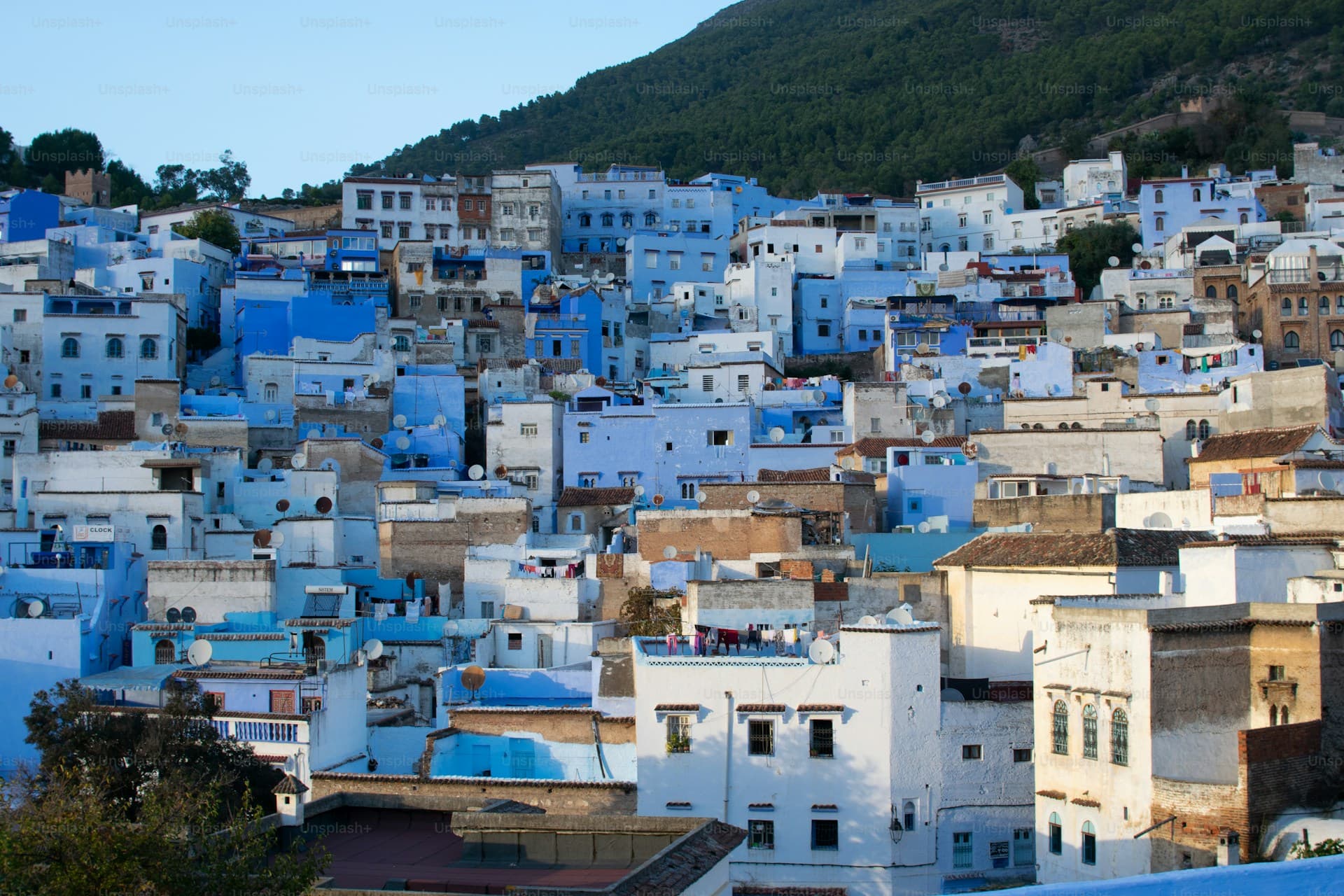
For travellers, this means the north reads differently from the imperial-city mellahs of the interior. A visit to Chefchaouen or Tetouan layered onto a heritage route adds the Sephardi-Andalusian thread to the older, Amazigh-rooted Jewish story of the Atlas and the south — two distinct heritages within one country. Our day in the Blue Pearl covers the practical side of reaching the north.
How do you visit respectfully?
These are living heritage sites and, in some cases, active places of worship — not photo backdrops. A handful of simple practices keep a visit dignified for everyone.
- Dress modestly in synagogues and cemeteries; men should cover their heads in a synagogue (a kippah is usually provided, or bring one).
- Ask before photographing people, prayer, or interiors — and accept no for an answer, especially during a service or a hiloula.
- A small donation to a synagogue or its custodian is customary and goes toward upkeep; ask your guide what is appropriate.
- Mind the calendar — sites may close for Shabbat (Friday evening to Saturday night) and Jewish holidays. Plan around them.
- Tread gently in cemeteries — keep to paths, do not lean on or sit on tombs, and lower your voice.
- Come to learn, not to perform. The communities who maintain these places are small; courtesy and genuine interest are remembered.
It helps to know that this heritage is officially honoured, not merely tolerated. Morocco's 2011 constitution names the "Hebraic" component as part of the nation's identity, and since 2016 the state has restored synagogues and cemeteries and reinstated Jewish street names across several cities. The hiloula — the annual pilgrimage to the tombs of revered tzaddikim (saintly rabbis), such as Rabbi Haim Pinto in Essaouira — continues to draw diaspora visitors each year, and is one of the most powerful moments to witness if your dates align.
How we guide heritage trips
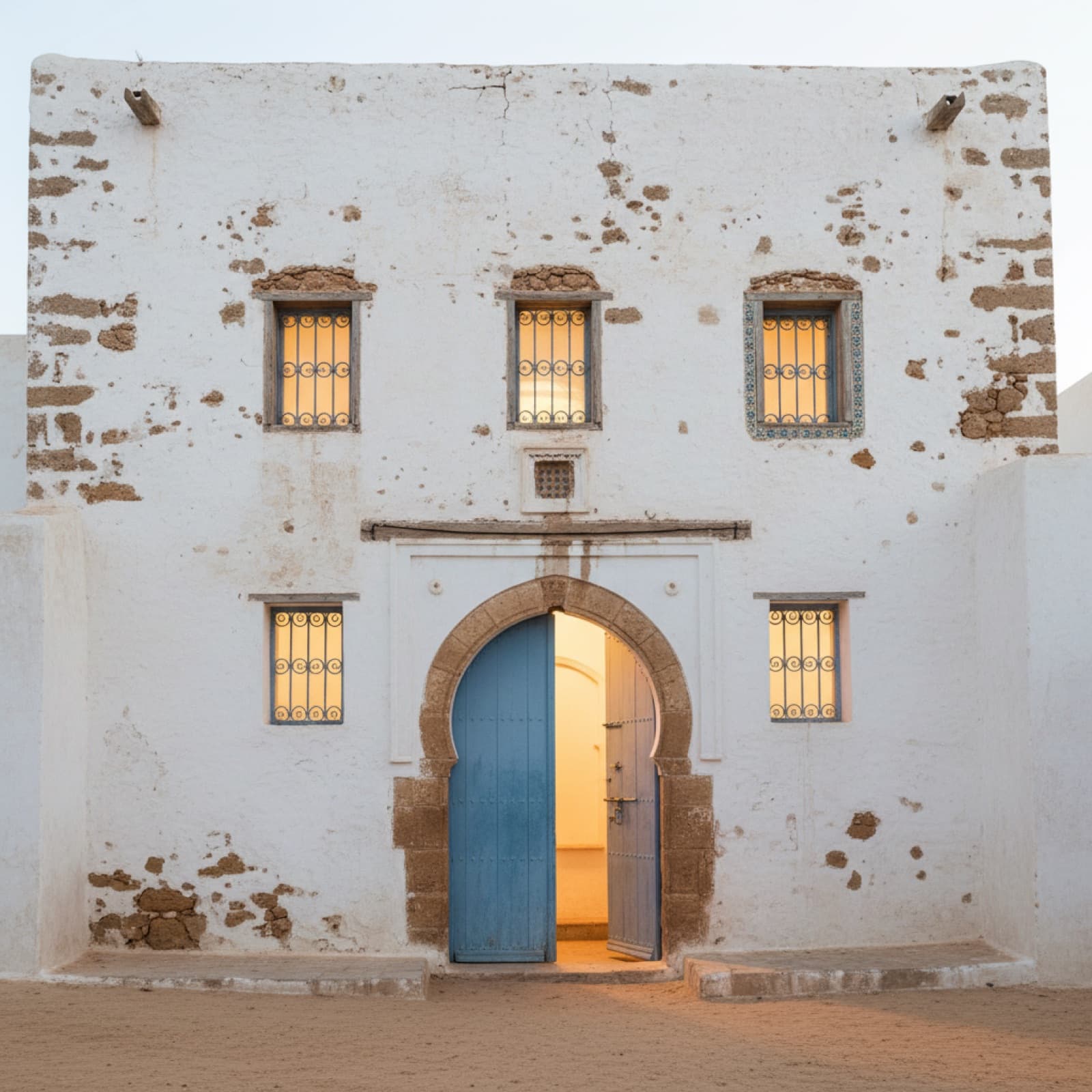
We design Jewish-heritage journeys as private, unhurried routes built around the places that matter to your family — most often a thread of Fes, Marrakech, Essaouira and, for Sephardi families, the Andalusian north. We brief synagogue custodians ahead of time, arrange access where access is by introduction, and pace the days so there is room to sit, to ask, and to let a place land rather than tick it off. Where you are tracing roots, we gather what we can in advance and set realistic expectations about what the archives will and won't hold.
If you are starting to map a trip, our dedicated heritage route — The Vanished Mosaic — is built for exactly this, and pairs well with a broader 10-day grand journey when families want to see the wider country too. For the practical scaffolding around it, the Morocco itinerary guide and things to do in Morocco help frame the days between the mellahs, while a first stop in Marrakech or coastal Essaouira eases you in. When you are ready, tell us the family names and the towns and we will start building from there — plan your trip and we will take it from a list of places to a route that honours them.
Written by
Youssef El Alaoui
Lead Morocco Specialist
Born in Fes, based in Marrakech. Designs private itineraries for Morocco Beauty Spots and still argues mint tea is best in the Atlas.