Yes — Morocco is safe for solo female travellers who travel with awareness. An honest guide from Amina, a Moroccan woman and operator: real talk on street harassment, dress as a comfort lever, the cities that are easier vs harder, faux-guides and scams, riads as safe havens, and why a private driver removes more stress than anything else you can do.
Yes — Morocco is safe for solo female travellers, provided you travel with awareness. Violent crime against tourists is rare. The honest friction is verbal: catcalls and persistent vendors, not danger. Knowing the difference is the whole skill.
I'm Amina. I'm a Moroccan woman, and I help run private trips through my own country for a living. I've walked the Marrakech souks alone since I was a teenager, and I've spent years now listening to solo women on WhatsApp ask me the same question before they book: "Will I be okay on my own?" This is the answer I'd give my own sister or my closest friend — protective, practical, and without glossing over the parts that are genuinely annoying. No fear-mongering, no brochure gloss. Just the calibration that took me a lifetime here and takes most visitors about three days.
“The thing I want every woman to understand before she arrives: the hassle is loud, and the danger is quiet — and in Morocco serious incidents are rare. Once you stop reading attention as threat, the country opens up. Most of my solo guests leave more confident than they arrived. — Amina, Morocco Beauty Spots”
Is Morocco safe for solo female travellers, honestly?
Yes, with awareness — and the gap between Morocco's reputation and the reality on the ground is wide. Morocco runs a dedicated tourist police force, the Brigade Touristique, that patrols the major medinas. Physical-safety risk for solo women is genuinely low; the real issue is social friction.
Western governments keep Morocco in their normal-travel tiers. The UK Foreign Office (FCDO) advises taking the usual safety precautions, and the U.S. State Department has not placed the tourist regions under a "reconsider" or "do not travel" warning. The published cautions concern the Algerian border and the disputed Western Sahara region — not the cities you'd actually visit: Marrakech, Fes, Chefchaouen, Essaouira, the Sahara. What that means in practice: the question isn't really "is it dangerous?" It's "how do I handle the attention?" That's a learnable skill, and the rest of this guide is the curriculum. The women I host who calibrate it in the first two days stop noticing the hassle by day four.
What kind of harassment will I actually experience?
Mostly verbal: catcalls, "bonjour gazelle," and persistent vendors who follow a few steps before giving up. It's the same low-grade urban annoyance women report from Naples, Cairo, or Paris. Unwanted touching is uncommon and crosses a clear line that locals condemn too.
Let me be specific, because vagueness here helps no one. You will get comments on the street — in French, sometimes English, sometimes just a hiss or a "where are you from?" In the Marrakech medina especially, a vendor may walk alongside you for thirty seconds. None of this is danger; it's friction, and it evaporates the moment you stop rewarding it with a reaction. What is genuinely rare is anything physical. Moroccans have a word — hashouma, meaning "shame" — and if a man crosses a line in public, bystanders will often say it to him on your behalf. The culture polices this. Your job is to read attention as background noise, not as a threat assessment, and to keep the small percentage of genuine creeps at arm's length using the scripts below.
How do I shut down unwanted attention without being rude or unsafe?
Use calm, firm verbal exits and don't negotiate. "La, shukran" (no, thank you), keep walking, no eye contact, no smile-to-soften. Engaging — even to politely decline at length — reads as an opening. The most effective tool is simply continuing to walk.
Here are the scripts I give every solo guest, in rough order of escalation. "La, shukran" said once, flatly, while still moving, handles 90% of vendors and street comments. If someone persists, "safi" (enough / that's it) is firmer and locals use it constantly. For a man who won't stop, a loud, sharp "hashouma!" invokes public shame and tends to make him retreat because it draws bystanders' attention to him, not you. Two behavioural rules matter as much as the words: walk with purpose — looking lost invites "help" — and avoid the prolonged eye contact and apologetic smiling that many of us are socialised into, because here both get misread. Sunglasses genuinely help; they break the eye-contact loop before it starts. None of this requires you to be unkind. It requires you to be unbothered, which is a different and more useful thing.
Does what I wear actually change how I'm treated?
Yes — dress is a comfort lever, not a safety requirement. Covering shoulders and knees noticeably reduces street comments and lets you move with less friction. You do not need to cover your hair; most Moroccan women in cities don't either.
I want to be careful here, because "dress modestly or else" is both inaccurate and a little insulting. Harassment is never the victim's fault, and women in full abayas get catcalled too. But I'd be lying if I said clothing made no difference to your day-to-day comfort. Looser layers, covered shoulders and knees, a scarf in your bag for mosques and rural villages — these lower your visibility as an obvious tourist and let you blend a half-step more, which means fewer interactions to manage. Marrakech, Chefchaouen, and Essaouira are relaxed; what you'd wear in southern Italy is fine. Rural areas and small towns are more conservative, so I dress up a notch there. For a season-by-season, women-specific breakdown of exactly what to pack and where the lines actually are, our Morocco packing guide for women and men covers it properly. Treat it as a comfort dial you control, not a rule you're failing.
Which Moroccan cities are easier for solo women, and which are harder?
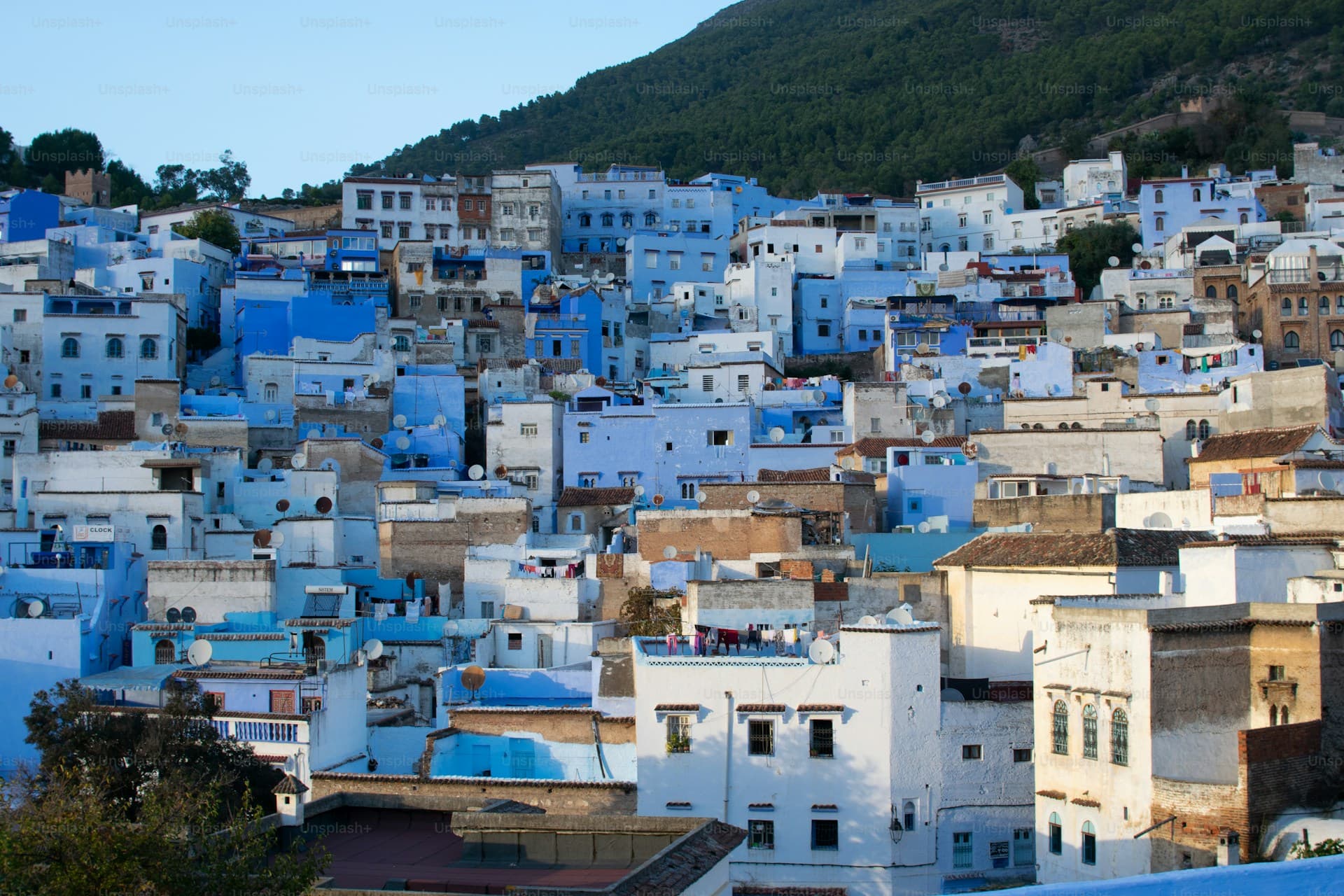
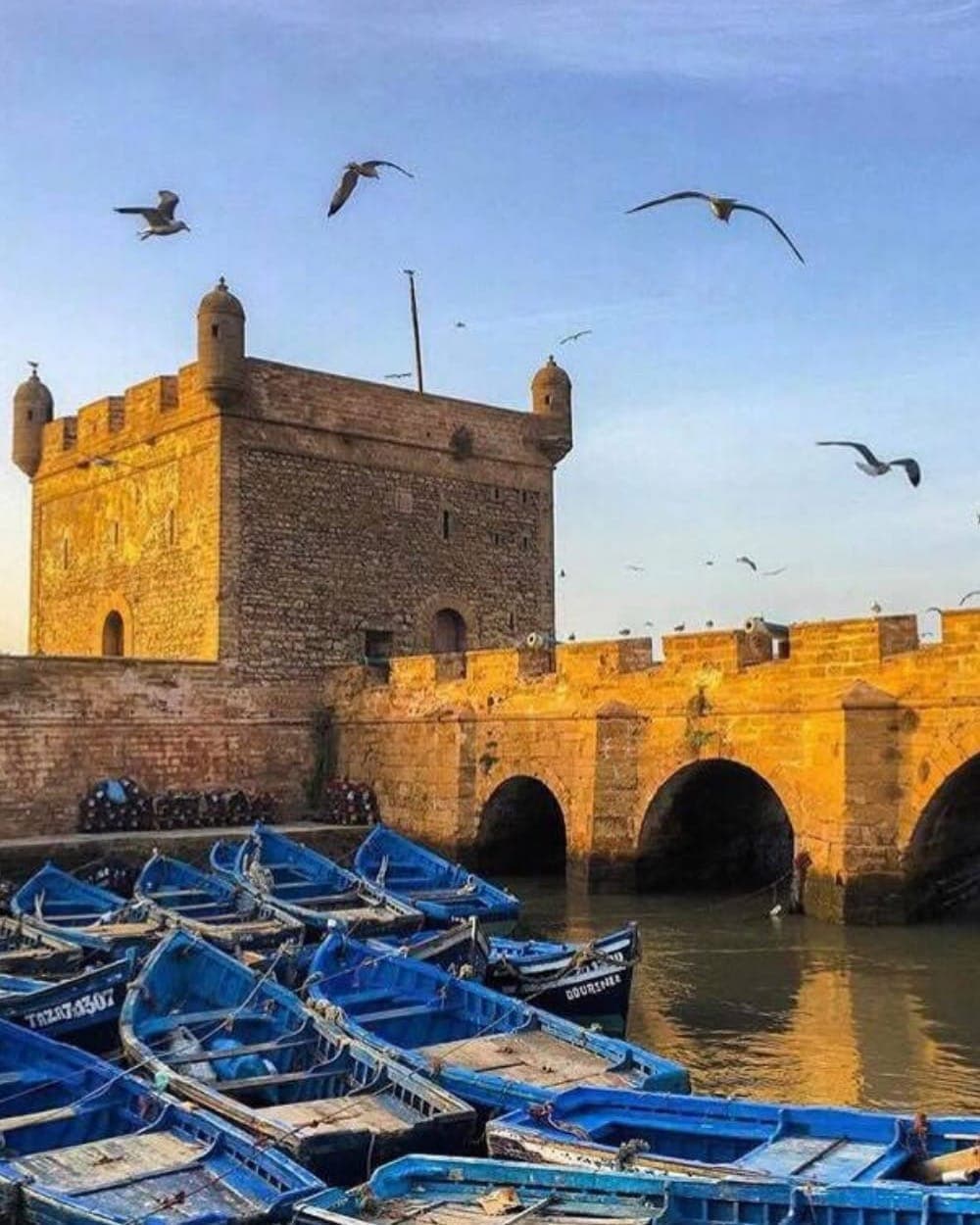
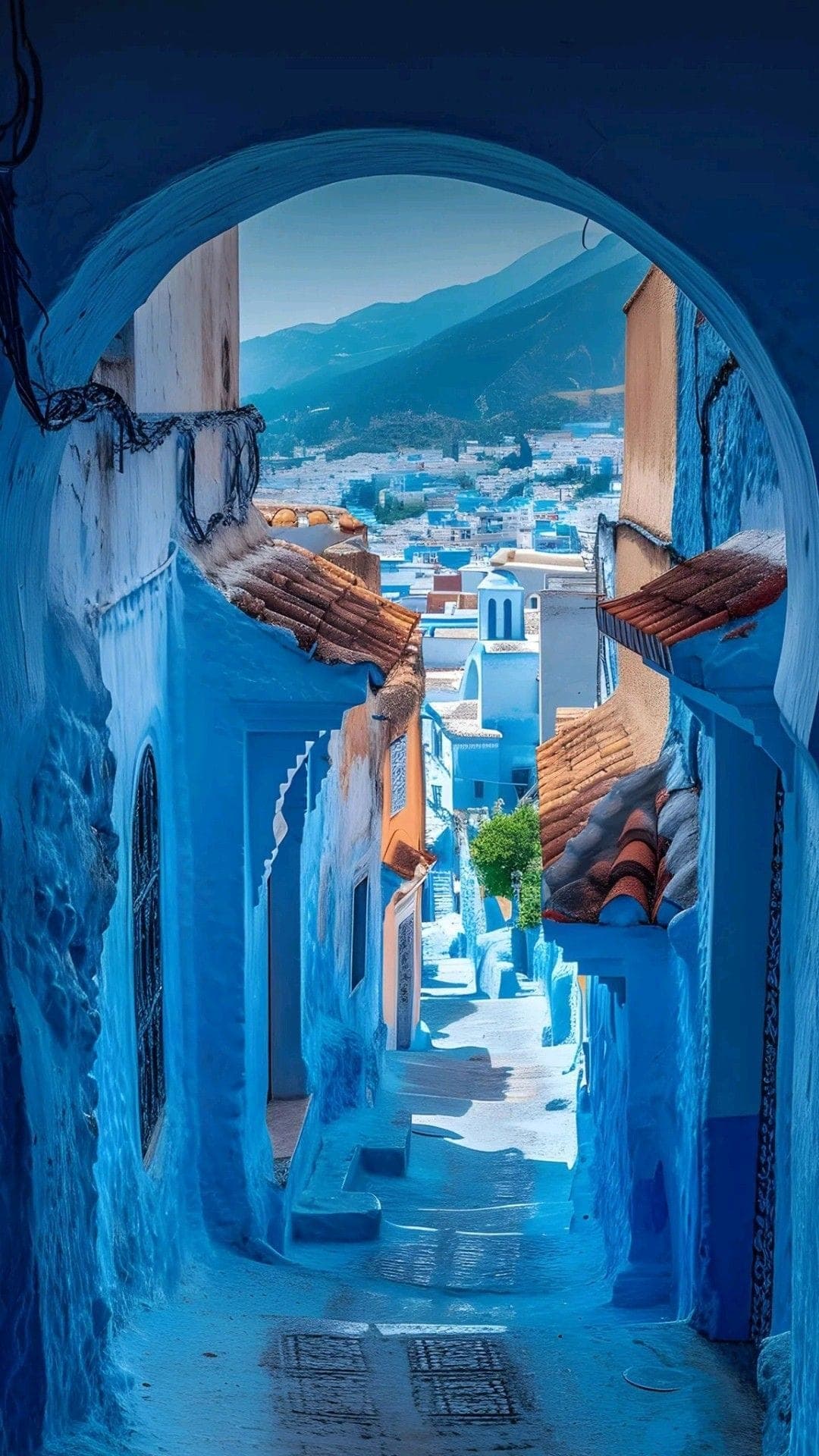
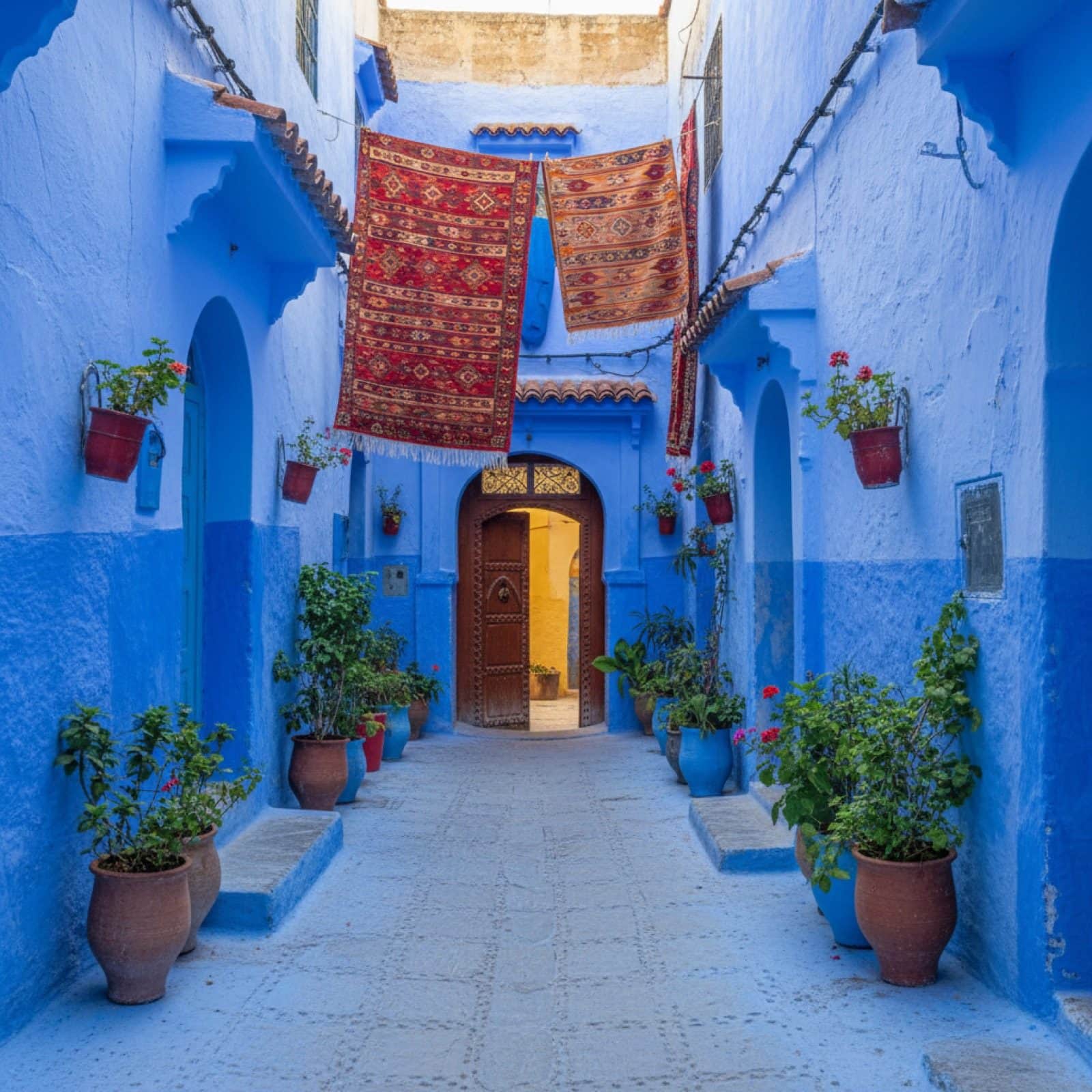
Coastal towns and the blue city are the calmest; the dense imperial medinas bring the most hassle. Chefchaouen and Essaouira are gentle on arrival; the Marrakech medina is the steepest learning curve. Fes is intense to navigate but not aggressive toward women.
This is where solo travellers most want a straight answer, so here's mine from years of routing women through all of it. Plan your first one or two days in an easier city to build your calibration before the deep end. The table below is my honest field read — "hassle" here means vendor pressure and street comments, not danger, which stays low across all of them. If you want a slower, sea-air start, our 4-day Atlantic coast route leans into Essaouira; for the calmest possible introduction, the Chefchaouen-and-north itinerary opens in the gentlest corner of the country before you take on a bigger medina.
| City / area | Hassle level for solo women | Walkability | Good as a first stop? |
|---|---|---|---|
| Chefchaouen (the blue city) | Low | Easy, compact | Excellent — the gentlest landing |
| Essaouira (Atlantic coast) | Low | Easy, breezy, open | Excellent — relaxed, artsy, calm |
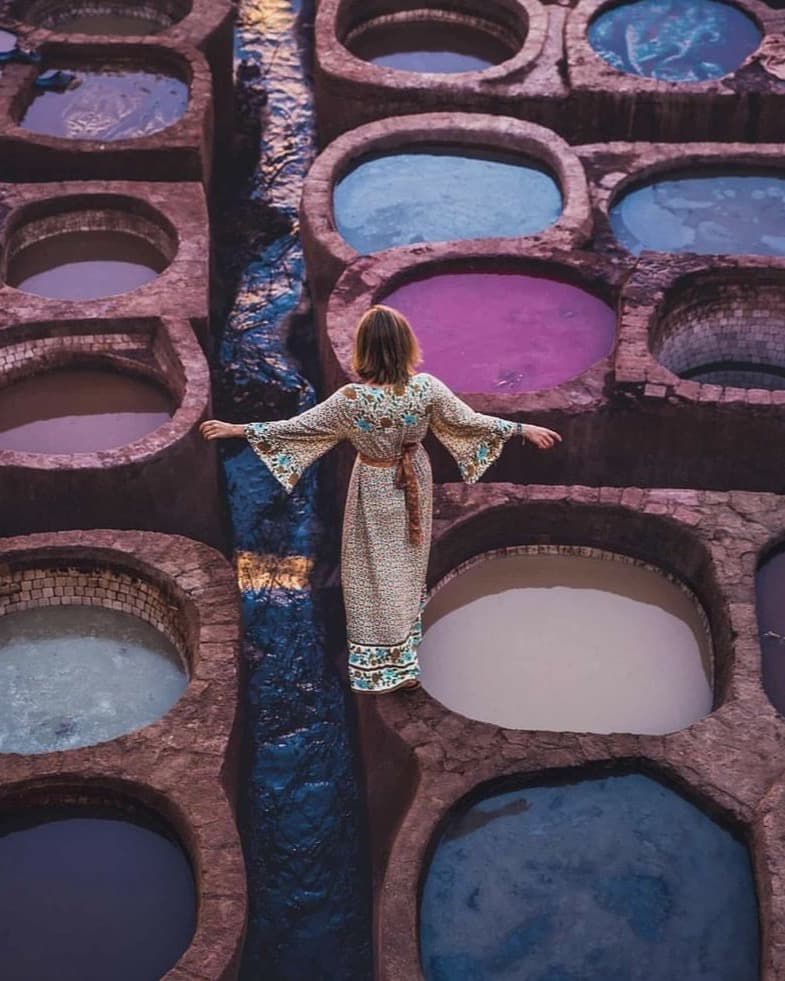
| Fes medina | Moderate (navigation, not aggression) | Hard — 9,000+ alleys | Better with a guide; not day one |
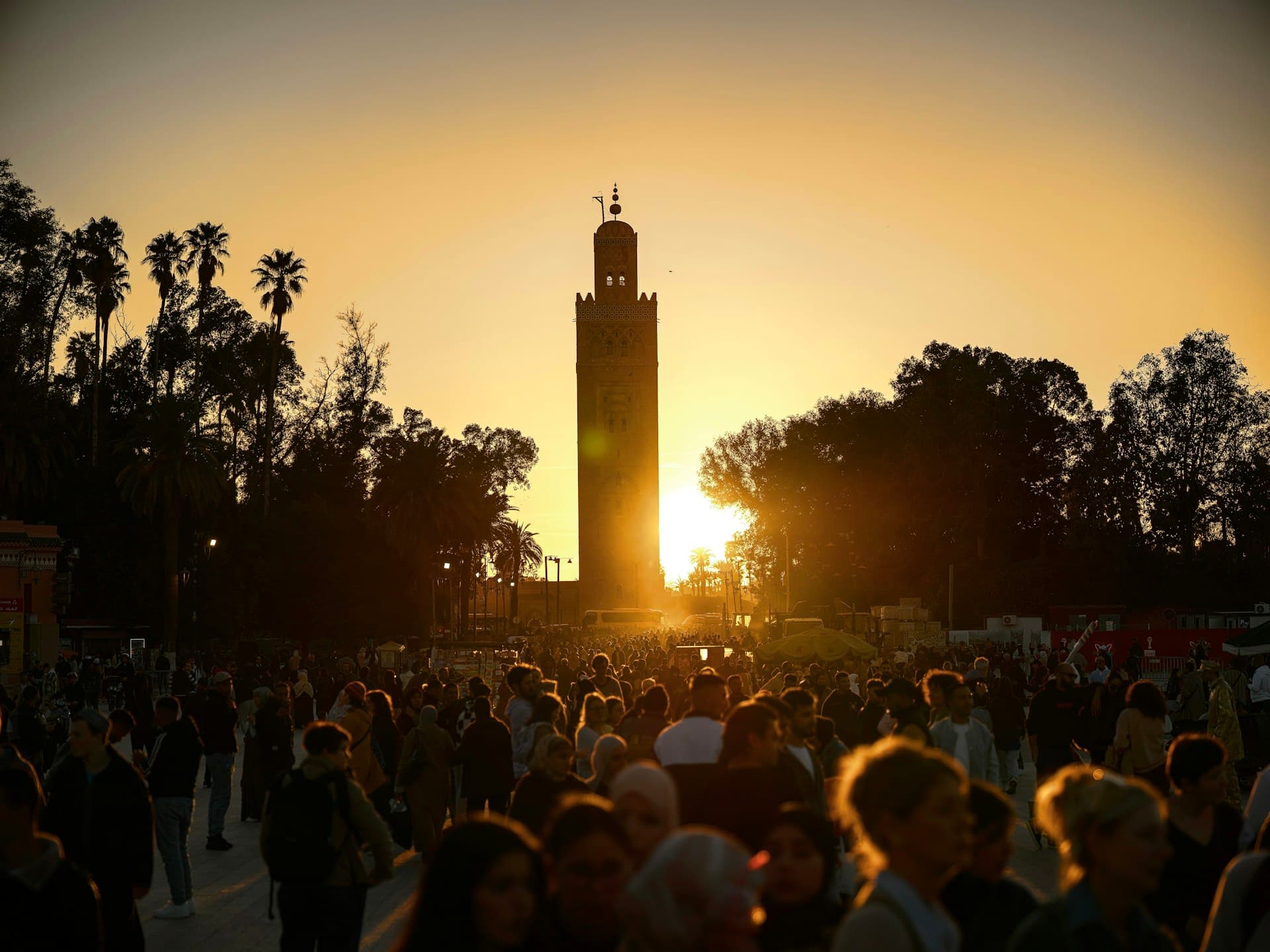
| Marrakech medina | Higher (vendor pressure, catcalls) | Dense, disorienting | Doable, but the steepest curve |
| Rabat / Casablanca | Low–moderate | Modern, easy | Easy, but less atmospheric |
What about faux-guides and the common scams?
The classic is the faux-guide: a stranger insists the souk or sight you want is "closed today" and offers to lead you somewhere better — which is a relative's shop expecting a hard sell. It's annoying, not dangerous, and easy to defuse.
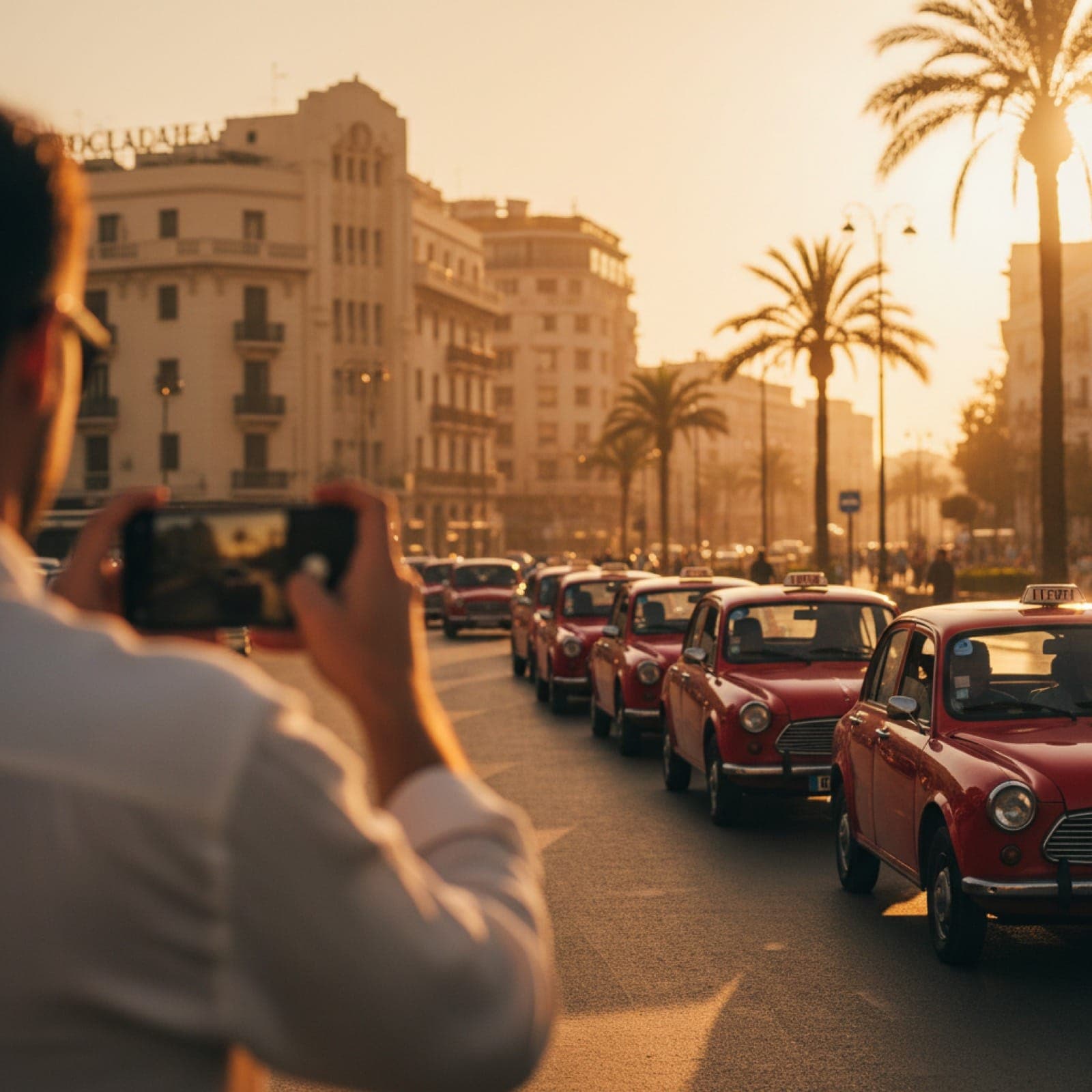
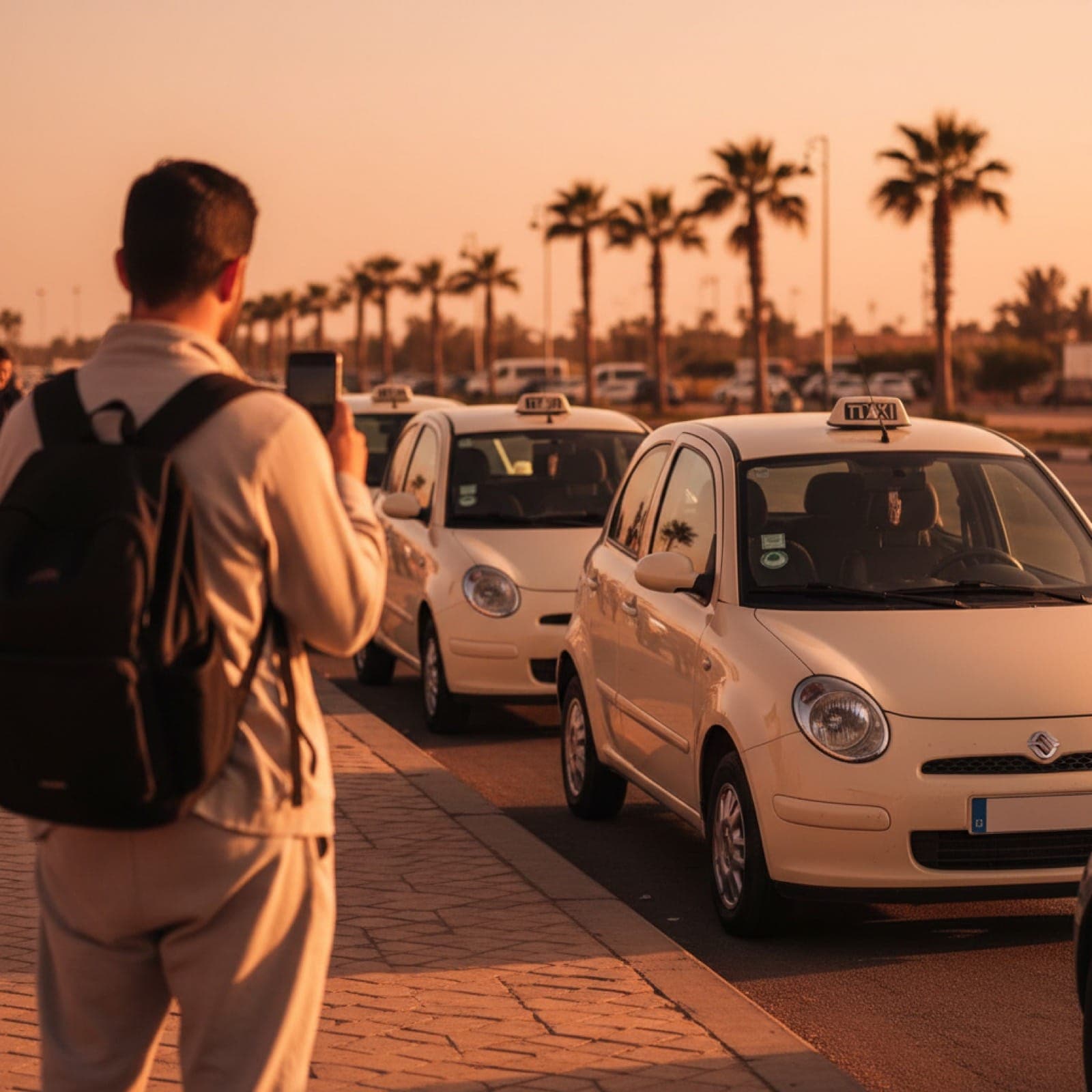
A few patterns to recognise so they never catch you. The "it's closed / there's a festival this way" line is the big one — decline, and trust your own map, because the thing you're walking to is almost never actually closed. The "free" henna grab in Jemaa el-Fnaa is another: a woman takes your hand, applies henna, then demands payment, so keep your hands to yourself and a firm "la, shukran" ready. Always agree a taxi fare before getting in, or insist on the meter ("compteur, s'il vous plaît"), since airport and medina-edge taxis quote tourist prices. And anyone who attaches themselves as an unsolicited "guide" will expect a tip at the end — a clear "I'm fine, thank you" up front saves the awkward negotiation later. The official Brigade Touristique exists precisely for tourist-facing disputes and is reachable in the major cities if anything escalates beyond friction, though in years of this I've rarely needed them.
Are riads a genuinely safe base for a woman travelling alone?
Yes — a riad is the single best accommodation choice for a solo woman. These are traditional houses turned into small guesthouses, with a gated street door, an interior courtyard, and staff who quickly know you by name. That combination is a real security and comfort layer.
I push riads over big hotels for solo women every time, and not for the aesthetics (though the courtyards are beautiful). A riad typically has one heavy, locked door onto the alley and an inward-facing layout, so once you're inside you're in a private, calm world away from the street entirely. The staff are usually a small, consistent team who'll walk you out to a taxi, recommend where's safe to eat, send a trusted driver, and notice if you don't come back when expected. That informal watchfulness is worth more than any hotel security desk. Many riads also have a rooftop terrace where you can have breakfast or a mint tea alone and unbothered — which, after a day of managing the medina, matters more than you'd think. Book one inside the medina so your walks to dinner are short and well-trafficked, and you've removed a whole category of evening stress before it starts.
What's the single biggest thing that removes solo-travel stress here?
A private driver — by a wide margin. It removes the highest-friction moments of a solo day: airport taxi haggling, intercity transport, late returns, and navigation. It's the stress-remover I recommend above everything else, including dress and scripts.
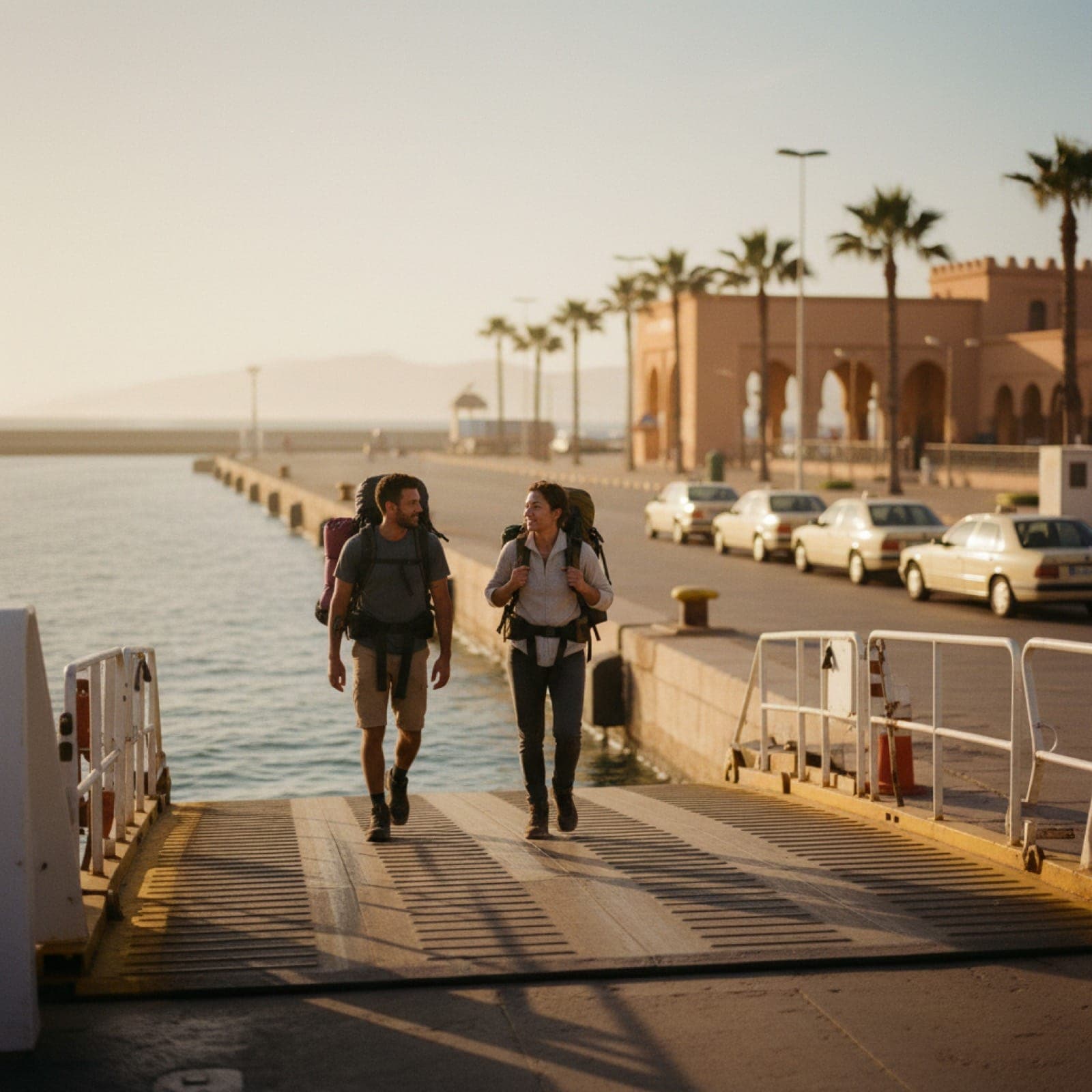
Think about where a solo woman's anxiety actually clusters: arriving jet-lagged to a taxi quoting triple, working out the bus to the next city, getting back to the riad after dark, being lost and visibly so in an unfamiliar place. A vetted private driver removes most of the day-to-day friction. The drivers we work with are local men we've used for years; they meet you at arrivals with your name on a card, handle every transfer, know which restaurants and stops are comfortable, and become a familiar, accountable presence for the whole trip rather than a stranger you're trusting blind each time. Most of our solo-female guests tell us this was the difference between "manageable" and "actually relaxing." If you're weighing it against self-driving, our honest comparison of renting a car versus hiring a driver lays out the real trade-offs, and whether it's safe to drive in Morocco yourself is worth reading before you decide — Moroccan roads and city traffic are a lot to take on solo and jet-lagged.
Is it safe to be out at night and to use transport alone?
Busy, well-lit areas are fine after dark; empty alleys are not, exactly as anywhere. Jemaa el-Fnaa hums until midnight with food stalls and families. For transport, a pre-booked driver beats a hailed taxi at night, especially from a station or airport.
The night-time rules are the same common sense you'd apply in any large city, just worth stating plainly. Stick to lit, foot-trafficked streets — in Marrakech the main square and its immediate surroundings stay lively late — and avoid wandering into empty residential cul-de-sacs alone after about 11 p.m. Petty-theft awareness (bag zipped, phone away in crowds) matters more at night than any other risk. For getting around, ride-hailing coverage in Morocco is patchy and inconsistent, so don't count on summoning a car the way you would at home; a driver arranged through your riad or operator is the reliable move for evenings and any early-morning departure. If you do take a street taxi, agree the fare first and, where you can, sit in the back. None of this should keep you in after dark — Moroccan cities are sociable at night and you should enjoy that — it's just about choosing the busy, lit version of every route.
In summary — so, can you do Morocco solo as a woman?
Yes, and tens of thousands of women do it every year. Morocco is physically safe for solo female travellers; the honest cost of entry is learning to let verbal hassle and pushy vendors wash over you, which takes a couple of days. Cover your shoulders and knees as a comfort lever, not a rule. Start somewhere gentle like Chefchaouen or Essaouira before the Marrakech medina. Recognise the faux-guide and "it's closed" scripts. Base yourself in a riad. And if you only do one thing to lower the stress, arrange a private driver — it removes more friction than anything else on this list. Travel aware, not afraid.
Planning a solo trip and want the friction handled?
If you'd rather travel solo without managing every taxi negotiation, navigation puzzle, and after-dark logistics call yourself, that's exactly the gap a private trip fills — and I'll say plainly it's one option with real trade-offs, not the only way to see Morocco. Plenty of women do it fully independently and love it. But if having a vetted driver, pre-booked riads, and a Moroccan team on WhatsApp would turn "manageable" into "actually relaxing," tell us your dates and what you want from the trip and we'll shape something honest around it. A calm Chefchaouen-and-north route is a popular soft landing for first-time solo travellers, or just tell us what you're imagining and we'll tell you straight whether a private trip is even the right call for you.
Written by
Amina Benkirane
Destination Editor
Writer and photographer covering the Maghreb. Ten years of wandering souks, kasbahs, and back roads most guidebooks miss.