Tetouan, Morocco's Andalusian white city, holds a UNESCO medina rebuilt by Granada's refugees plus a Spanish-protectorate town in the quiet north.
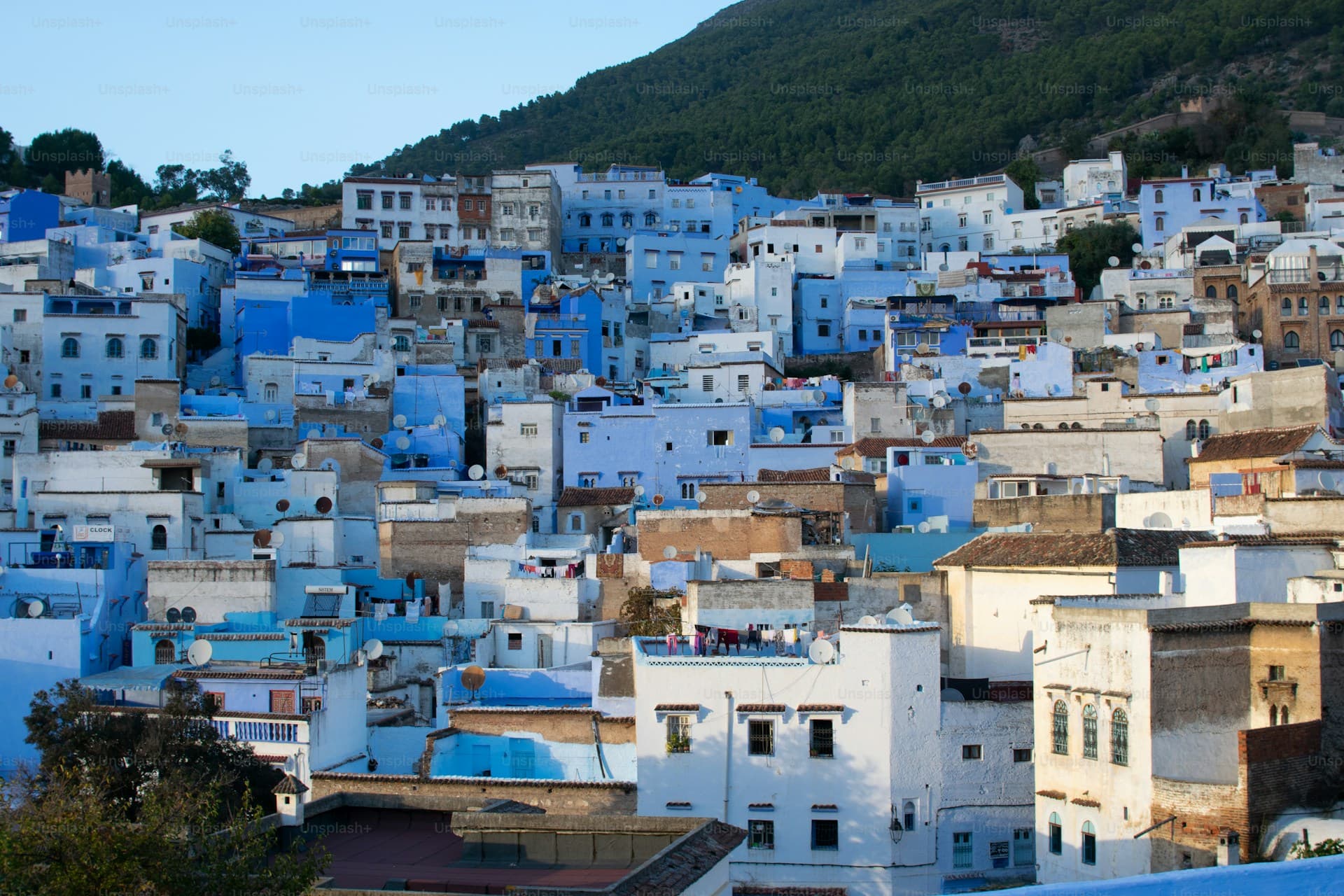
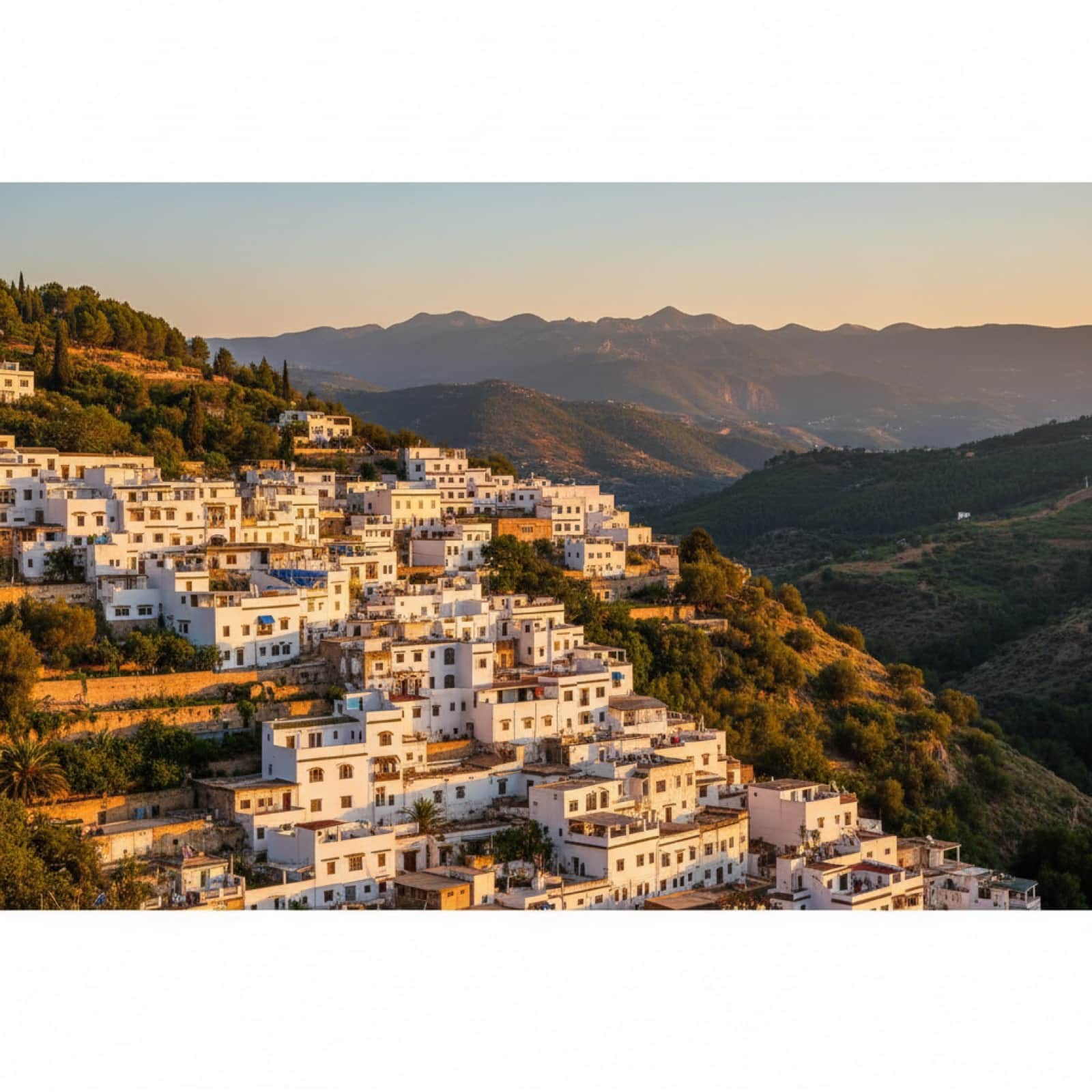
Tetouan is a whitewashed city in northern Morocco's Rif foothills, about 40 km south of Tangier, whose medina has been a UNESCO World Heritage Site since 1997. It was rebuilt from the late 15th century by Muslim and Jewish refugees expelled from Al-Andalus — especially Granada after 1492 — and served as capital of the Spanish Protectorate from 1912 to 1956. Locals still call it 'the daughter of Granada'.
Where is Tetouan and why is it special?
Tetouan sits in the foothills of the Rif Mountains in far-northern Morocco, only a short drive from the Mediterranean coast. The city of Tangier lies roughly 40 km north; the beach town of Martil is barely 20 minutes east.
What makes Tetouan special is how complete and undiluted it feels. UNESCO describes its medina as the most complete in Morocco and the least affected by later outside influences. After years guiding the north, I tell travellers it is the closest you can get to a Moroccan old town that has barely changed.
The setting matters too. Tetouan was historically the main point of contact between Morocco and Andalusia, a gateway between two worlds. That geography — mountains at its back, Spain across a narrow strait — explains why the city absorbed Andalusian and later Spanish influence so deeply while keeping its own Moroccan core intact.
Why is Tetouan called Andalusian?
When Catholic Spain completed the Reconquista, Muslims and Jews were expelled from Al-Andalus. Many crossed to Morocco, and a large wave from Granada after 1492 rebuilt Tetouan, carrying their crafts, recipes, and architectural taste with them.
That heritage is why the city is nicknamed 'the daughter of Granada.' Some Tetouani families are still said to keep the keys to the homes their ancestors left behind in Andalusia — a small, moving detail that tells you how deeply the memory runs.
The influence is not only architectural. Andalusian heritage shaped Tetouan's classical music, its embroidery patterns, and its cuisine, and the city was named to the UNESCO Creative Cities Network for Crafts and Folk Art in 2017. When you eat, listen, or shop here, you are experiencing a living culture that travelled across the sea five centuries ago.
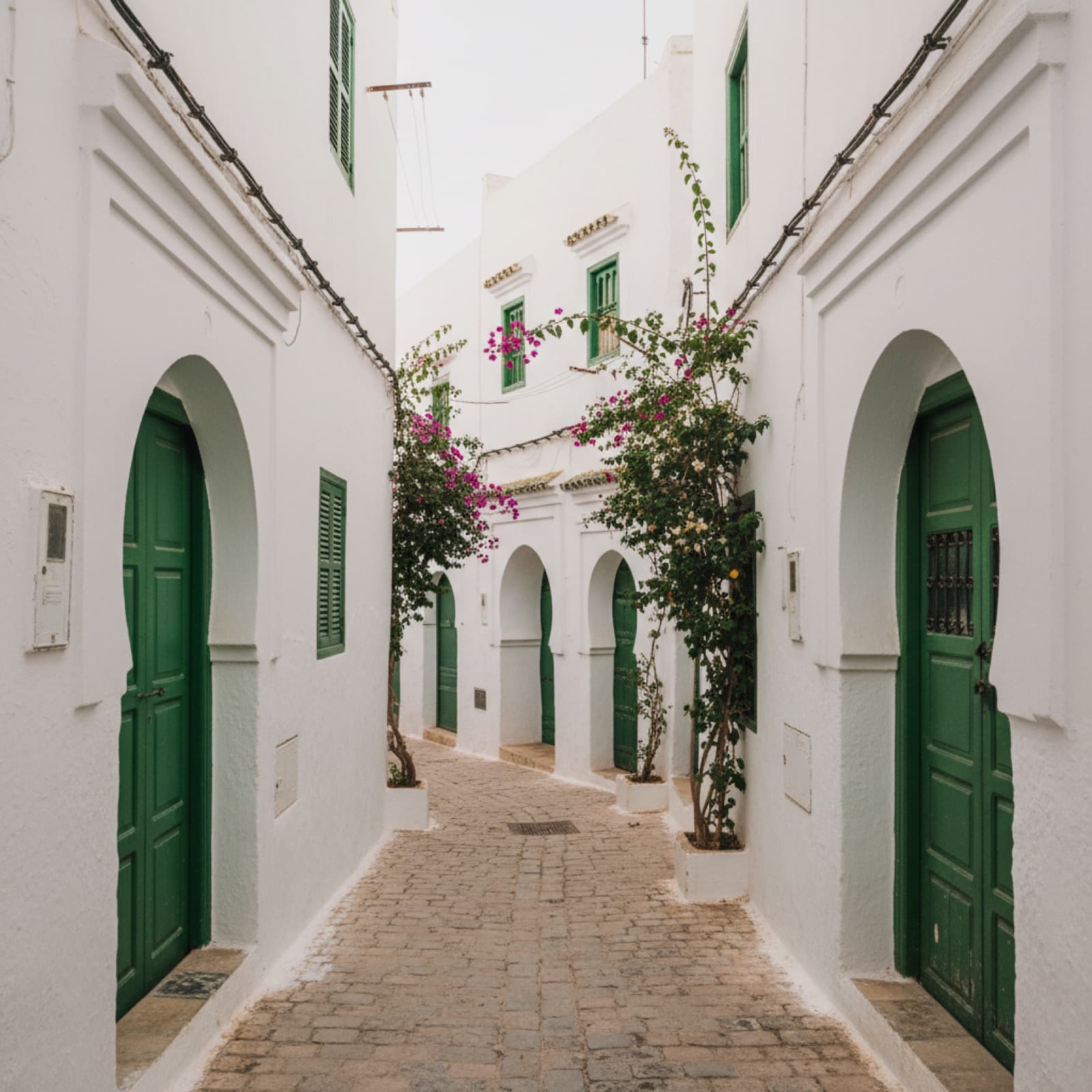
“When I walk first-timers through Bab El Oqla, I ask them to notice the white walls and the carved wooden doors. People expect Marrakech red; Tetouan answers in Granada white. It is the one Moroccan medina that feels Andalusian before it feels anything else.”
— Amina, Morocco Beauty Spots northern-Morocco guide
What is there to do in Tetouan's medina?
The medina is the heart of any visit. Enter through one of its seven historic gates, follow the narrow, deliberately winding lanes built for shade and protection, and you'll pass coppersmiths, weavers, and tile workshops still working by hand.
Look for the carved-wood ceilings, wrought-iron window grilles, and zellij tilework that mark the Andalusian style. The mellah — the historic Jewish quarter — is a quiet reminder that Tetouan was rebuilt by both Muslim and Jewish exiles. Plan two to three unhurried hours just for the medina.
Unlike the medinas of Fes or Marrakech, Tetouan's is small enough to wander without a fixed plan and rarely overwhelming. The lanes were designed narrow and winding on purpose — to give shade in summer and to slow and confuse any attacker. A local guide is still worth having, less for navigation than for the stories behind the doors.
A short list of what to prioritise inside and around the old town:
- The seven historic gates — Bab El Oqla is the most useful entry point near Dar Sanaa.
- Live artisan workshops: coppersmiths, leatherworkers, embroiderers, and zellij tile-cutters.
- The mellah (Jewish quarter), with its distinct facades and balconies.
- The covered souks for Andalusian-style crafts rather than mass tourist goods.
- Dar Sanaa, the Royal Artisan School, just outside the medina wall.
What's the Spanish influence in Tetouan?
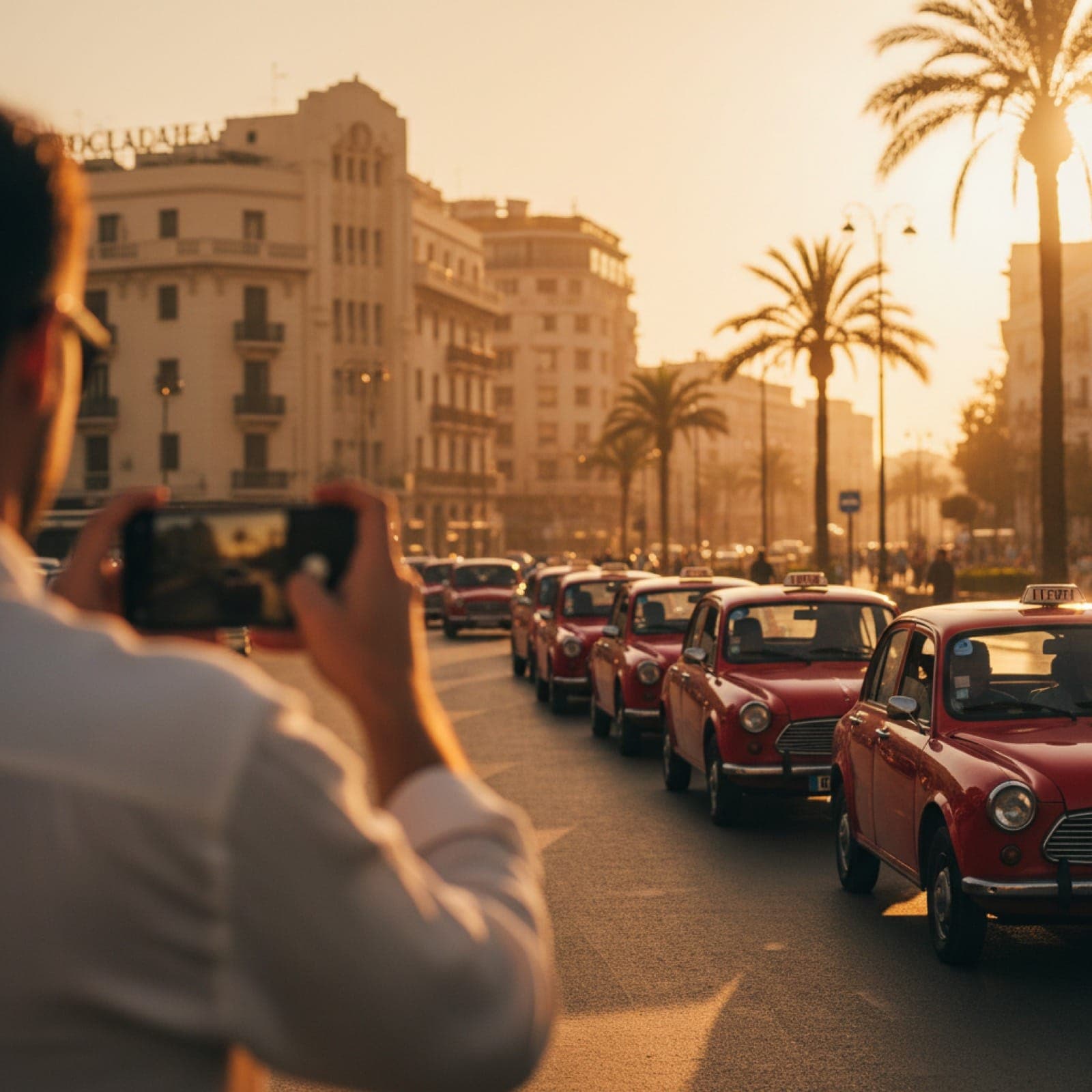
Tetouan was the capital of the Spanish Protectorate from 1912 to 1956, and that chapter left a second, very different city beside the medina. Spanish is still widely spoken here — more than anywhere else in Morocco — and you'll hear it daily in shops and cafés.
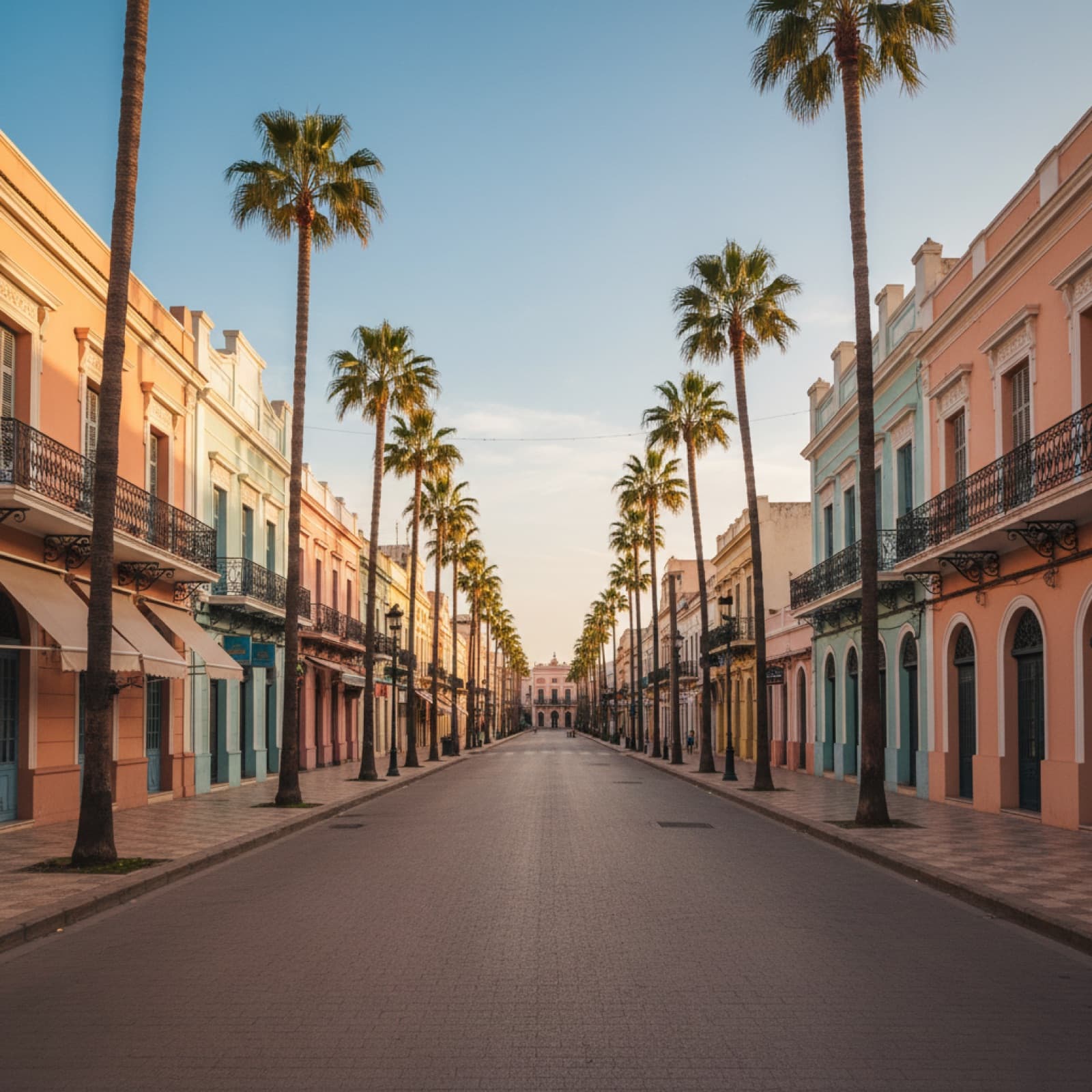
The clearest mark is the Ensanche, the planned Spanish 'new town' of wide boulevards, plazas, and European-style facades laid out beyond the old walls. Walking from the medina into the Ensanche is like stepping across a century in a few minutes.
The Ensanche even records its own history in stone: its buildings span traditional protectorate architecture of the 1910s and 1920s, a Republican phase in the early 1930s, and a Francoist phase through the 1940s and 1950s. For anyone interested in 20th-century history, it is one of the most coherent surviving examples of Spanish colonial town-planning in North Africa.
The other Spanish-era landmark worth your time is Dar Sanaa, the Royal Artisan School (the National School of Arts and Crafts). It was founded in 1919 during the protectorate, sits opposite Bab El Oqla, and still trains students in zellij, embroidery, woodwork, leather, and marquetry. Visiting lets you watch centuries-old techniques being taught today.
It was co-founded by the Spanish painter Mariano Bertucci alongside the Moroccan reformer Abdessalam Bennouna — itself a small symbol of how the two cultures collaborated here rather than simply collided. Inside the workshops you can see intricate zellij being cut by hand, painted wood drying, and embroidery worked thread by thread. For travellers who want to buy crafts, watching them made first changes what you choose and why.
How do you get there from Tangier or Chefchaouen?
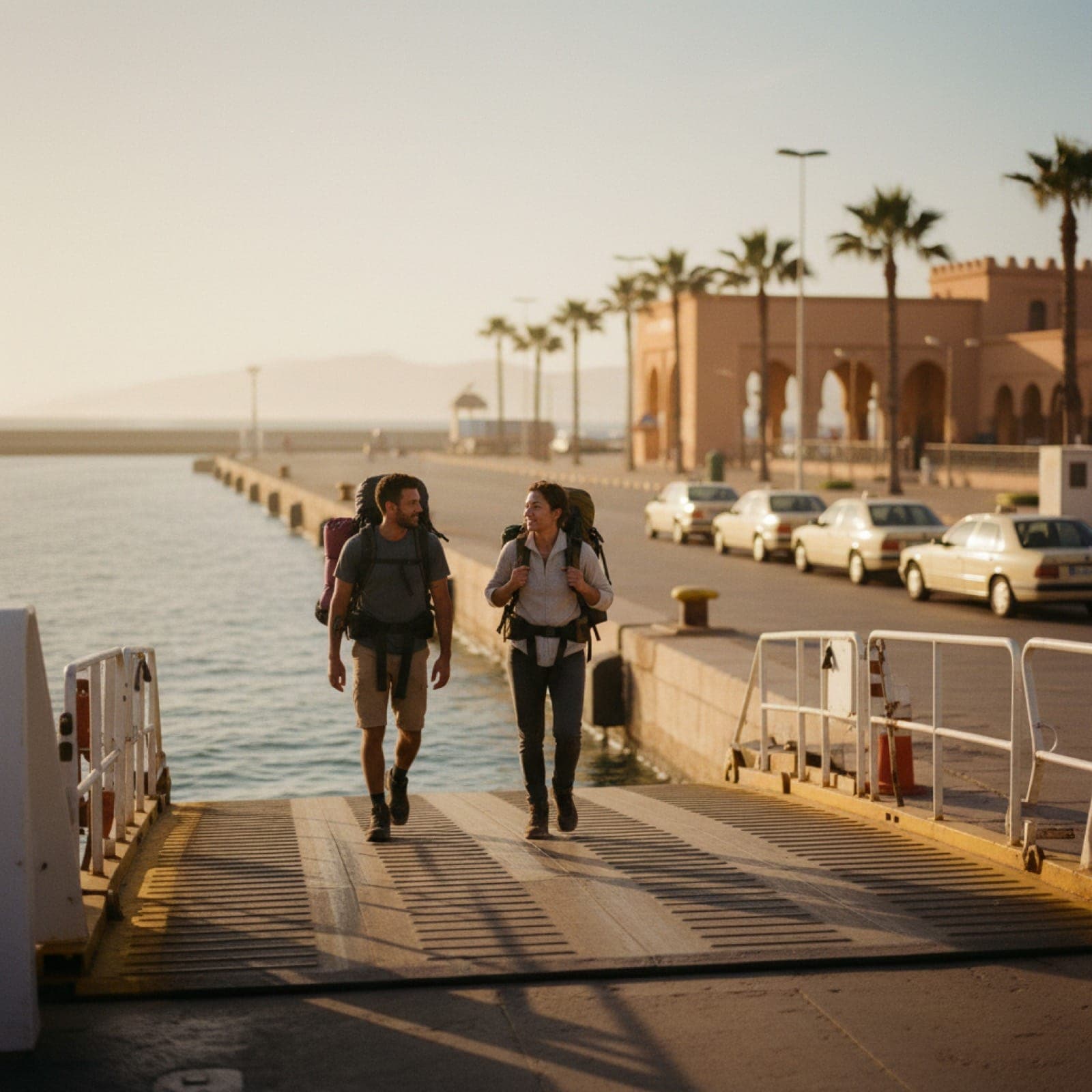
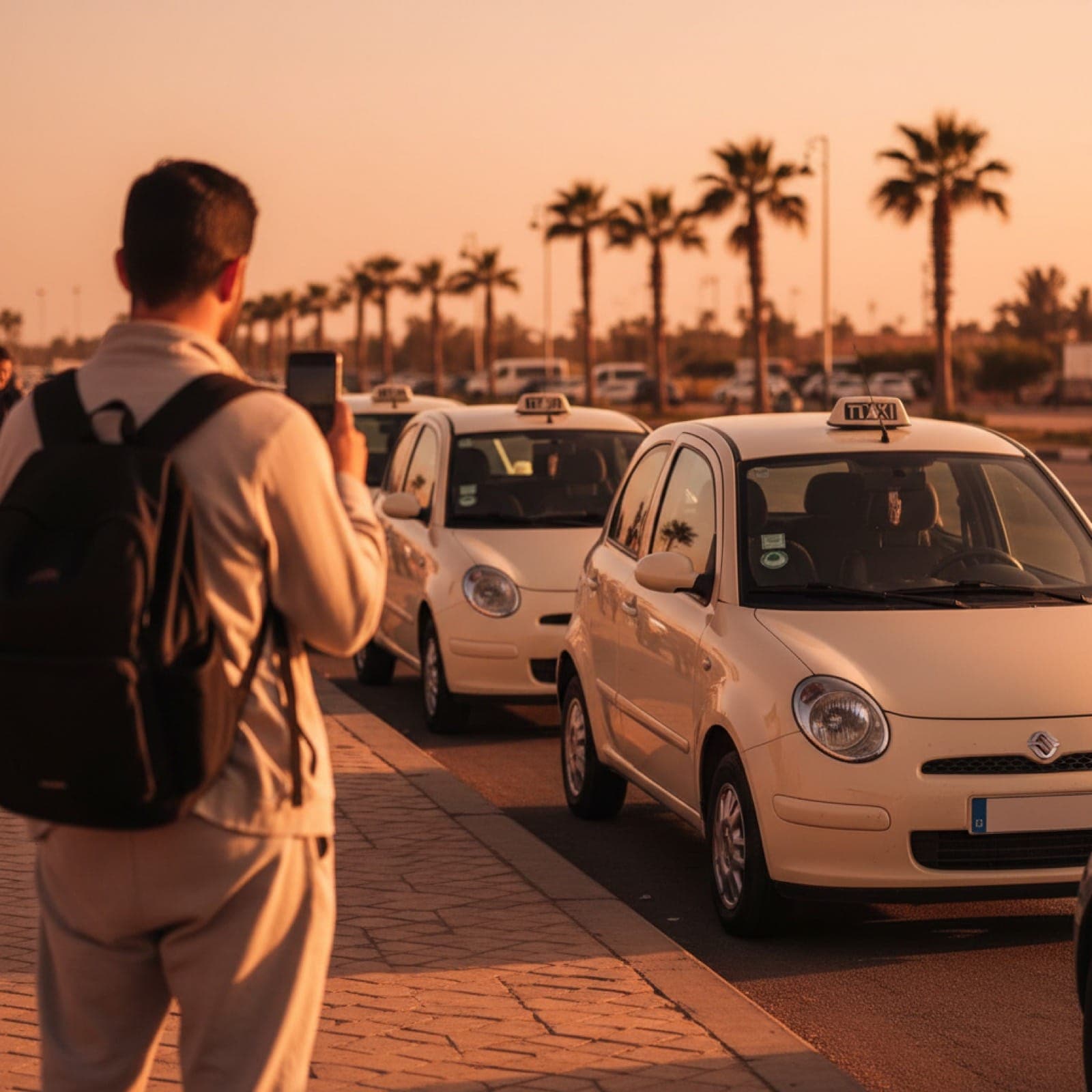
Tetouan is easy to reach by road. From Tangier it's about 40 km — roughly an hour by car, taxi, or bus. From Tangier's airport or port, many travellers fold Tetouan into a first or last day in the north.
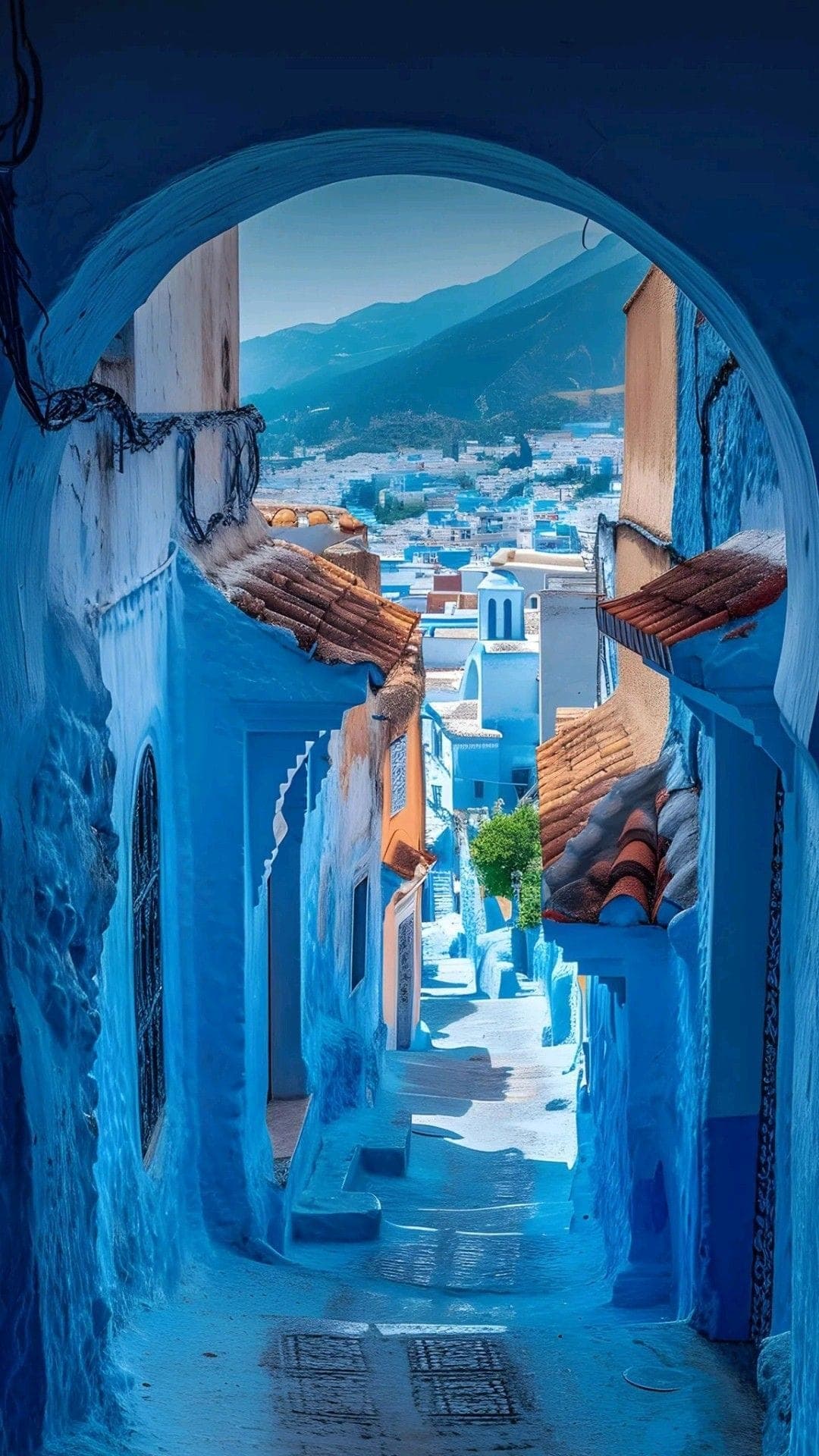
From Chefchaouen, the famous blue city, Tetouan is around an hour's drive north through the Rif. Because the two pair so naturally, we often visit Tetouan on the way in or out of Chefchaouen rather than as a separate trip. The coastal town of Tangier completes an easy northern triangle.
| Place / area | What it is | Why go |
|---|---|---|
| The medina | UNESCO World Heritage Site (listed 1997) | Morocco's most complete, least-Europeanised old town |
| The Ensanche | Spanish-protectorate 'new town' (1912-56) | Wide boulevards and European facades beside the medina |
| Dar Sanaa | Royal Artisan School, founded 1919 | Watch zellij, embroidery, and woodwork taught live |
| The mellah | Historic Jewish quarter inside the medina | Traces of the Jewish exiles who helped rebuild the city |
| Martil beach | Mediterranean beach town ~20 min east | A quick coast escape after the medina |
| Chefchaouen | The blue city, ~1 hour south | Pairs perfectly with Tetouan on a northern loop |
How long do you need in Tetouan?
Half a day covers the essentials: two to three hours in the medina, a walk through the Ensanche, and a stop at Dar Sanaa. That's enough to feel the Andalusian character without rushing.
If you want to slow down — add the mellah, a long lunch, and an afternoon at Martil beach — a full day is comfortable. Most of our travellers see Tetouan as a rich half-day woven into a Tangier-Chefchaouen route rather than a standalone destination.
There is no airport delay or long transfer to factor in here: because Tetouan sits between Tangier and Chefchaouen, you lose almost no travel time by adding it. That is exactly why we like building it into a northern loop — it deepens the trip without lengthening it. The best months to come are spring and autumn, when the Rif is green and the coast is warm but not crowded.
Is Tetouan worth visiting?
Yes — especially if you value authenticity over crowds. Tetouan gives you a UNESCO medina, a living Andalusian craft tradition, and a Spanish layer you won't find elsewhere in Morocco, all without the tour-bus density of the imperial cities.
It rewards travellers who like to look closely. If you only want headline sights, you may pass through quickly. If you care how Morocco was shaped by exile, craft, and two cultures meeting, Tetouan is one of the country's most quietly rewarding stops.
In summary: Tetouan earns its place on a northern itinerary because it offers something the better-known cities cannot. A 1997 UNESCO medina, a Spanish protectorate town beside it, living Andalusian crafts, and a calm, local atmosphere — all within an hour of both Tangier and Chefchaouen. It is the kind of place that turns a standard Morocco trip into a more personal one.
If you're planning the north, it's worth reading our guides to the blue pearl of Chefchaouen and to Morocco's Jewish heritage and mellahs, and checking the best time to visit Morocco before you lock in dates. Tetouan slots neatly into our 5-day Chefchaouen and northern Morocco tour, and when you're ready, our team can build the whole route around your pace through the trip planner.
Written by
Amina Benkirane
Destination Editor
Writer and photographer covering the Maghreb. Ten years of wandering souks, kasbahs, and back roads most guidebooks miss.