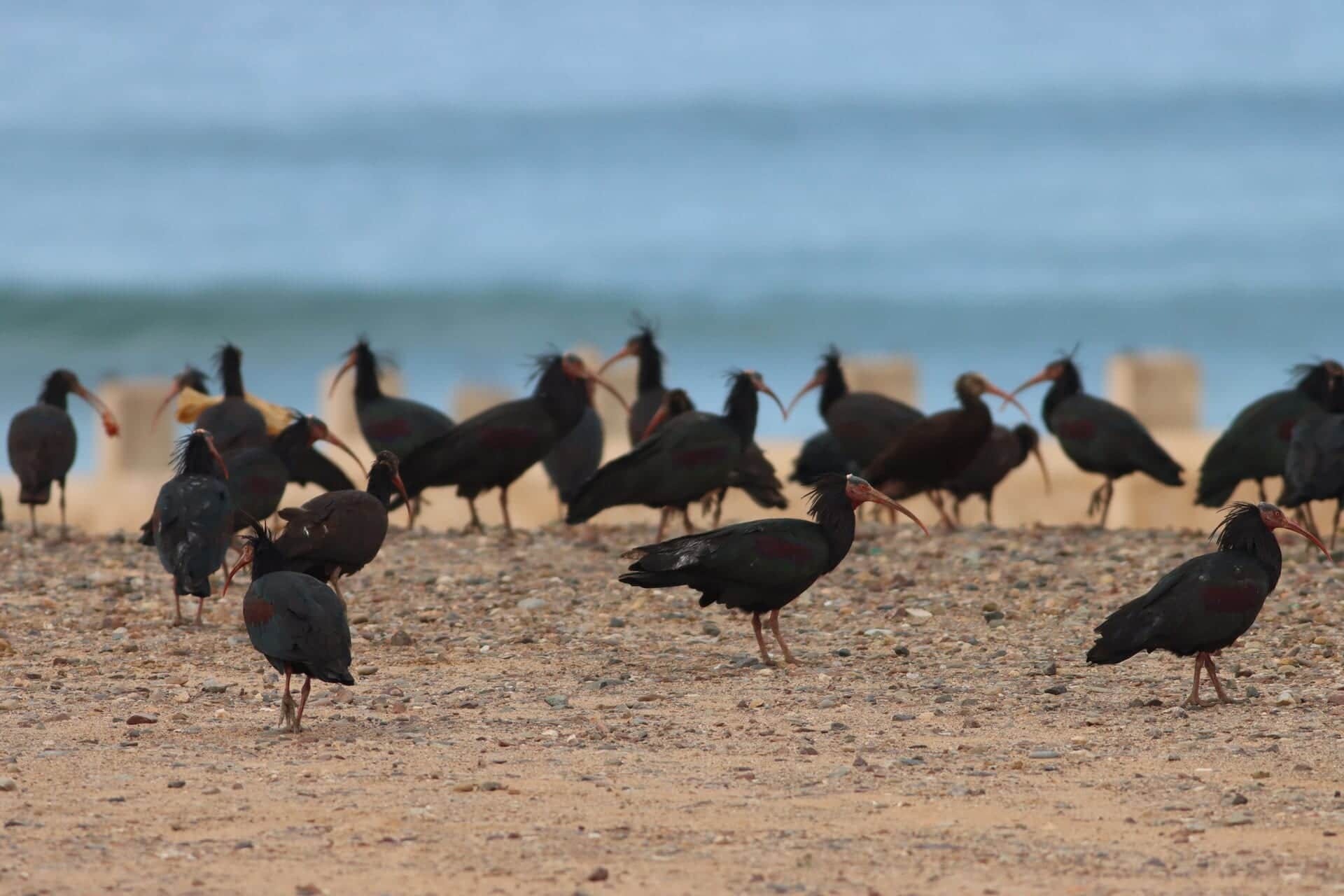
O Íbis-Calvo-do-Norte quase foi extinto — e o único lugar onde se pode ver de forma confiável uma população verdadeiramente selvagem é na costa atlântica de Marrocos. Aqui está onde (Souss-Massa e Tamri, perto de Agadir), quando, o que mais você verá e como observar uma das aves mais raras do mundo sem prejudicá-la.
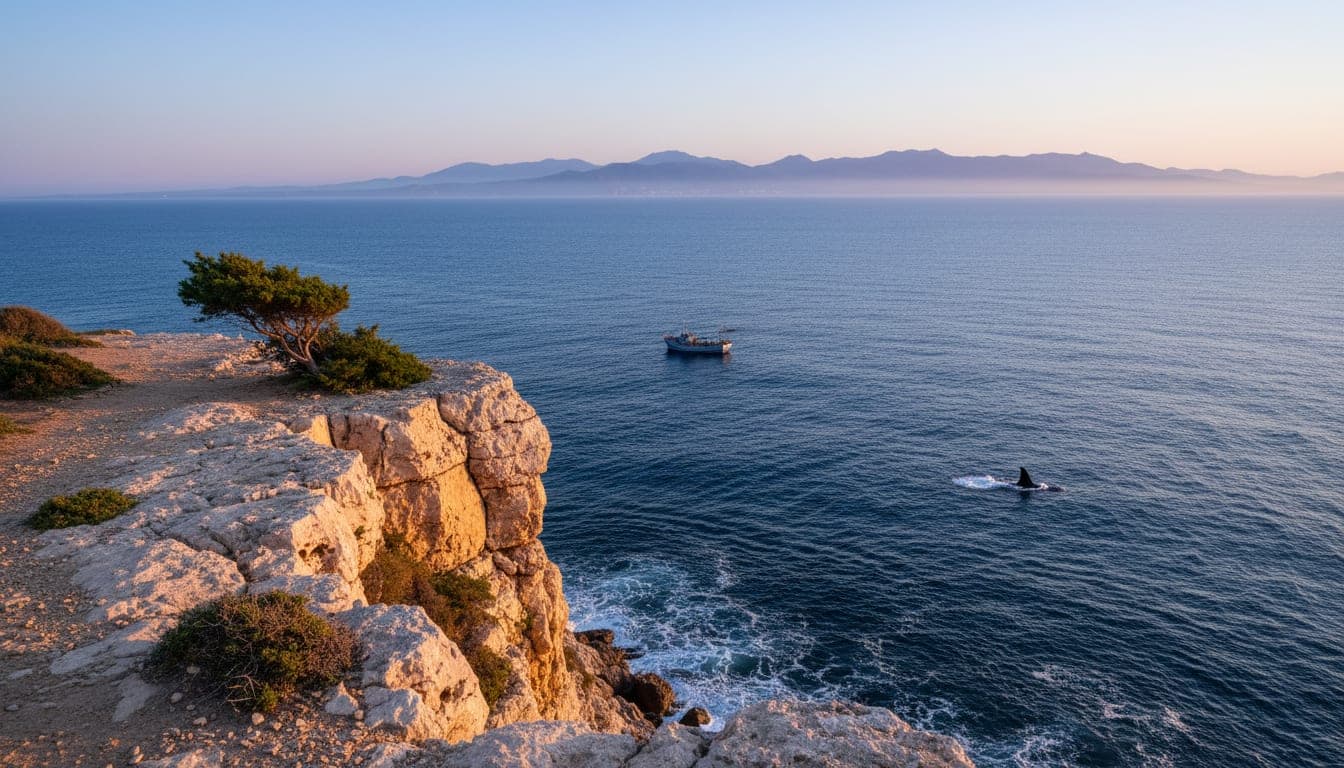
O único lugar na Terra onde se pode ver de forma confiável um Íbis-Calvo-do-Norte (Geronticus eremita) verdadeiramente selvagem é na costa atlântica de Marrocos, perto de Agadir. Dois locais abrigam as aves: o Parque Nacional Souss-Massa (cerca de uma hora a sul de Agadir) e a colónia de Tamri (cerca de 50 km a norte). Juntos, eles abrigam aproximadamente 95% da população reprodutora selvagem do mundo. Os melhores meses são do outono à primavera, perto dos locais de nidificação, a ave forrageia em pastagens costeiras baixas, e a regra mais importante é manter distância dos penhascos de reprodução. Este guia cobre exatamente onde ir, quando e como fazer isso corretamente.
Enviamos uma versão deste resumo aos clientes antes das nossas viagens de observação de aves, porque o íbis-calvo surpreende as pessoas duas vezes — primeiro que ele existe, e depois que observá-lo é uma das verdadeiras histórias de sucesso de conservação no mundo das aves. Há um século, esta espécie estava a caminho do esquecimento. O facto de ainda estar aqui, e ser observável, é toda a história.
O que é o Íbis-Calvo-do-Norte e por que é especial?
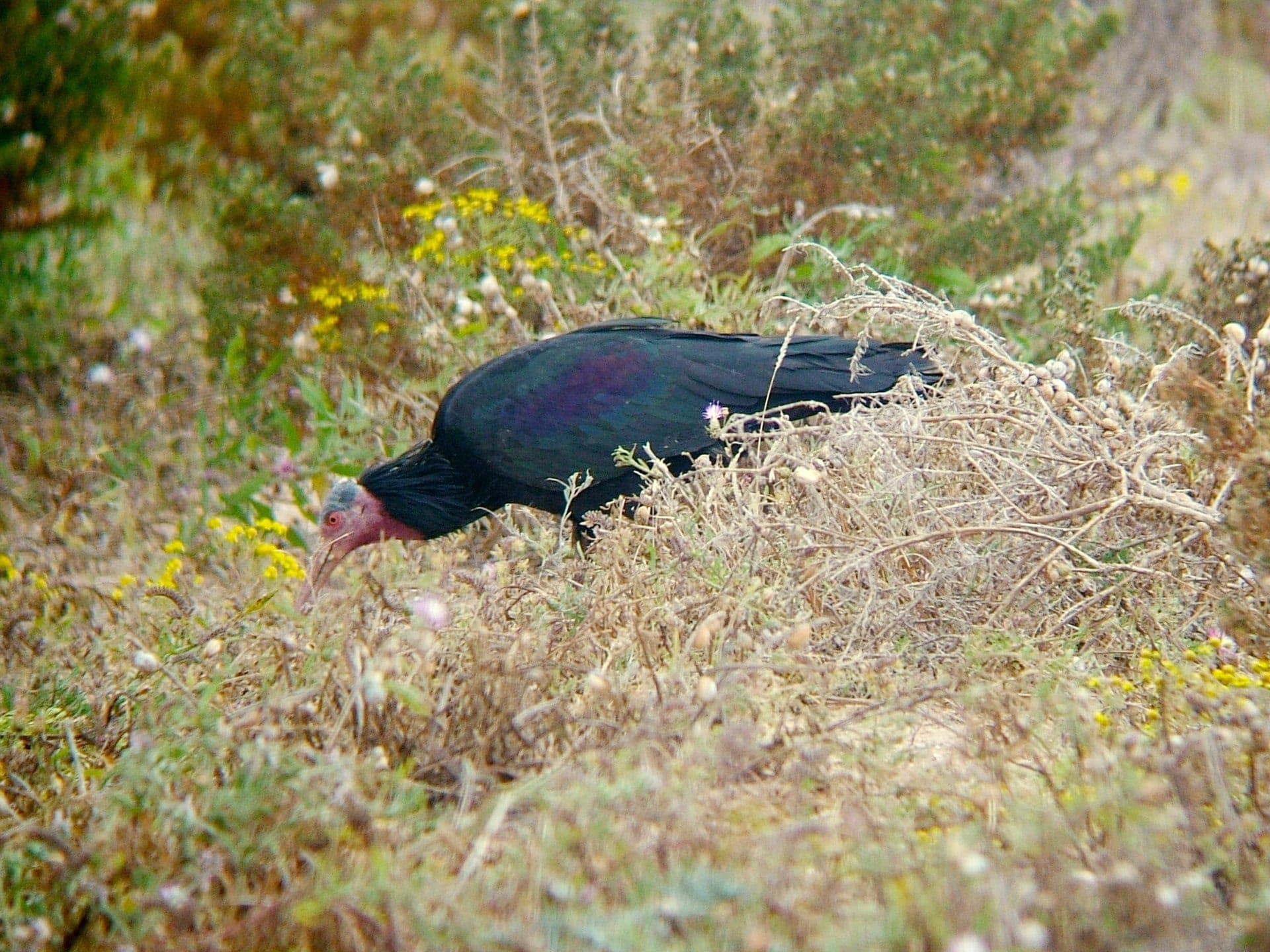
O Íbis-Calvo-do-Norte é um íbis grande, preto-brilhante com um brilho verde-bronze, uma cabeça e face vermelhas e nuas, uma gola de penas desgrenhada na nuca e um bico vermelho longo e curvado para baixo. Tem cerca de 70–80 cm de comprimento com uma envergadura de 1,25–1,35 m. Foi descrito por Linnaeus em 1758, era sagrado no antigo Egito (o modelo para o hieróglifo de 'Akh', um espírito ancestral abençoado), e outrora reproduzia-se por toda a Europa, Norte de África e Médio Oriente. Desapareceu da Europa há mais de 300 anos e diminuiu aproximadamente 98% entre 1900 e 2002 — razão pela qual ver um selvagem hoje é uma raridade.
Onde exatamente pode vê-lo — Souss-Massa ou Tamri?
Ambos, e idealmente ambos na mesma viagem. O Parque Nacional Souss-Massa, a sul de Agadir, protege o estuário do Oued Massa onde o íbis forrageia ao lado de mais de 250 outras espécies de aves — é o local de observação de aves mais rico em geral. Tamri, a cerca de 50 km a norte de Agadir, perto da foz do Oued Tamri, abriga quase metade das aves reprodutoras de Marrocos e é frequentemente o local mais confiável para observações próximas de forrageamento. Veja como eles se comparam:
| Local | Direção de Agadir | Melhor para | Nota |
|---|---|---|---|
| PN Souss-Massa (Oued Massa) | ~1 h a sul | Íbis + 250+ espécies, observação de aves estuarinas | Zona húmida Ramsar; local mais rico no geral |
| Tamri (foz do Oued Tamri) | ~50 km a norte | Forrageamento confiável de íbis de perto | Abriga ~metade das aves reprodutoras de Marrocos |
| Oued Souss (periferia de Agadir) | Em Agadir | Aquecimento: aves pernaltas, flamingos, gaivotas | Local fácil para a primeira tarde |
Quantos Íbis-Calvos-do-Norte restam, e ainda está criticamente em perigo?
A população selvagem marroquina recuperou para pouco mais de 500 aves — 708 indivíduos foram contados no início de 2019, um aumento em relação ao mínimo de 59 casais reprodutores em 1997. Com a força dessa recuperação, a IUCN rebaixou a espécie de Criticamente em Perigo para Em Perigo em 2018. (Muitas páginas de viagens ainda a chamam de 'criticamente em perigo' — isso está desatualizado.) Números maiores que você pode ler incluem aves em cativeiro e uma população europeia separada e reintroduzida de cerca de 270; uma pequena população selvagem também se restabeleceu perto de Cádiz, na Espanha. Mas Marrocos continua sendo o bastião global para aves verdadeiramente selvagens.
Qual é a melhor época para ver o íbis-calvo?
O íbis está presente durante todo o ano e é mais confiável de ser visto perto dos seus locais de nidificação no outono, inverno e primavera. Para a lista de aves mais ampla em geral, os períodos de pico de migração são março–maio e setembro–novembro, quando os estuários se enchem de aves pernaltas e patos de passagem, além do íbis residente. O início da manhã é o melhor — as aves forrageiam ativamente ao amanhecer, e você evita tanto o calor quanto as multidões.
O que mais você verá?
Souss-Massa é uma zona húmida Ramsar de 33.800 hectares e uma Área Importante para Aves com mais de 250 espécies registadas. Além do íbis, espere Flamingo-comum, o globalmente ameaçado Pato-marmoreado, Colhereiro-europeu, Gaivota-de-Audouin, Tchagra-de-coroa-preta e o brilhante endemismo norte-africano Rabirruivo-de-Moussier. O parque também executa programas de reintrodução para avestruzes norte-africanas e quatro antílopes do deserto — órix-cimitarra, adax, gazela-dama e gazela-dorcas.
Como observá-lo eticamente?
Uma regra acima de tudo: mantenha-se bem afastado dos penhascos de reprodução e nunca se aproxime de aves a nidificar. O íbis-calvo recuperou precisamente porque as suas colónias foram protegidas e deixadas em paz, e o Código de Ética de Observação de Aves da American Birding Association é explícito sobre manter distância, usar óticas em vez de se aproximar, e não divulgar locais de nidificação sensíveis, exceto às autoridades de conservação. Observe as aves a forragear na pastagem com binóculos ou um telescópio, fotografe à distância e deixe-as em paz. Se um guia ou operador o levar 'mais perto para uma foto melhor' numa colónia, esse é o operador errado.
Se quiser que seja organizado, o nosso tour Busca do Íbis-Calvo a partir de Agadir percorre Souss-Massa e Tamri durante quatro dias com um guia de aves credenciado, uma lista de espécies pré-viagem e a ética de não-aproximação incorporada. Se o fizer de forma independente, a mesma lista de verificação aplica-se — vá cedo, traga óticas, mantenha a distância, e terá uma das manhãs de vida selvagem mais discretamente notáveis que Marrocos oferece.
Escrito por
Youssef El Alaoui
Lead Morocco Specialist
Born in Fes, based in Marrakech. Designs private itineraries for Morocco Beauty Spots and still argues mint tea is best in the Atlas.