Morocco Beauty Spots
Circuito privado por Marruecos · Adventure

The Strait Cetacean & Cave

Tangier → Strait of Gibraltar • 3 Days

Adventure3 días
Desde$890por persona
4.9Planificar este viaje

Respuesta en 24 hSin depósito4×4 privado en todo el viaje

A 3-day expedition from Tangier into the Strait of Gibraltar to observe Iberian orca (Critically Endangered, IUCN) during the July–August bluefin tuna run, plus sperm and pilot whales April–October, paired with the Phoenician-era Hercules Cave and the Roman ruins of Cotta. Small groups (max 12), ACCOBAMS-compliant boat protocol, no feeding, no swim-with, and a conservation contribution to Strait of Gibraltar cetacean research (partnership in development). Departures fortnightly Jul–Aug.

The Strait Cetacean & Cave

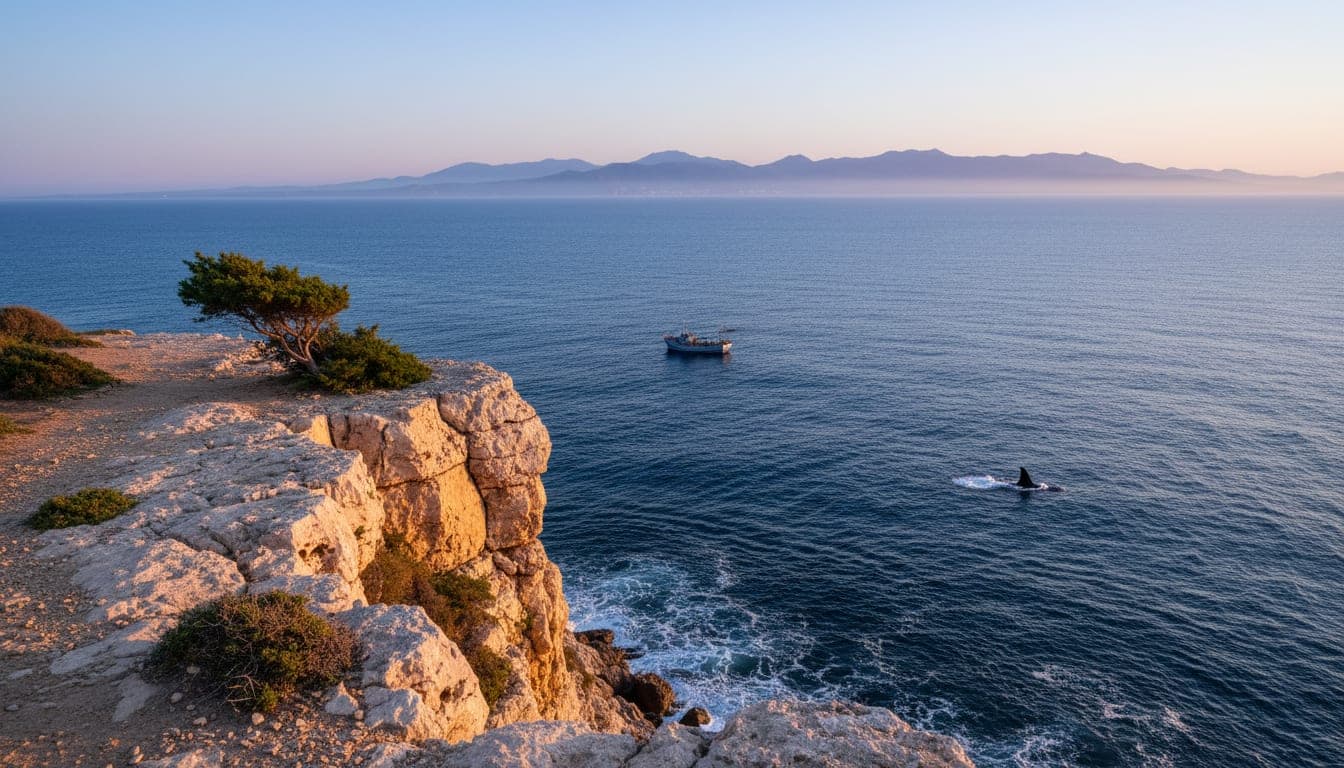
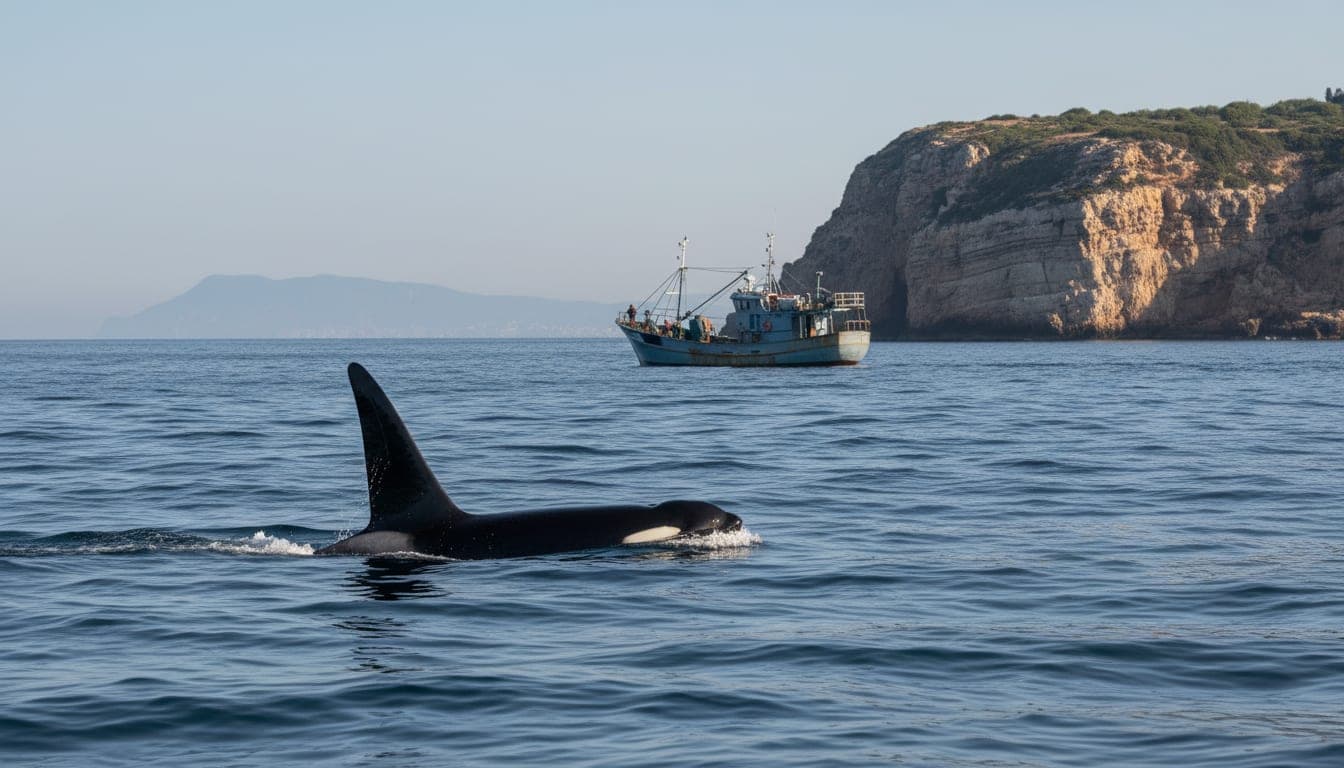
This is the tour I'd run if I'd seen the orcas hunting bluefin in the Strait once and decided no Morocco trip should sell anything else. Three days out of Tangier, two cetacean departures, and a coastline almost nobody puts in front of the standard Marrakech-to-Sahara crowd. The Iberian orca population is down to about forty-nine individuals — IUCN classifies them Critically Endangered — and they spend the Jul–Aug bluefin tuna run pulling fish from Moroccan fishing lines in plain sight. The Spanish side of the Strait runs the established whale-watching infrastructure out of Tarifa; the Moroccan side has the same animals, sometimes the same boats, and almost no Moroccan operator selling the experience. We do.

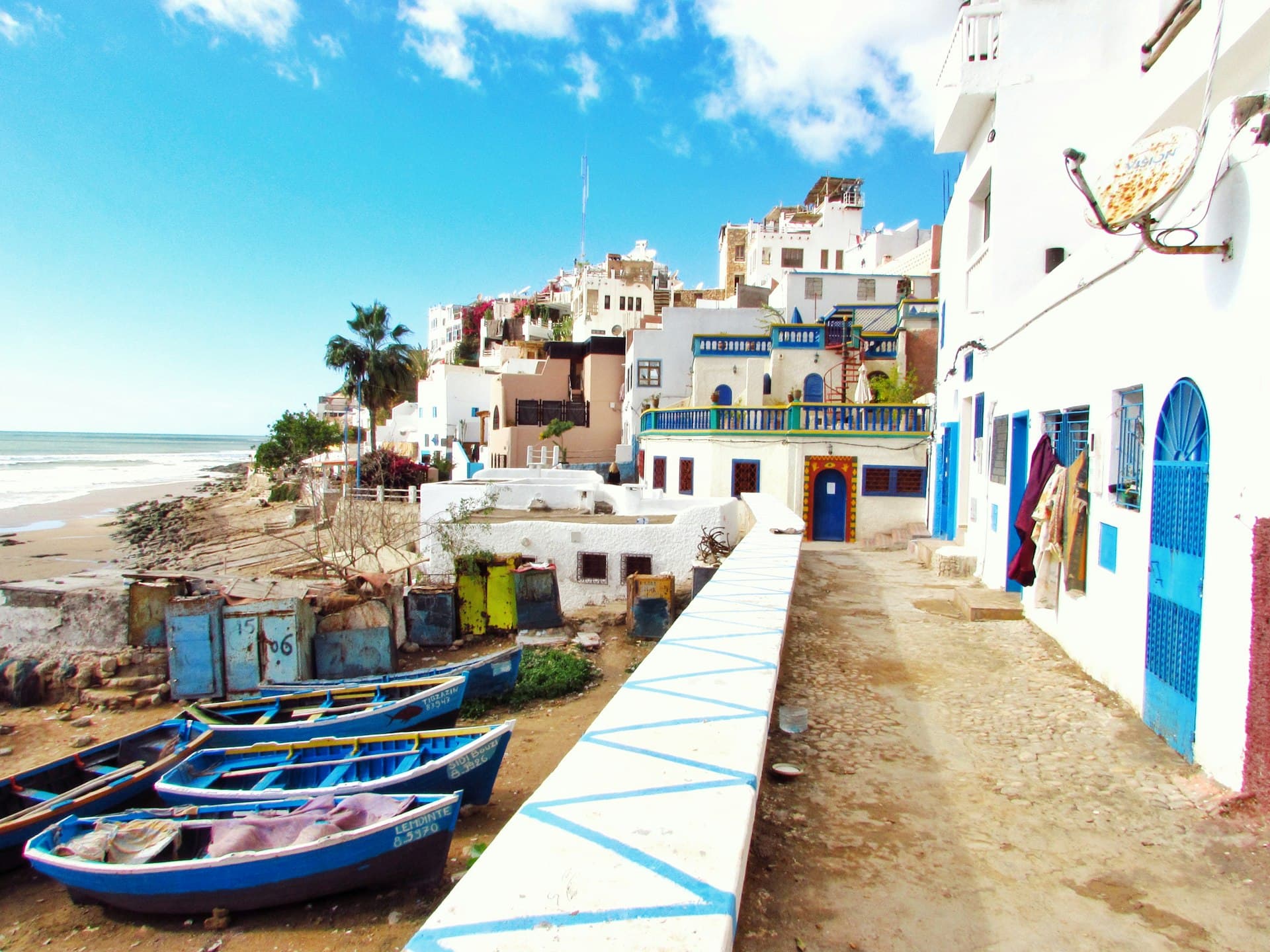
Day 1 is the build-up: pickup in Tangier, the medina at your pace, lunch at a Petit Socco café, and an afternoon at Cape Spartel where Atlantic meets Mediterranean. We walk down to Hercules Cave (Phoenician origin, the naturally Africa-shaped sea exit), then Cotta — the 1st-century-BC Roman ruins where salt-fish was salted for the empire — before checking in to a riad in the kasbah.

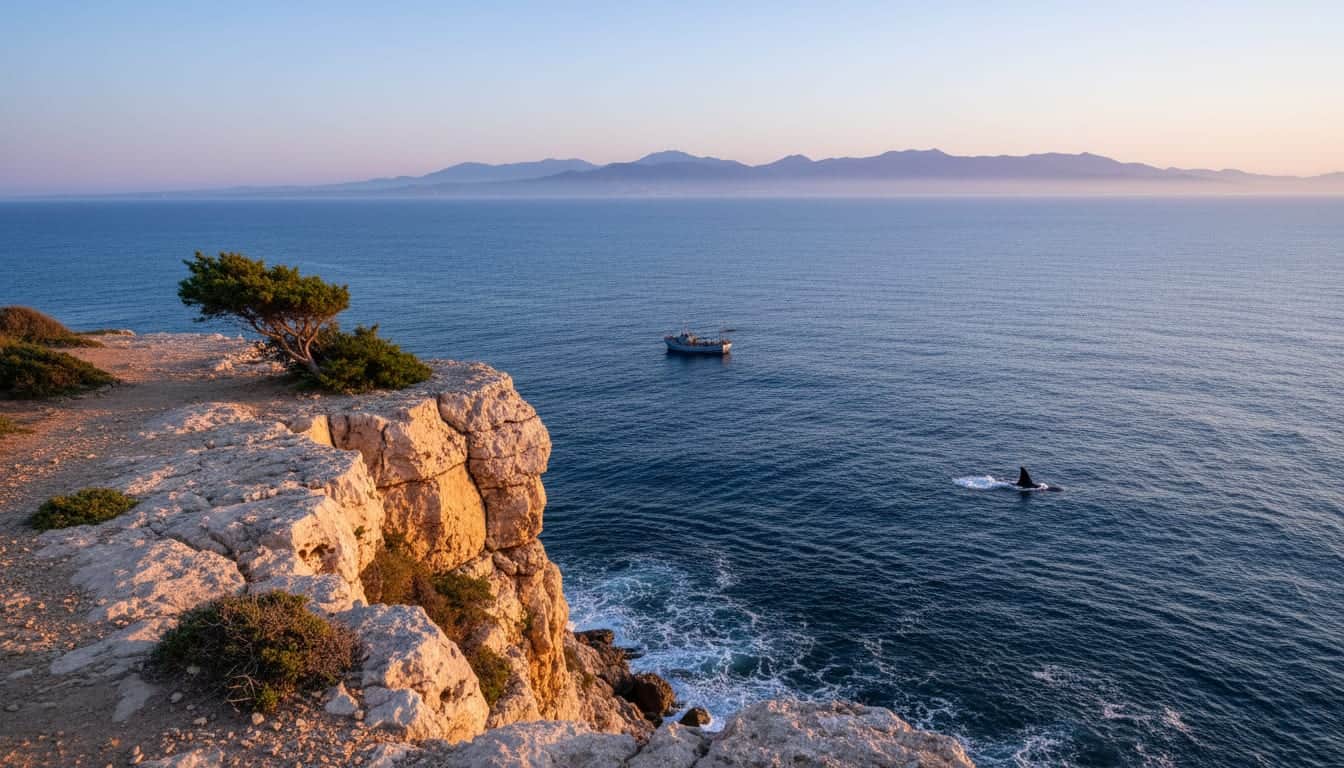
Day 2 is the cetacean day. A licensed boat (max 12 of us, plus crew and the marine biologist who's running the briefing) leaves Tangier port mid-morning. We work the productive water 8–10 nautical miles offshore. In Jul–Aug the orca pod is the target — CIRCE Foundation, the only organisation authorised to do scientific research on this population, has published a 25-year dynamics study and recently described the pod's acoustic dialect for the first time. The success rate on a Jul–Aug departure is around 70%. Off-window (Apr–Oct) the sperm whale, pilot whale, and common dolphin sightings are nearly daily. Either way we run a strict ACCOBAMS protocol: 100m approach, no swim-with, no feeding, engine off only outside 300m. If we don't find anyone, we still find someone — we have never had a no-cetacean day in the window.

Day 3 is the slowing down. Late breakfast, a second short departure for whoever wants it (no extra fee), or you can stay ashore for the kasbah viewpoint, the American Legation Museum, and lunch on the harbour. We drop you at Tangier-Med ferry, Tangier-Ibn-Batouta airport, or back at the riad on a flexible window.

We're establishing a conservation partnership to direct a fixed share of every tour fee into Strait of Gibraltar cetacean research, and we'll publish the contribution and the named project once the partnership is signed. What we already guarantee, today: we do not sell Agadir dolphin shows, captive-cetacean experiences, or any encounter where the animal isn't choosing whether to be there. If that's a deal-breaker for you, it's a deal-breaker for us too.

Lo más destacado del viaje
  • Iberian orca observation in the Jul–Aug bluefin tuna run — ~49-individual population, IUCN Critically Endangered, hunted alongside Moroccan fishermen
  • Sperm whale, pilot whale, common dolphin, striped dolphin — viable Apr–Oct sightings across the species mix
  • ACCOBAMS-compliant protocol: 100m minimum approach, no engine cut <300m of pod, no feeding, no swim-with
  • Departures from Tangier port (the Moroccan side of the Strait) — most orca-watching is run from Tarifa in Spain; we run the under-served Moroccan flank
  • Hercules Cave at Cape Spartel — naturally Africa-shaped sea exit, Phoenician origin
  • Roman ruins of Cotta (1st-century BC salt-fish factory) at Achakar, walking distance from the cave
  • Small group (max 12) on a licensed cetacean boat with a credentialed marine biologist on board
Día a día

Día a día

  1. Día 1

    Tangier arrival → medina → Cape Spartel → Hercules Cave → Cotta

    Pickup at Tangier-Ibn-Batouta airport or Tangier-Med ferry by your guide. Drop bags at the kasbah riad. Walk through the medina to Petit Socco for a slow lunch — mint tea and grilled sardines at a café that's been there since the Beat Generation drank there. Mid-afternoon drive west to Cape Spartel (the headland where the Atlantic and Mediterranean technically meet). Descend on foot to Hercules Cave — Phoenician origin, with the sea exit naturally cut in the silhouette of Africa. Five minutes' drive south to the Roman ruins of Cotta: a 1st-century-BC garum factory where salt-fish was processed for export across the empire. Sunset on the cliffs above Achakar beach. Dinner at the riad — tagine, the kasbah from your terrace.

    Noche en destino

  2. Día 2

    Cetacean departure (Strait of Gibraltar) + afternoon kasbah

    Early breakfast at the riad. Walk to Tangier port for the morning briefing — your marine biologist guide will run through the species inventory, the ACCOBAMS protocol, and what we're realistically looking for given the date. Boat (licensed, max 12 of us, marine VHF, professional skipper) departs around 09:30. We work the productive water 8–10 nautical miles offshore — in Jul–Aug, the orca pod hunts bluefin tuna alongside Moroccan fishing crews; outside the orca window, sperm whale (Apr–Oct), pilot whale (year-round), common dolphin, and striped dolphin are the expected mix. Lunch on board. We're back at port by 15:30. Afternoon: walk the kasbah, terrace tea at a hilltop café (the views run all the way to Tarifa and Cape Trafalgar), dinner at the riad or a recommended seafood place by the harbour.

    Noche en destino

  3. Día 3

    Optional second cetacean departure / American Legation / departure

    Choose your morning: a second cetacean departure at no extra fee (recommended if Day 2 was rough seas or sighting was thin), or stay ashore for the American Legation Museum (Tangier's oldest US diplomatic property, beautifully restored), the kasbah viewpoint, and a long lunch on the harbour. Mid-afternoon transfer to your onward — Tangier-Med ferry to Tarifa (35 minutes if you're continuing into Spain), Tangier-Ibn-Batouta airport (international and domestic), or onward overland to Chefchaouen / Fes. Flexible drop window.

    Fin del viaje

Qué está incluido

  • Two cetacean boat departures from Tangier port (Day 2 + optional Day 3)
  • Licensed cetacean boat, max 12 guests, professional skipper + onboard marine biologist guide
  • Pre-departure species briefing + ACCOBAMS protocol orientation
  • All ground transport in Tangier (airport / port pickup + on-land tour days)
  • Two nights mid-range or luxury kasbah riad (en-suite, breakfast included)
  • Lunch on board both cetacean departure days
  • Dinner Day 1 at the riad; dinner Day 2 at the riad or a partner restaurant (your choice)
  • Cape Spartel + Hercules Cave + Cotta + American Legation entrance fees
  • A conservation contribution from every tour fee to Strait cetacean research (partnership being finalised; contribution and recipient published once live)

No incluido

  • International flights to/from Morocco
  • Tangier-Med to Tarifa ferry (if continuing into Spain — booked separately, ~€35 each way)
  • Onward Morocco transport (Chefchaouen / Fes — bookable as an extension)
  • Lunches in town on Day 1 and Day 3
  • Travel insurance (strongly recommended; sea-based tours have a different risk profile than overland)
  • Personal optics — bring 8×42 or 10×42 marine binoculars if you have them; loaners on request
Iberian orca population
~49 individuals (Critically Endangered, IUCN)
Orca window
Jul–Aug, sighting rate ~70% on a single departure
Species likely Apr–Oct
Sperm whale, pilot whale, common dolphin, striped dolphin
Conservation contribution
Share of every tour fee to cetacean research (partnership in development)
I built this tour after watching the Strait orcas hunt bluefin once and realising no Moroccan operator was selling the experience honestly. There are only about forty-nine of these orcas left — the population can't carry pressure, so the boat protocol isn't marketing, it's the whole point. Our guests come back from the day with a different kind of attention than a camel ride gives them.
Youssef El Alaoui· Lead Morocco Specialist, Morocco Beauty Spots
Respuesta en menos de 24 horasCon base en Marrakech, MarruecosHabla con Youssef →
Voces de viajeros

Lo que dicen viajeros pasados

  • Sophie & Marc

    Sophie & Marc

    París, Francia

    El mejor viaje de nuestra vida. Nuestro guía conocía cada pueblo, cada mirador, cada riad escondido. Siete días en Marruecos valieron un mes en otro sitio.
  • James H.

    James H.

    Londres, Reino Unido

    Todo encajó a la perfección desde que aterrizamos en Fez al campamento del Sáhara y de vuelta a Marrakech. La noche bajo las estrellas no se me va a olvidar.
  • Ana Rodrigues

    Ana Rodrigues

    Lisboa, Portugal

    Organizados, cercanos, profesionales. Nos armaron el viaje a nuestra medida y nos dejaron total libertad para parar en cualquier punto del camino.
Antes de reservar

Lee esto primero si aún estás investigando

Preguntas, respondidas

The Strait Cetacean & Cave — preguntas frecuentes

When can I see orcas in the Strait of Gibraltar from Tangier?
July and August are the peak window. The Iberian orca pod tracks the bluefin tuna run through the Strait during those two months, and the population is at its most active and most visible. CIRCE Foundation's 25-year dataset puts the single-departure sighting success rate at roughly 70% in this window. Outside Jul–Aug, orca encounters are not realistic; we do not run the orca-targeted tour Sep–Jun.
What other cetaceans can I see year-round?
Sperm whales (Apr–Oct), pilot whales (year-round), common dolphins (year-round) and striped dolphins (year-round) are the working species mix. Sightings of at least one of these are near-daily on an Apr–Oct departure. We can run a 'cetacean shoulder season' version of this tour in May–June and September–October aimed at the broader cetacean inventory rather than the orca pod specifically.
What's the success rate for orca sightings?
About 70% on a single Jul–Aug departure, based on CIRCE Foundation data. We schedule two cetacean departures per tour (Day 2 mandatory, Day 3 optional at no extra fee) — two attempts push the combined sighting probability closer to 90% across a tour. We do not guarantee sightings, and we never sell certainty on wild animals.
How is this different from the Tarifa-side whale-watching tours?
Same Strait, same animals, different flag. Tarifa has a mature whale-watching market — multiple licensed operators, established infrastructure, and short, low-cost half-day trips. Tangier has the same waters, the same orca pod hunting on the African flank of the Strait, and almost no Moroccan-side operator running the experience. Our tour is the Moroccan-side version with the medina, the kasbah, Hercules Cave, and Cotta woven in, and a direct funding line to CIRCE — the research organisation actually studying the pod.
Is whale watching ethical here? What's the protocol?
Yes if you follow ACCOBAMS guidelines, which we do: 100m minimum approach, no engine cut closer than 300m of a pod, no swim-with, no feeding, no chumming, no chasing. The boat we use is licensed by Moroccan maritime authority and the skipper is briefed on the protocol; the onboard marine biologist enforces it. If a guest asks to break protocol, the answer is no.
What happens if we don't see anything?
Day 2 is your main cetacean departure; Day 3 has an optional second departure at no extra fee, which is why we include it. The combined two-day success rate for at least one cetacean species (any species) is near 100% Apr–Oct, and around 90% for orca specifically in Jul–Aug. If neither departure produces any sighting at all, we credit 50% of the cetacean-day portion of the tour fee toward a return trip in the next 24 months. We've never had to issue that credit.
Do I need a permit to do this tour?
No — guests don't need a permit. The boat operator needs a Moroccan maritime cetacean-watching licence, which our partner holds. ACCOBAMS-protocol compliance is documented per departure.
Are children welcome?
Kids 8 and over are welcome. The boat day is long (6–8 hours), the sea can be rough in the Strait even in summer, and a small child who's not enjoying it has nowhere to go for hours. We've run successful family departures with children 8–14; younger than 8 we politely steer toward a different tour.
How does the conservation contribution work?
We're finalising a conservation partnership to direct a fixed share of every booked tour fee into Strait of Gibraltar cetacean research, published annually with the named project once the agreement is live. CIRCE — Conservation, Information and Research on Cetaceans — is the only body authorised by Spanish and Moroccan authorities to scientifically study the Strait orca population, and is the kind of programme this contribution is designed to support. Until the partnership is signed we don't quote a specific recipient or percentage on the booking page — we'd rather under-promise and publish the real figure than print a number we haven't yet committed.
Can I add Chefchaouen or Fes after the Strait tour?
Yes. Chefchaouen is 2.5 hours overland from Tangier — easy 2-day add-on for the Blue Pearl medina (see [The Blue Pearl tour](/tours/5-days-chefchaouen)). Fes is 4.5 hours by car or 2 hours by Al Boraq high-speed train — we can build a 3 or 5 day Fes extension. Both extensions are flexible and we'll quote on request.
Paradas del tour

Adónde irás

Ver todo

¿Quieres este viaje, a tu medida ?

Cuéntanos tus fechas y tu ritmo. Nuestros especialistas en Marruecos responden en menos de 24 horas con un plan privado, día a día.

Planificar este viaje