The Sacred Music Road is a 10-day journey along the spine of Morocco's devotional music, from the Sufi brotherhoods of Fes to the great Gnaoua festival on the Atlantic at Essaouira. It is built for the traveller who understands that this music is not a show — it is worship, trance, lineage, and memory — and who wants to hear it where it lives, with someone who can name what's happening and why it matters.
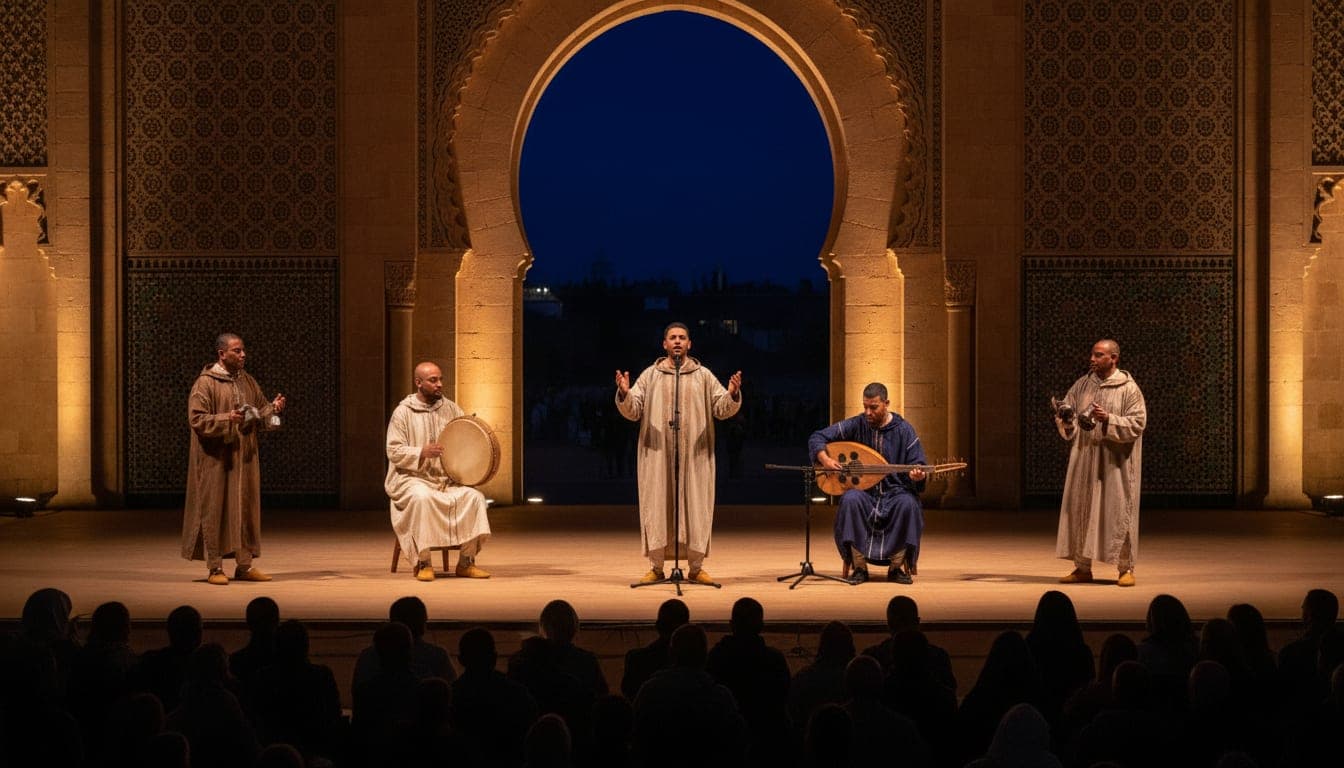
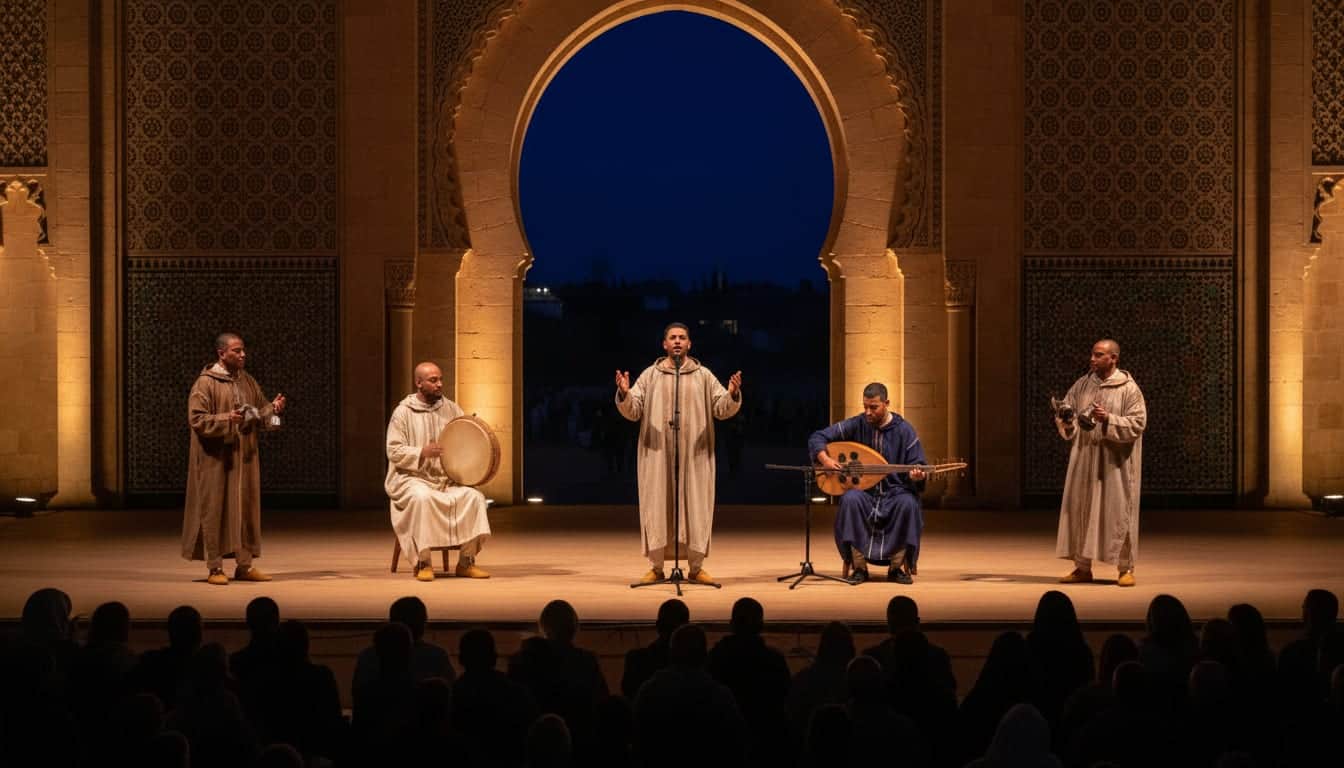
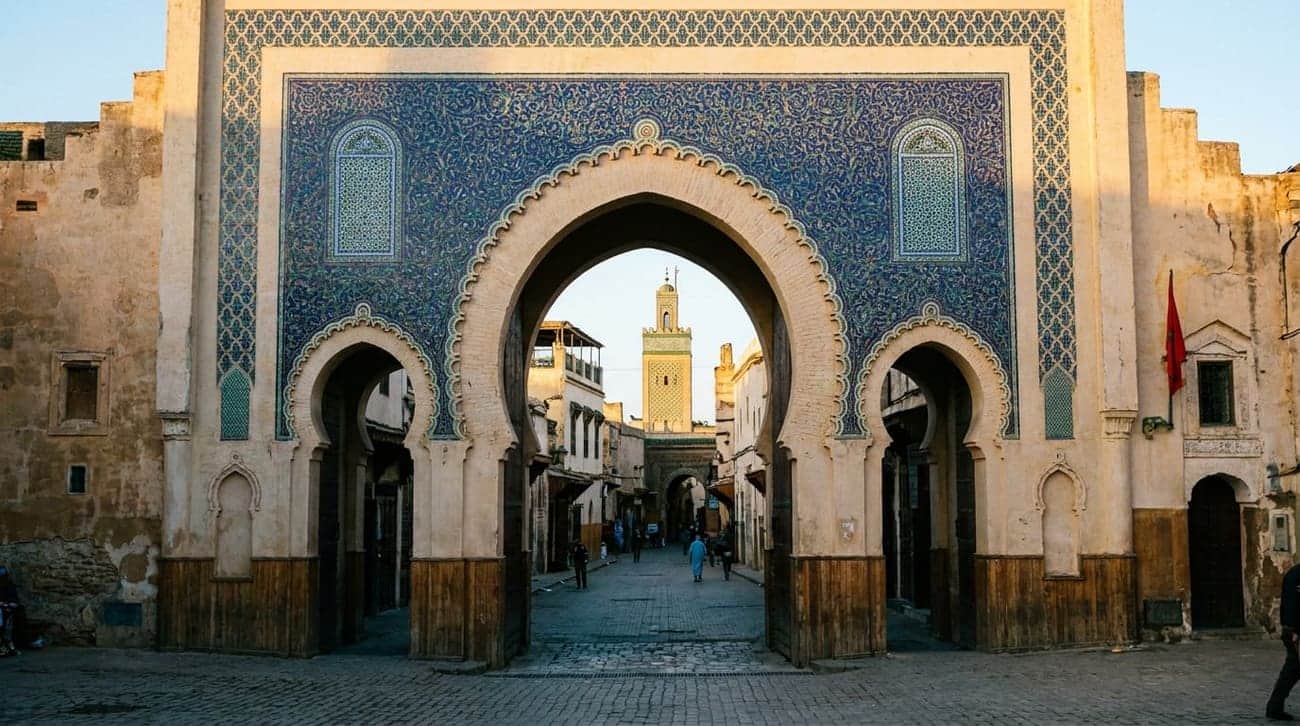
We begin in Fes, the spiritual capital, with the Sufi sacred-music tradition: private sessions with the Aïssawa and Hamadcha brotherhoods, whose hadra (the rhythmic, repetitive devotional ceremony) carries participants toward trance. Fes is also the home of the Festival of World Sacred Music, founded in 1994; its 2026 dates (the 29th edition) had not been officially confirmed at the time of writing, so we don't build the tour around them — but when they're announced and they suit your travel, we'll work the festival in. The music here does not depend on a festival; the brotherhoods are the festival's source.
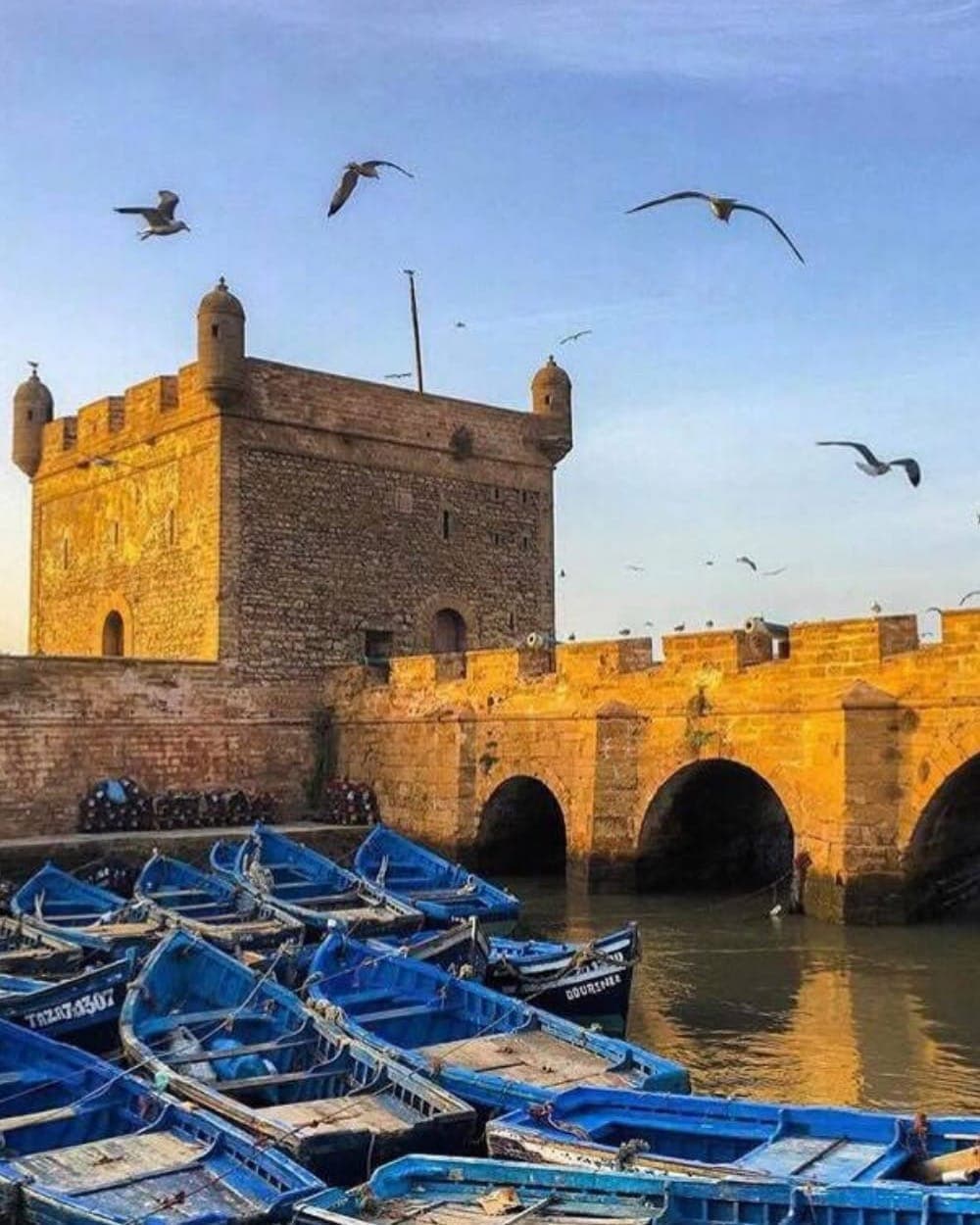
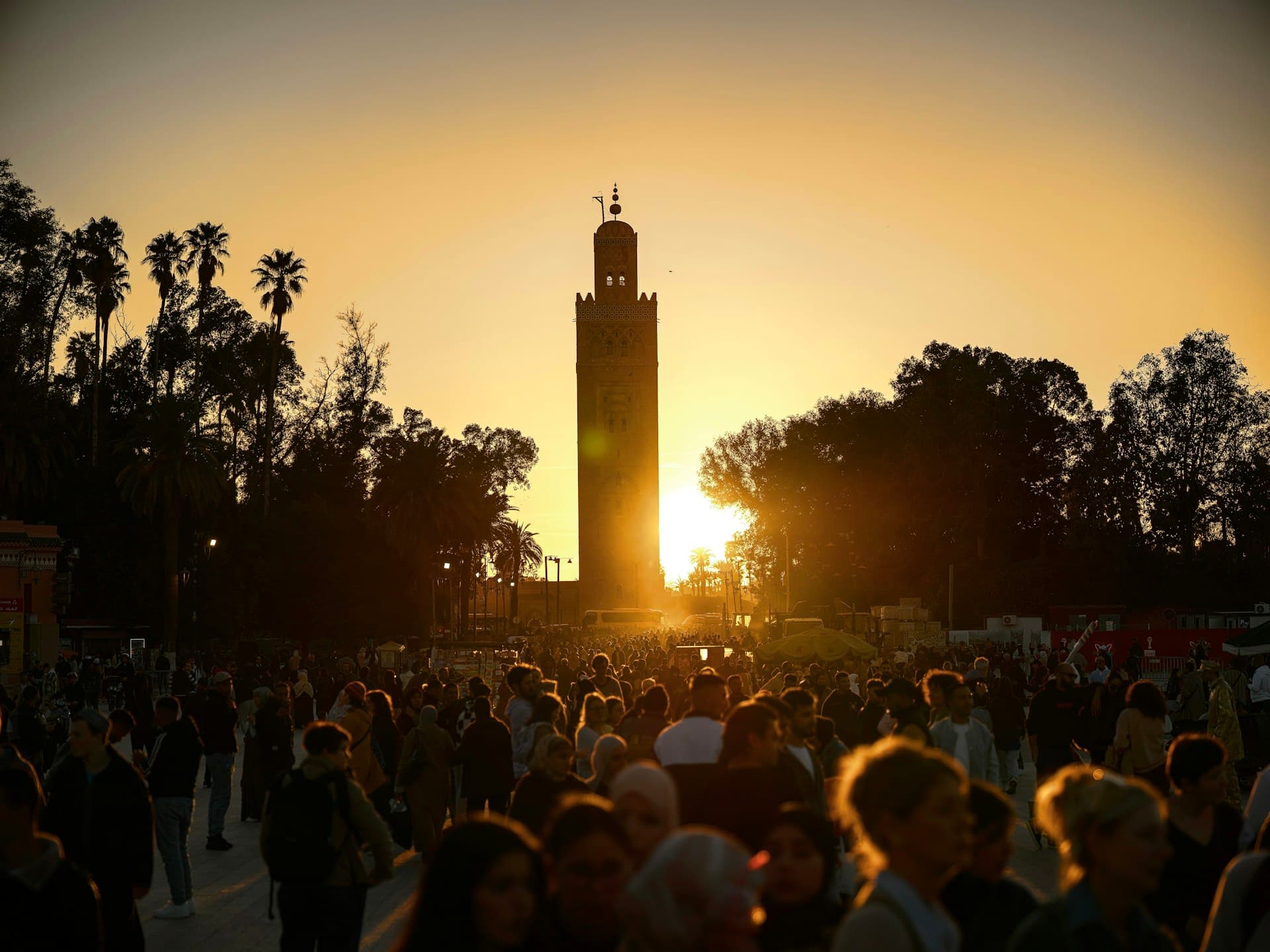
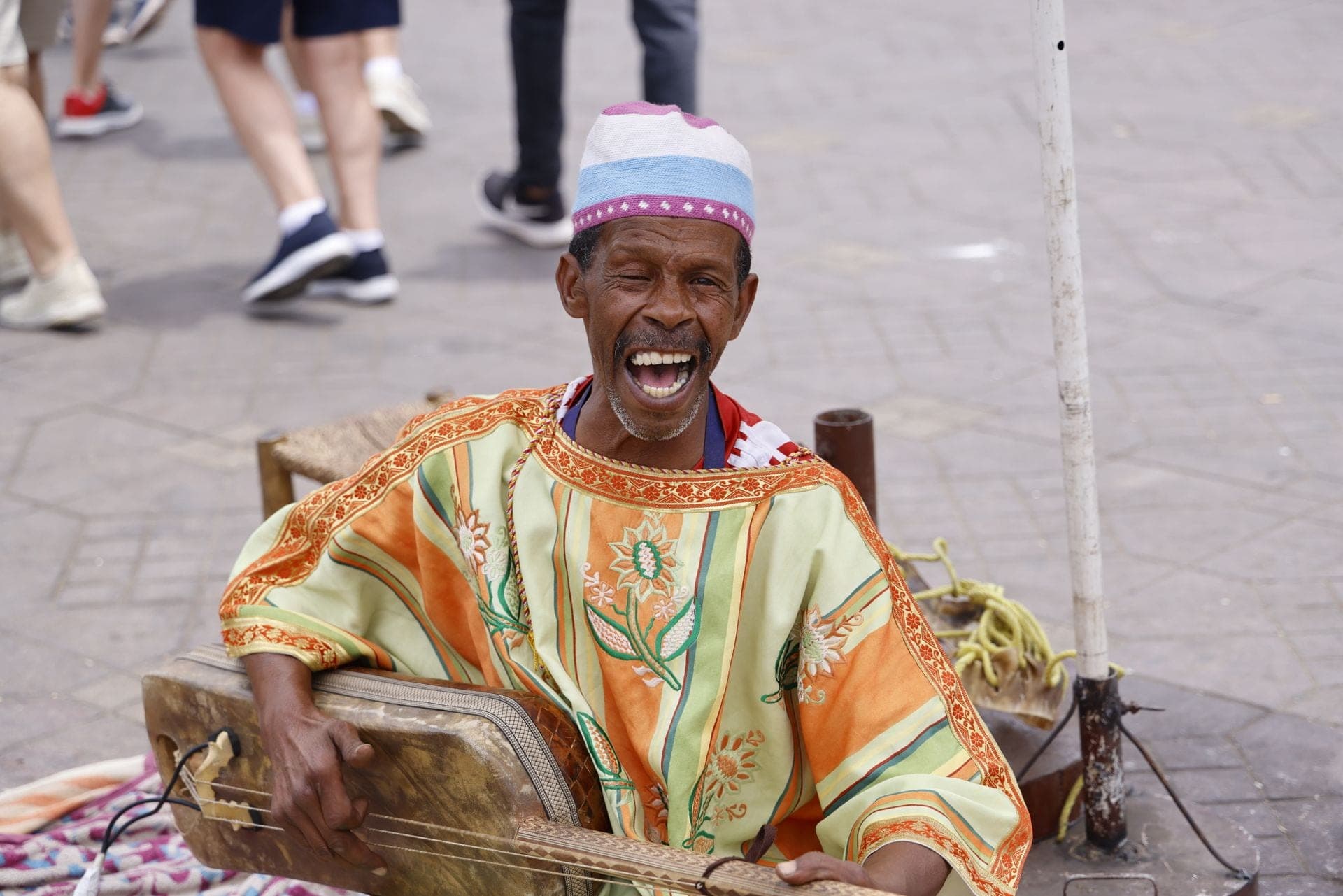
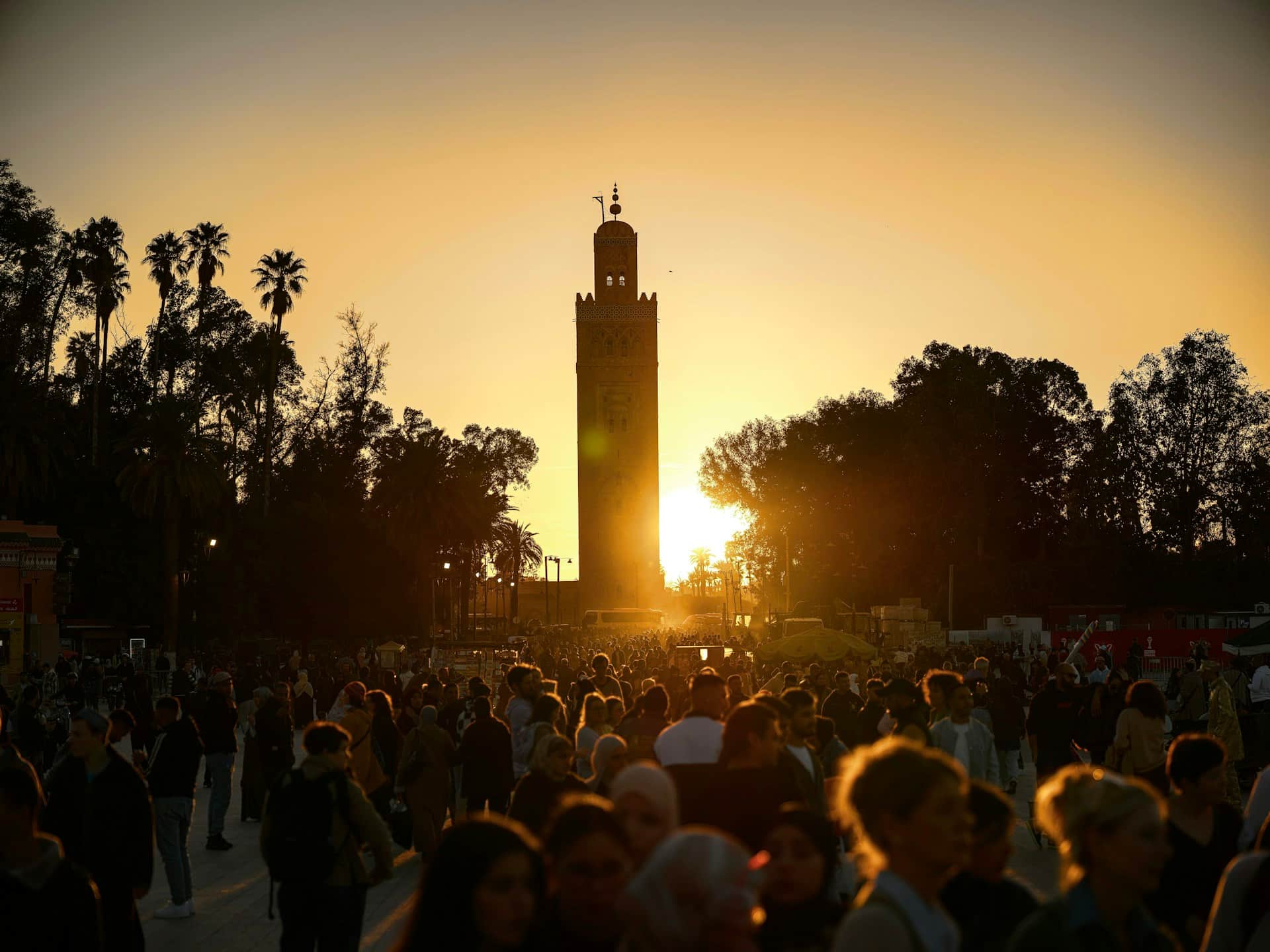
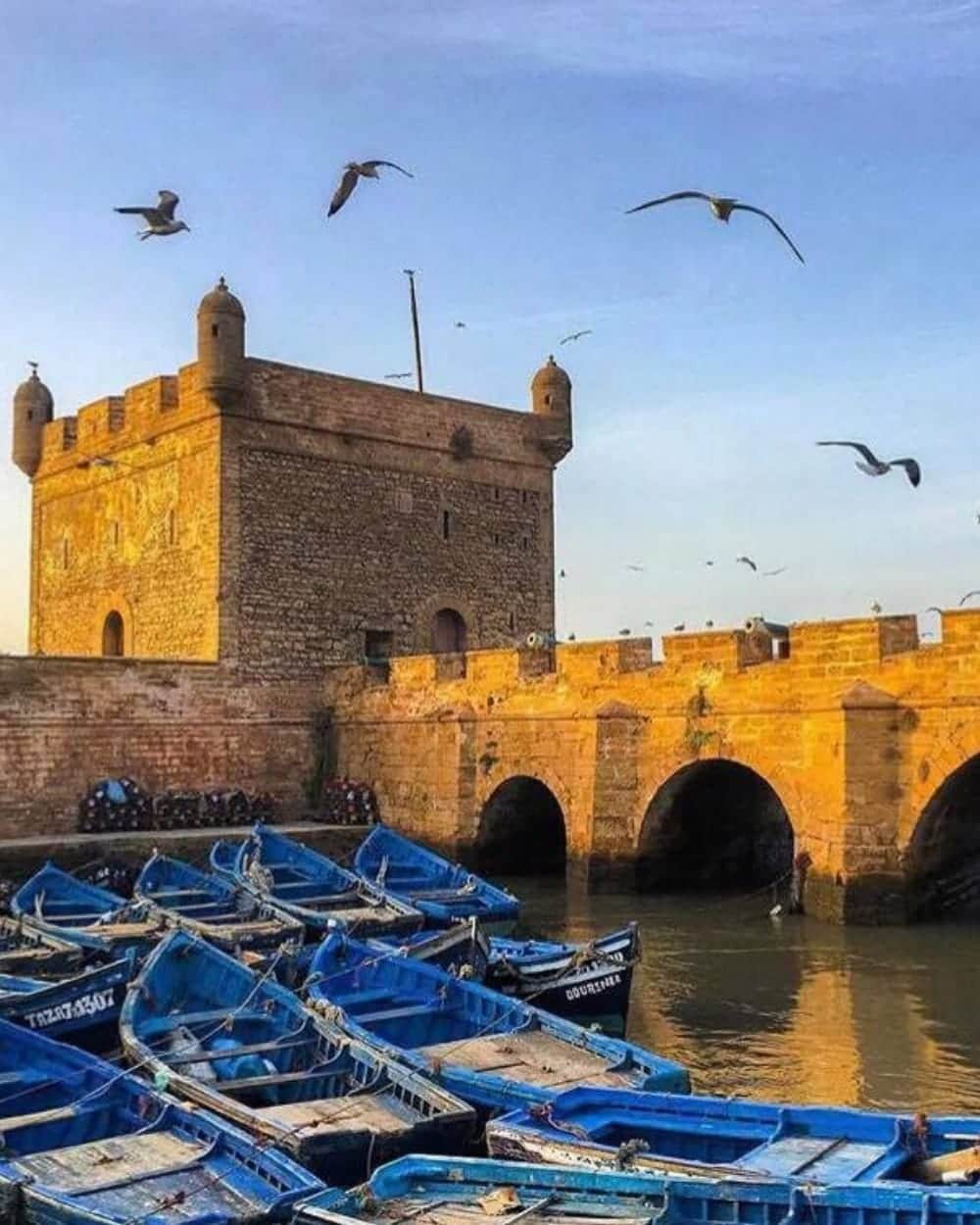
The journey then crosses the country — Meknes and the Roman ruins of Volubilis, the road south, Marrakech and the Gnawa musicians who hold down a corner of the Jemaa el-Fna — and arrives at the coast for the finale. Essaouira is the home of Gnawa music: a trance tradition descended from the West Africans brought to Morocco across the Sahara centuries ago, built on the guembri (a three-string skin-covered bass lute) and the qraqab (iron castanets), and carried through all-night ceremonies called lila that invoke seven spirits, each with its colour and its incense. Gnawa was inscribed on UNESCO's list of the Intangible Cultural Heritage of Humanity in 2019, and Essaouira's fortified medina is a UNESCO World Heritage site in its own right.
Our timing is built around the one date that is fixed: the Essaouira Gnaoua & World Music Festival, 25–27 June 2026 — its 27th edition, sometimes called 'Africa's Woodstock', bringing more than 400 artists and 42 maâlems to a town of free main-stage concerts and intimate zaouia rituals. We are there for all three days, with reserved access where it helps and the freedom to wander where it doesn't. A musicologist guides the whole route, and two private sessions — a Sufi brotherhood hadra in Fes and a Gnaoua maâlem's lila in Essaouira — mean the music reaches you whether or not a festival is in season.
A word on respect, because it's the whole point. The lila is a sacred ritual, not a spectacle; we don't film during the ceremony, we follow our maâlem's lead on what is open to guests and what is not, and we credit the musicians by name. This is the most premium tour we run — ten days, festival access, private performances, a specialist guide, boutique riads through a festival-week surge — and it is priced accordingly. It is also, if sacred music moves you, unlike anything else in Morocco.
Why we built this trip
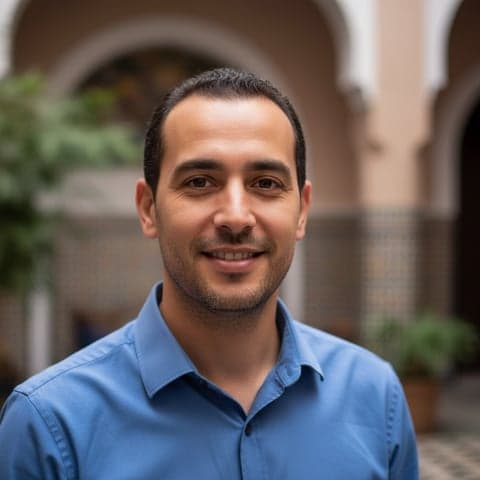
Youssef El Alaoui
Lead Morocco Specialist, Morocco Beauty Spots
- 01The Essaouira Gnaoua & World Music Festival as the finale — the 27th edition, 25–27 June 2026, with 400+ artists including 42 maâlems and free main-stage concerts at Place Moulay Hassan
- 02Gnawa music — inscribed on UNESCO's list of the Intangible Cultural Heritage of Humanity in 2019 — heard in its Atlantic home, where it began among West Africans brought across the Sahara
- 03Sufi sacred music in Fes: private sessions with the Aïssawa and Hamadcha brotherhoods, whose hadra is devotion, not performance
- 04A musicologist / cultural specialist guiding the whole route — naming the maâlems, explaining the lila trance ritual and the seven spirits, the guembri and the qraqab
- 05Essaouira's UNESCO-listed medina (the 18th-century fortified town of Mogador) and its Gnawa zaouias
- 06A respectful, sacred-not-spectacle approach: no filming during the lila ritual, fair credit to the musicians, the music treated as the worship it is
- 07Imperial-city and Atlantic-coast depth along the way — Fes, Meknes, Volubilis, Marrakech's Gnawa roots, and the road down to the sea
“Most music tours sell you a folklore evening with dinner. This isn't that. The Sufi hadra in Fes and the Gnaoua lila in Essaouira are religious — trance, lineage, devotion — and our whole job is to get you inside them respectfully and tell you what you're hearing. We don't film the rituals, we name the maâlems, and we time the trip around the one date that's certain: the Gnaoua festival in late June. The music does the rest.”