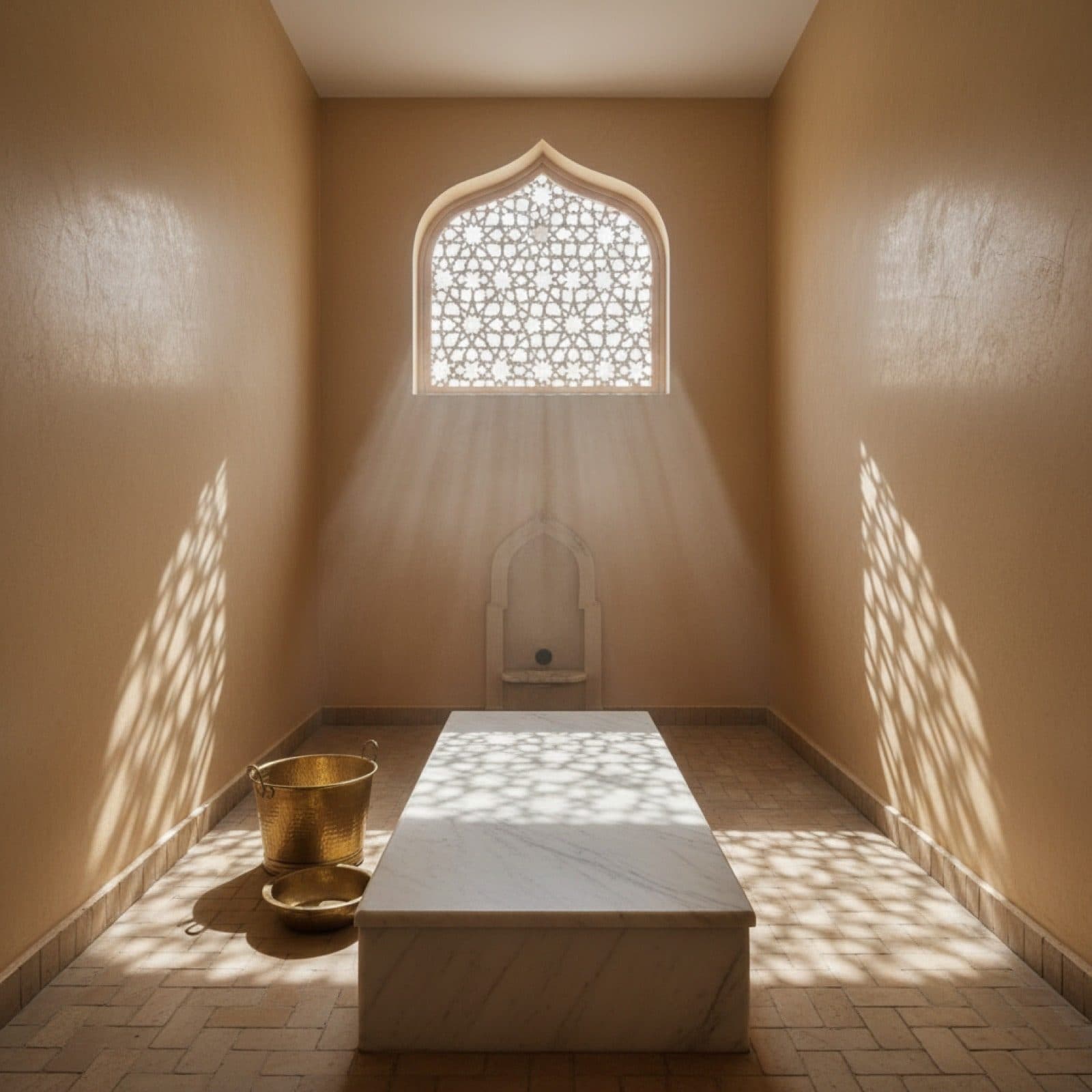
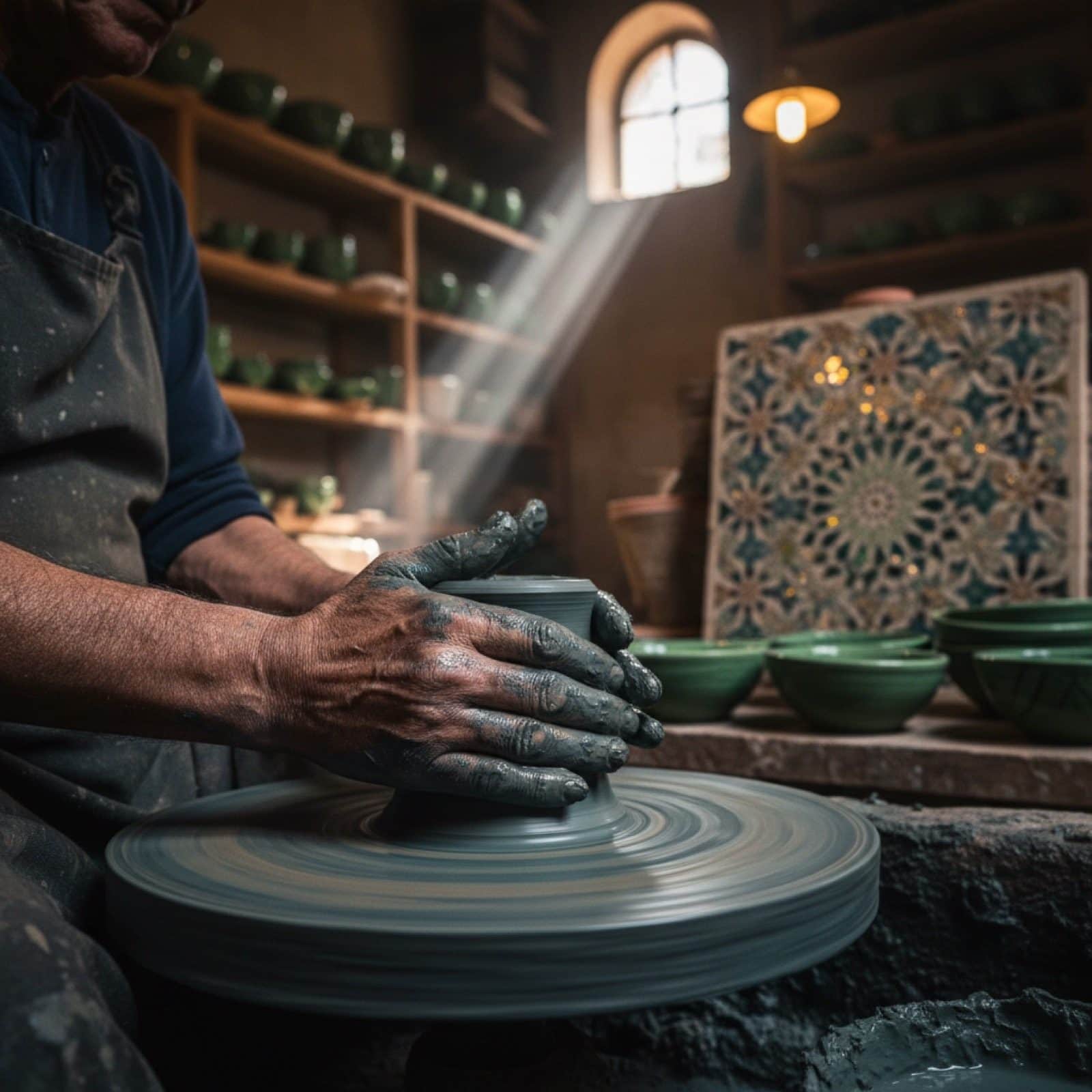
This Morocco pottery tour is a seven-day private route along the country's clay spine: from the cobalt-blue Fassi ceramics of the Aïn Nokbi potters' quarter outside Fes to the green-glazed kilns of Safi's Colline des Potiers on the Atlantic. You sit at the wheel with master potters, cut zellige tile by hand, follow the double firing from raw clay to finished glaze, and carry home one heirloom piece you helped make.
Two dynasties anchor the week, and they are not the same craft wearing different colours. Fes works a fine white clay into thin, double-fired forms, brushes them in cobalt oxide, and fires the blue permanently into a tin-glazed ground — the restrained, scholarly tradition of the imperial city. Safi, three hundred-odd kilometres south on the coast, throws a heavier red clay, lays on the saffron, turquoise and the unmistakable "Safi green," and sets metal filigree into the surface. You spend real time in both, with the makers, at the wheel.
The week is paced for the hands, not the odometer. You will throw on day two in Fes and again on day five in Safi; in between, a maâlem walks you through the menqach — the heavy hammer that cuts zellige tesserae one by one — and you assemble a small panel of your own. Where the firing schedule allows, you watch your own piece go into the kiln. We are honest that the wheel is humbling: most guests centre clay for the first time on day two and produce something modest. The point is the lineage in your hands, not a flawless bowl.
Between the two cities the route slows on the Atlantic. Safi is a working port and pottery town, not a resort — you will smell the kilns and the sea on the same wind. We close the loop at the National Ceramics Museum in the Kechla fort, so the chronology lands after you have felt the clay, not before. Travel is by private car with a ceramics specialist who knows which co-operatives let you in past the showroom and into the firing yard.
End in Casablanca for the airport, or extend to Marrakech if you want a city night before flying. The trade-off to name plainly: this is a craft-immersion week, not a greatest-hits Morocco loop. There is no Sahara and no Atlas crossing here. If you want the dunes too, we pair this with a desert add-on — but the clay deserves the whole seven days.
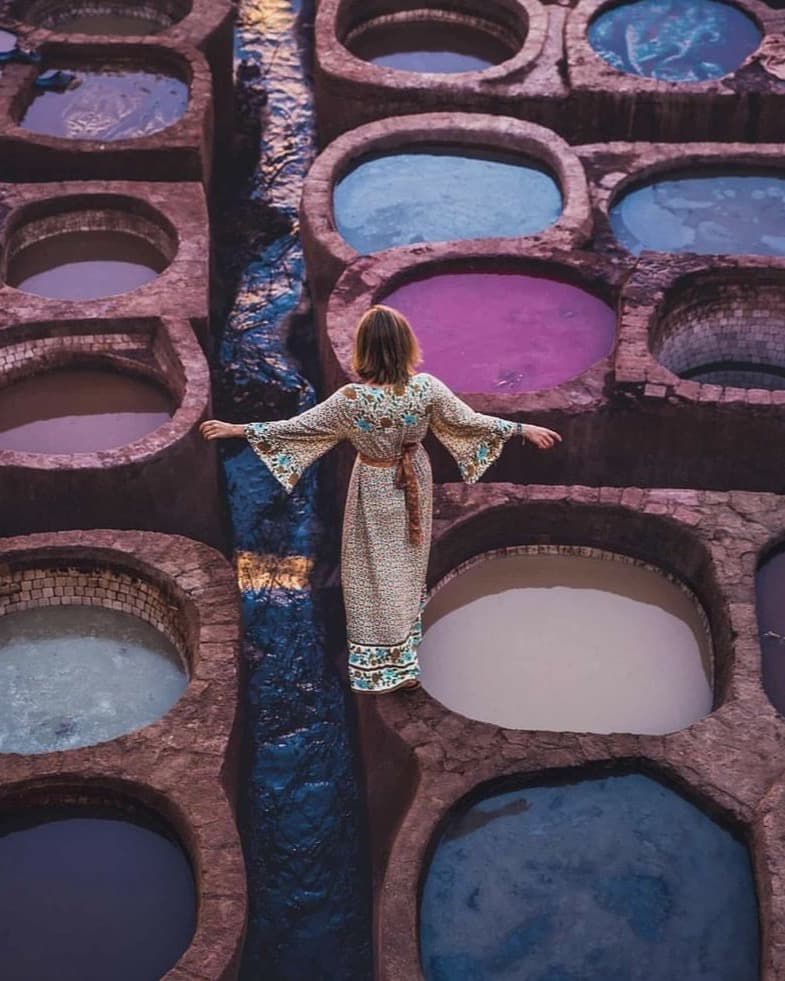
- Aïn Nokbi, the relocated Fassi potters' quarter outside Fes — roughly 300 artisans still firing the cobalt-blue, double-fired ceramics that carry the deep "Fez blue" from natural cobalt oxide
- A half-day zellige atelier with a maâlem — the master cutters who spend 8–12 years learning the menqach hammer before being trusted with a commission
- Safi's Colline des Potiers (Potters' Hill) — around 2,000 artisans in 140-plus workshops on a mound built from centuries of kiln debris and shards
- The "Safi green" glaze, fired over red clay alongside turquoise, saffron yellow, and metal-inlay polychrome — a wholly different lineage from the Fassi cobalt
- The National Ceramics Museum inside the Kechla, the 16th-century Portuguese citadel above the Safi medina — the chronology that frames everything you have just watched being made
- Two private hands-on sessions at the wheel: centring, throwing, and trimming under one maker's hands, not a demonstration you only watch
- One heirloom piece you shape yourself, glazed and kiln-fired, then crated and shipped to your door
- Door-to-door private driver and a ceramics specialist — no minibus, no commission showrooms, the workshops chosen for the craft and not the kickback
Day by day
- Day 1
Arrive Fes — the medina, the eye warmed up
Private pickup at Fès–Saïs airport or your arrival point and transfer to a riad inside the Fes el-Bali medina. An unhurried late-afternoon walk to set the eye: the Nejjarine fountain's zellige, the tilework of the Bou Inania madrasa, a first read of cobalt-on-white before you meet the makers tomorrow. Dinner at the riad. No workshop today — jet lag and the wheel do not mix.
Stay overnight
- Day 2
Aïn Nokbi — Fassi blue and your first hours at the wheel
Out to Aïn Nokbi, the potters' quarter moved here in 2013 so the medina was spared the kiln smoke — today roughly 300 artisans. A morning with a Fassi master: the fine white clay, the throwing, the first firing, then the white tin-oxide glaze and the cobalt brushwork before the second firing fuses the blue in. After lunch you take the wheel yourself for a guided centring-and-throwing session. The piece you make stays to be glazed and fired.
Stay overnight
- Day 3
Fes — the maâlem, the menqach, and a zellige panel
A half-day in a zellige atelier. The maâlem draws the furmah on a glazed tile and splits it with the menqach hammer — the cut that takes apprentices eight to twelve years to master because the geometry tolerates no error. You cut a few tesserae under his hand, then help lay a small star-pattern panel face-down into its bed. Afternoon free in the medina to see the craft in situ — the Attarine madrasa, the Karaouine surrounds.
Stay overnight
- Day 4
Fes → Atlantic coast via Casablanca — the long transfer
The one driving day. West across the plains, skirting Meknes and Rabat, down the toll road through Casablanca and on to the Atlantic pottery town of Safi — roughly 530 km, broken with a proper lunch stop. You arrive on the coast by evening to the smell of kilns and sea. Settle into your Safi hotel; an early walk to the harbour wall if the light holds.
Drive · 6h
- Day 5
Colline des Potiers — Safi green, red clay, your second throw
Up to the Colline des Potiers, Safi's pottery hill where some 2,000 artisans work in over 140 workshops around communal wood-fired kilns. A morning watching the other lineage: heavier red clay, the saffron-and-turquoise palette, the famed "Safi green," and the metal inlay set into the glaze. Afternoon is your second session at the wheel — this clay behaves differently from the Fassi white, and your hands will feel it. Your piece goes to glaze and fire.
Stay overnight
- Day 6
Safi — the Kechla, the chronology, the heirloom packed
Morning at the National Ceramics Museum inside the Kechla, the 16th-century Portuguese citadel above the medina — the chronology of Moroccan ceramics from the old polychrome to today, now that you have felt the clay yourself. Time to choose finished pieces direct from the co-operatives at workshop prices, and to confirm the safe crating and shipping of your own fired work. Afternoon at the harbour and the Dar el-Bahar sea castle.
Stay overnight
- Day 7
Safi → Casablanca — departure
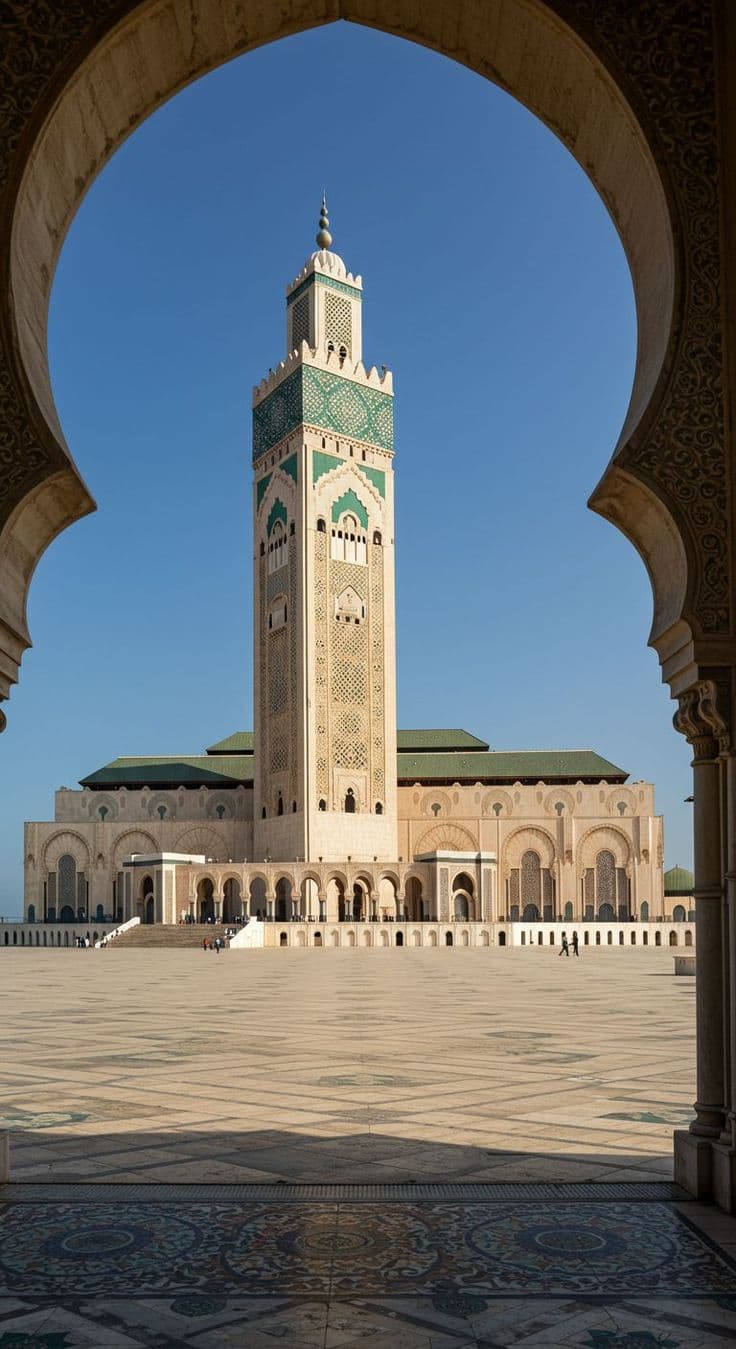
Coastal-and-highway transfer north to Casablanca, roughly 235 km, for your onward flight from Mohammed V airport. If your schedule allows, a stop at the Hassan II Mosque — itself a cathedral of contemporary zellige and carved plaster — before the airport. Travellers extending the trip transfer instead to Marrakech (about 150 km from Safi) for a final city night on request.
End of journey
What's included
- Private car with English-speaking driver throughout (also Arabic and French)
- A ceramics specialist for the Fes and Safi workshop days
- Two hands-on wheel-throwing sessions (Fes Fassi white clay + Safi red clay) with master potters
- A half-day zellige tile-cutting workshop with a maâlem
- Glazing, kiln firing, and international crating-and-shipping of one piece you make yourself
- Entry to the National Ceramics Museum (Kechla) and the Dar el-Bahar in Safi
- Six nights' accommodation: riad in Fes, hotel in Safi (breakfast daily)
Not included
- International flights to and from Morocco
- Lunches and dinners beyond those noted (budget ~$15–35/person/meal)
- Pieces you buy from the co-operatives beyond the one you make
- Travel insurance — strongly recommended; we can suggest HeyMondo or SafetyWing
- Marrakech extension night and transfer (about 150 km from Safi, on request)
- Gratuities for the makers, driver, and specialist (at your discretion)
- Fes ↔ Safi transfer
- ~530 km, one driving day
- Safi pottery-hill artisans
- ~2,000 across 140+ workshops
- Zellige cutting apprenticeship
- 8–12 years to master the menqach
- Hands-on wheel sessions
- 2 (Fassi white clay + Safi red clay)
“People expect the difference between Fes and Safi to be only the colour — blue against green. It is the clay first. Fes throws a fine white body, thin and twice-fired, painted in cobalt; Safi works a heavy red clay under the saffron and the green, with metal set into the glaze. Once your hands have centred both, you stop seeing two souvenirs and start seeing two families who have answered the same question — what to do with earth and fire — in two completely different sentences. That is what the seven days are for.”
What past travellers say

Sophie & Marc
Paris, France
“The best trip of our lives. Our guide knew every village, every viewpoint, every hidden riad. Seven days in Morocco felt like a month somewhere else.”

James H.
London, UK
“Everything was seamless from landing in Fes to the Sahara camp and back to Marrakech. The night under the stars is something I'll never forget.”

Ana Rodrigues
Lisbon, Portugal
“Organized, warm, professional. They built the itinerary around what we loved and gave us complete freedom to stop anywhere along the way.”
The Clay Route — A Morocco Pottery Tour — frequently asked
- What is the difference between Fez blue and Safi green pottery?
- They are two separate lineages. Fes works a fine white clay into thin, double-fired forms, painted with cobalt oxide that fires into the deep "Fez blue" over a white tin glaze. Safi throws a heavier red clay and finishes it in turquoise, saffron yellow and the famed "Safi green," often with metal inlay set into the glaze. This Morocco pottery tour puts your hands on both clays so the contrast is physical, not just visual.
- What exactly is zellige, and do we get to cut it?
- Zellige (also spelled zellij) is Morocco's hand-cut mosaic tilework — glazed tiles split into precise geometric tesserae and laid into tessellating star and polygon patterns rooted in Islamic geometry. On day three a maâlem shows you the menqach, the heavy cutting hammer that apprentices spend 8–12 years mastering, and you cut a few pieces and help lay a small panel yourself.
- Do I keep the pottery I make?
- Yes. You throw one piece in Fes and one in Safi; we choose your favourite (or both, for a supplement) to be glazed, kiln-fired after you leave, and crated for international shipping to your home. Firing takes time and a kiln cycle, so finished work is shipped rather than carried — included for one piece in the tour price.
- Is this Moroccan artisan tour suitable for complete beginners at the wheel?
- Entirely. Sessions run one-to-one or two-to-one with the maker, who guides centring, throwing and trimming step by step. We are honest that most guests centre clay for the first time and make something modest — that is expected and fine. The value is time under a master's hands and the lineage you take home, not a flawless bowl on the first try.
- Where is Safi and why is it the centre of this trip?
- Safi is a working Atlantic port roughly 235 km south of Casablanca and 150 km west of Marrakech, long regarded as Morocco's pottery capital. Its Colline des Potiers (Potters' Hill) holds around 2,000 artisans in over 140 workshops, and the National Ceramics Museum sits in the 16th-century Portuguese Kechla fort above the medina — the second half of the clay route after Fes.
- How much driving is involved over the seven days?
- Only one real driving day. Day four is the Fes-to-Safi transfer, roughly 530 km west across the plains via the Casablanca highway, broken with a lunch stop — about six hours of travel. The other five days are low-mileage and workshop-centred. The final transfer to Casablanca airport is around 235 km; a Marrakech extension is about 150 km.
- When is the best time of year for this Moroccan ceramics tour?
- October–November and March–May are ideal: mild, dry workshop days and clear Atlantic light in Safi. Skip July–August, when kiln yards are brutally hot. Winter works but Safi's coastal wind is sharp. Many family workshops also slow during Ramadan, so we confirm each maker's working calendar before we fix your dates.
- Can we add the desert or the Atlas Mountains to this craft tour?
- Yes, as an extension rather than inside the seven days. This is deliberately a craft-immersion week with no Sahara or Atlas crossing, so the clay gets full attention. If you want dunes or mountains too, we bolt on a private desert or Atlas leg before or after — tell us at booking and we build it around your flights.