The Tizi n'Tichka is the highest paved mountain pass in North Africa — a first-hand guide to crossing the High Atlas from Marrakech to Ouarzazate.
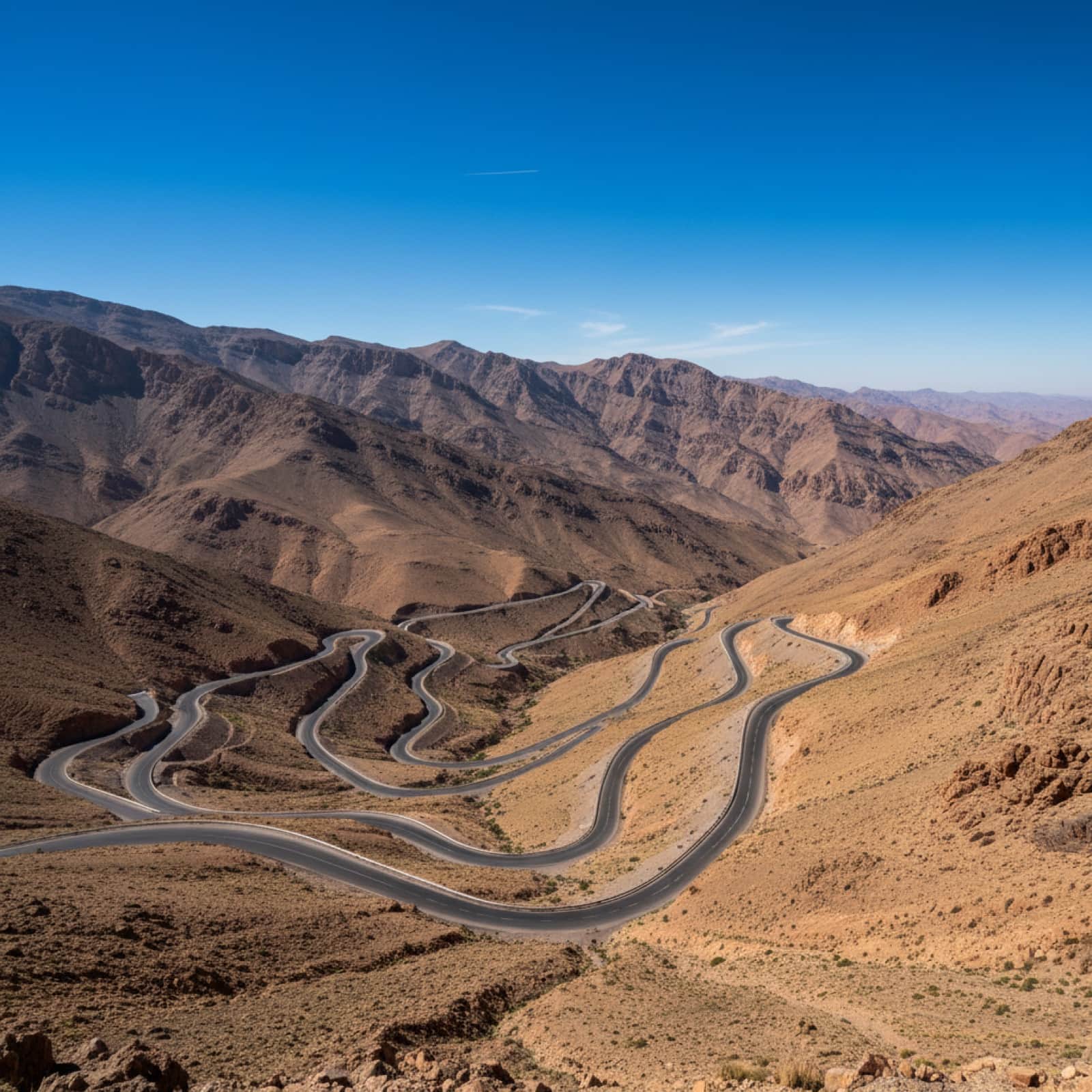
The Tizi n'Tichka is the highest major paved mountain pass in North Africa, cresting at roughly 2,260 metres on the N9 road that links Marrakech to Ouarzazate across the High Atlas. The full Marrakech-to-Ouarzazate drive takes about 3.5 to 4 hours, and a 2024 reconstruction has made the famous switchbacks noticeably wider and safer than the road I first drove twenty years ago.
I'm Youssef, and I've crossed this pass hundreds of times — in summer heat, in winter fog, and once behind a snowplough in January. This is the detail I give my own guests before we set off: what the road actually is, what you'll see, and how to cross it without stress.
What is the Tizi n'Tichka pass?
The Tizi n'Tichka is a mountain pass through the High Atlas, carried by Route Nationale 9 (the old P-31) between Marrakech and Ouarzazate. "Tizi" simply means "pass" in the Amazigh (Berber) language, so locals just call it the Tichka.
The road was first built as a military highway in 1936, during the French protectorate, along an older caravan route that traders had used for centuries. For most of the year it is the single most important link between the fertile plains north of the mountains and the arid, kasbah-studded south that leads to the Sahara.
It should not be confused with the Tizi n'Test, a narrower, more vertiginous pass further west that connects Marrakech toward Taroudant. When people say "the Atlas pass" on the standard Marrakech-desert route, they almost always mean the Tichka.
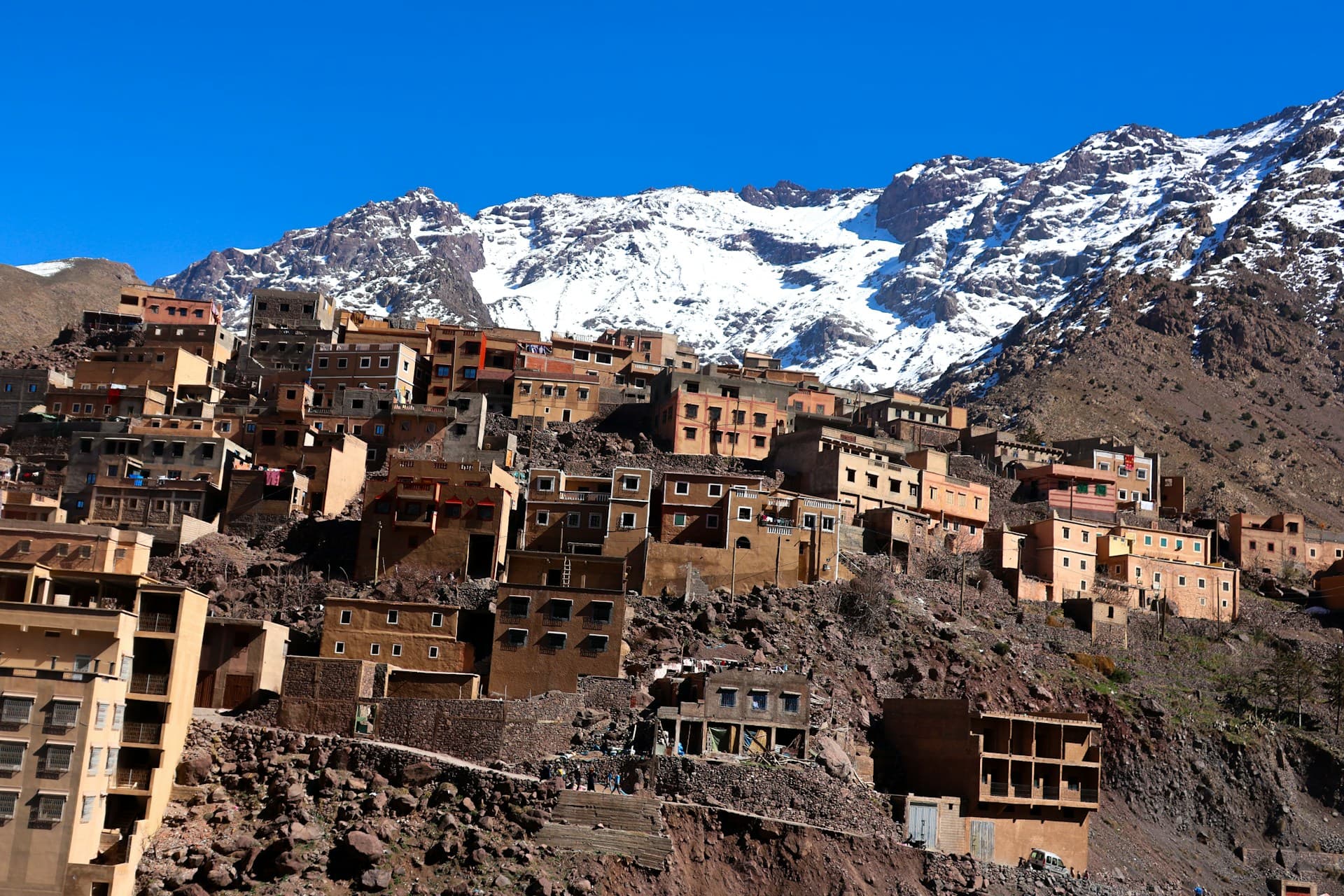
What makes the Tichka special isn't just the altitude — it's that you watch Morocco change in real time. In a single morning you pass from the orange groves of the Haouz plain, up through walnut-shaded Amazigh hamlets, over a bare windswept summit, and down into the rust-red, sun-baked country of the south. Few roads anywhere compress so much landscape into 200 kilometres.
How high is it and how long to drive?
The summit sits at approximately 2,260 metres (around 7,400 feet) above sea level, making it the highest paved pass in North Africa. A 2022 GPS reading put the exact high point a little lower, near 2,205 metres, but the long-standing 2,260 m figure is what you'll see on signs and maps.
The Marrakech-to-Ouarzazate run is roughly 200 kilometres and takes about 3.5 to 4 hours of moving time. That average speed feels slow on paper, but the mountain section is all curves, climbs and descents — you simply cannot rush it, and you wouldn't want to.
Here is how the crossing breaks down leg by leg, with the figures I plan my own days around.
| Leg | Approx. distance | Approx. drive time |
|---|---|---|
| Marrakech to the foothills (Aït Ourir) | 37 km | 45 min |
| Foothills to Tizi n'Tichka summit | 63 km | 1 hr 30 min |
| Summit to Telouet turnoff (+ detour) | 20 km (+ ~40 min round detour) | 30 min + detour |
| Summit down to Aït Ben Haddou | 60 km | 1 hr 15 min |
| Aït Ben Haddou to Ouarzazate | 30 km | 30 min |
What do you see along the way?
The scenery changes completely as you climb. You leave Marrakech through olive groves and the orchard town of Aït Ourir, then the road begins to fold upward into red-rock gorges and terraced Amazigh villages clinging to the slopes.
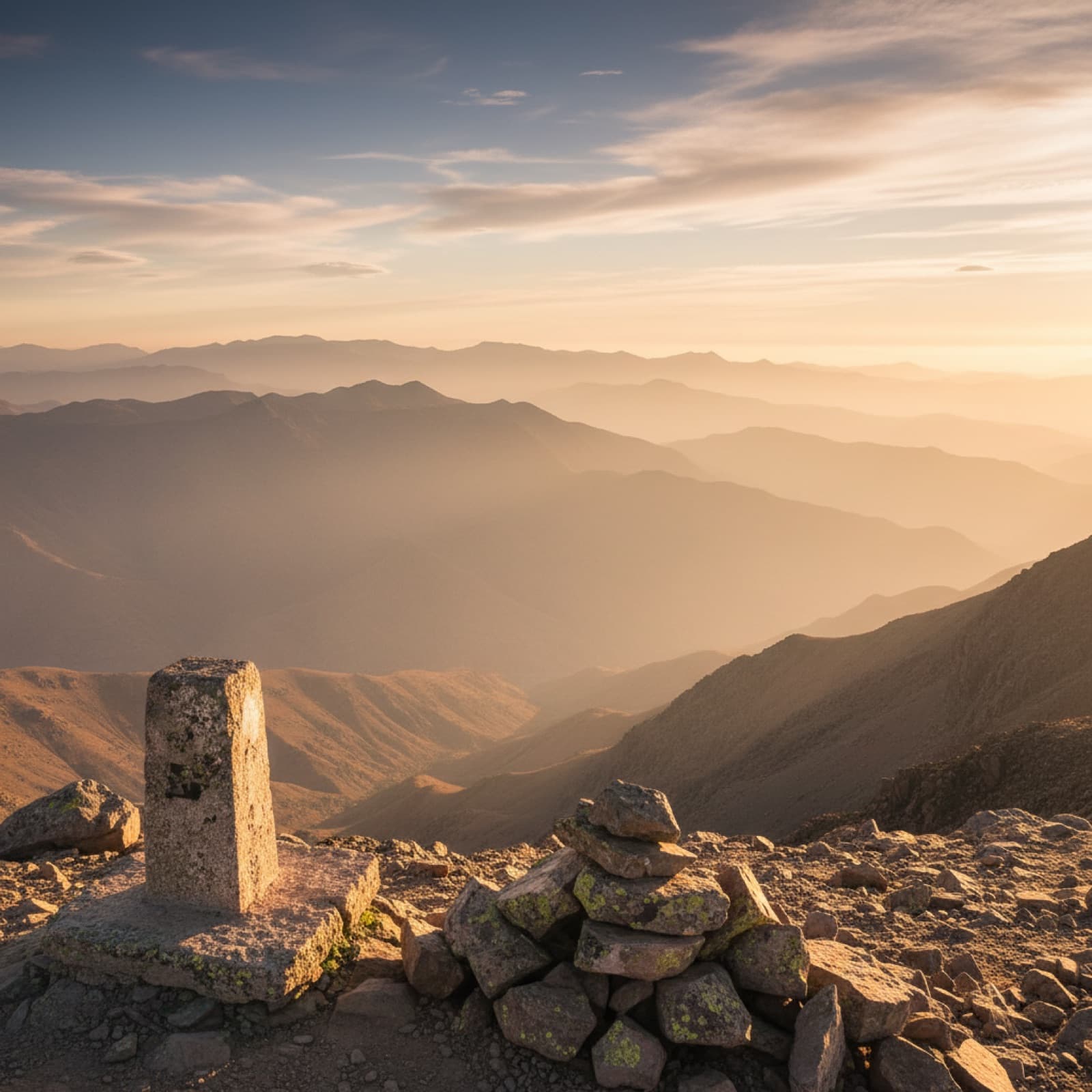
Near the top, the landscape turns bare and lunar — sweeping viewpoints where you can pull over, breathe the thin air, and see ridgelines stacked to the horizon. Roadside stalls here sell crystals, geodes, fossils and argan oil; bargain gently, and treat the geology claims as decoration, not gospel.
The single best detour is the Telouet Kasbah. About 20 km past the summit, a side road branches off through the Ounila Valley to the crumbling palace of Thami El Glaoui — the Pasha of Marrakech who, from 1912 to 1956, controlled these caravan routes and grew immensely powerful. His painted ceilings and carved plaster are decaying in slow, photogenic glory, and the detour is one of the most rewarding hours on the whole route.
It's worth understanding why Telouet matters. The Glaoui family grew wealthy by controlling exactly the kind of caravan traffic that once crossed this very pass — salt, gold and spices moving between the desert and Marrakech. After independence in 1956, El Glaoui's collaboration with the French saw his palaces confiscated and left to crumble. Standing in those silent, gilded rooms, you feel the whole arc of the story the modern road replaced.
Is the road safe or hard to drive?
The Tizi n'Tichka is far safer today than its fearsome reputation suggests. A major widening and reconstruction was largely completed by 2024 — wider lanes, new passing sections, and guard rails along nearly the entire route. Travellers who drove it in late 2024 consistently report it as smooth and manageable.
That said, it is still a real mountain road. The genuine hazards are slow trucks you'll need to overtake on blind curves, the occasional impatient local driver, and winter weather: fog, ice or snow can roll in between roughly November and March, sometimes causing brief closures at the top.
“The road itself isn't dangerous anymore — the danger is fatigue and impatience. I tell guests we stop at the viewpoints, we never overtake into a blind bend, and we don't drive it in the dark. Do those three things and the Tichka is a joy, not an ordeal.”
— Youssef, Morocco Beauty Spots founder and driver-guide
My one firm rule: do not cross the Tizi n'Tichka at night. There's no lighting, animals wander onto the road, and the drop-offs you can't see are the ones that frighten people. Time your departure so you're over the summit in full daylight.
Should you self-drive or use a driver?
Confident drivers comfortable with mountain hairpins can absolutely self-drive the post-2024 road — it's paved the whole way and well-signed. If that's you, do read our honest take on whether it's safe to drive in Morocco before you commit.
Most of our guests prefer a driver here, and not because the road is treacherous. It's that the pass deserves your eyes on the scenery, not the centre line — and a local driver knows exactly where to stop, which stalls are fair, and how to read the sky in winter. That's the trade-off in a nutshell.
When is the best time to cross?
Spring (April to May) and autumn (September to October) are the sweet spots: clear skies, comfortable temperatures, and almost no risk of weather closures. The villages are green in spring and the light is soft in autumn.
Summer is perfectly drivable but hot on both ends, so start early. Winter is the gamble — the crossing is often gorgeous and snow-dusted, but check conditions the morning you travel, because fog or snow can close the summit for a few hours at a time.
| Season | Conditions | What to expect |
|---|---|---|
| Spring (Apr-May) | Excellent | Green slopes, clear views, mild temperatures |
| Summer (Jun-Aug) | Good, hot | Start early; hazy midday light, busy road |
| Autumn (Sep-Oct) | Excellent | Soft light, stable weather, ideal photography |
| Winter (Nov-Mar) | Variable | Possible fog or snow; brief closures — check that morning |
What's on the other side?
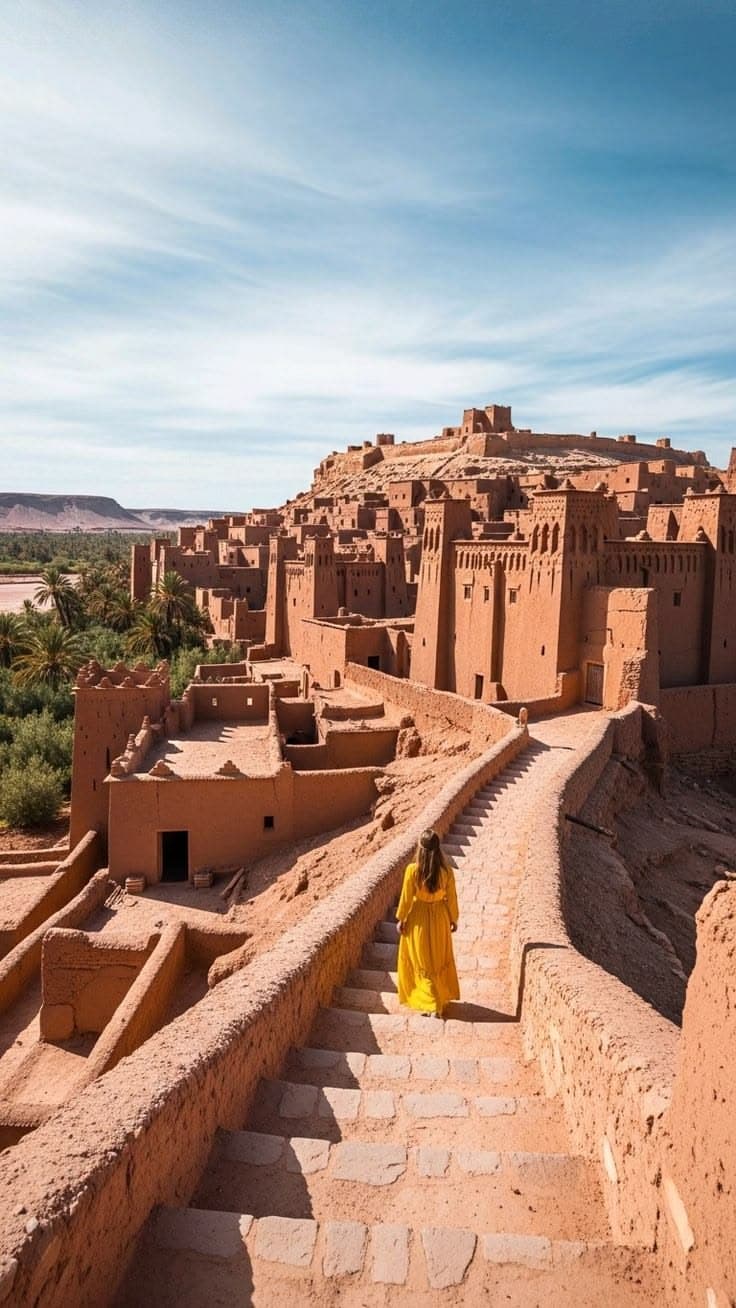
The descent south delivers you into Morocco's cinematic heartland. First comes Aït Ben Haddou, the UNESCO-listed earthen ksar (fortified village) that has stood on this caravan route for centuries and starred in countless films — read its full story in our guide to Aït Ben Haddou's film and history.
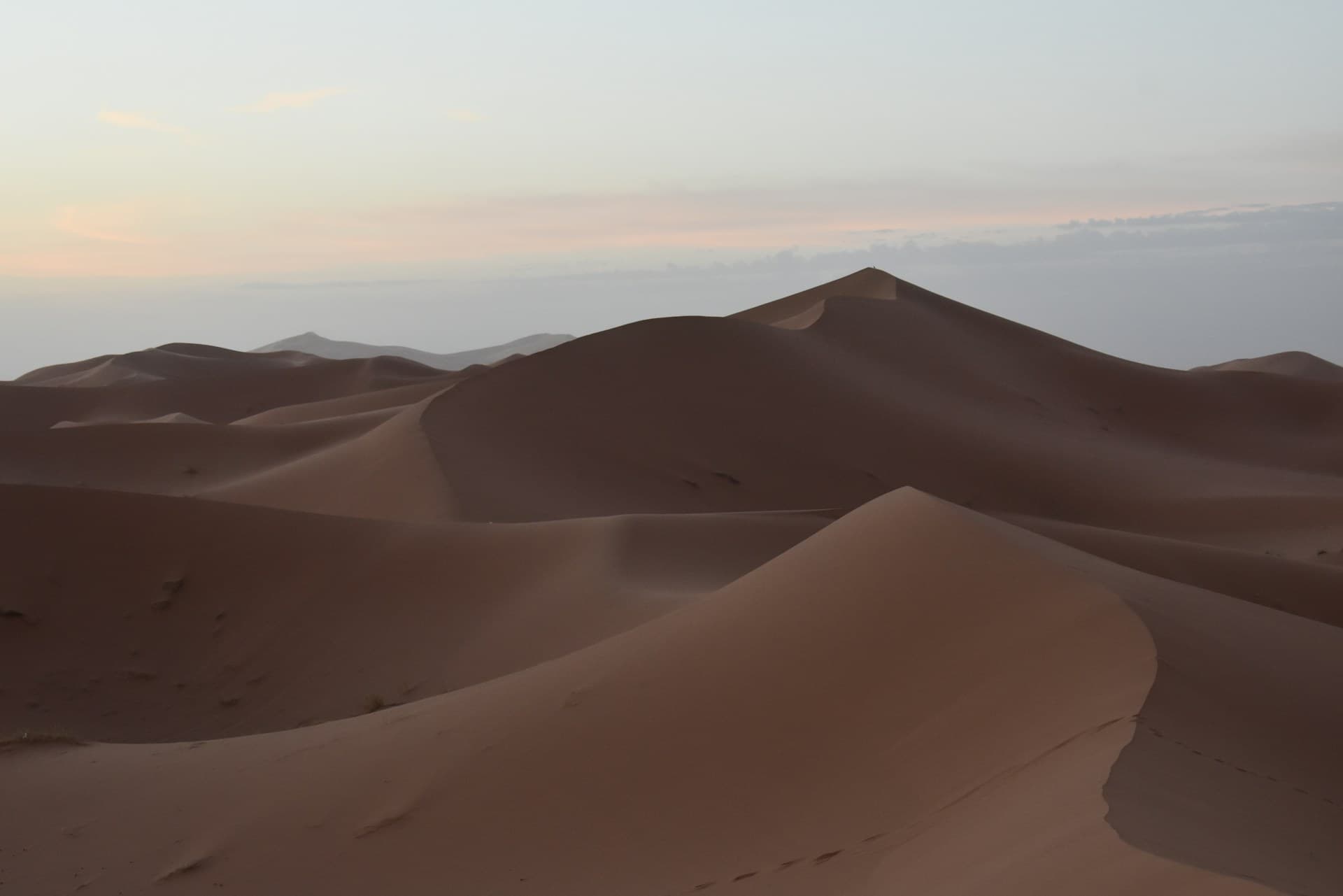
Thirty kilometres on lies Ouarzazate, the so-called film capital of Morocco and the practical gateway to the Road of a Thousand Kasbahs and the dunes of Merzouga. In other words, the Tichka isn't a destination so much as a threshold — cross it, and the whole desert south opens up.
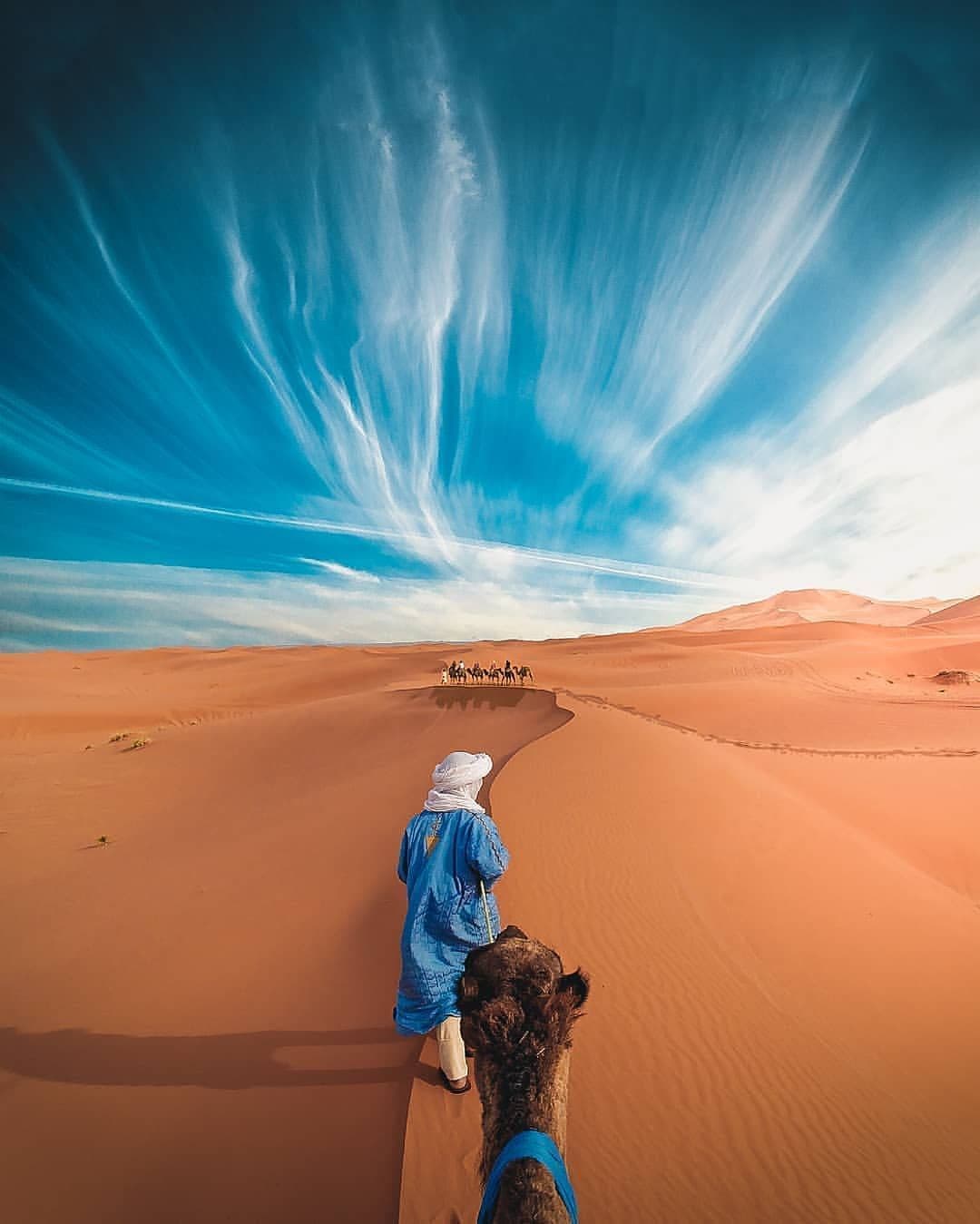
If you're heading all the way to the sand, our Marrakech to Merzouga desert tour maps the onward route, and the Atlas Mountains destination page covers what to see in the range itself.
How does Morocco Beauty Spots cross it?
On our trips, the Tichka is rarely a rush from A to B. We build in the Telouet detour, the best viewpoints, and a relaxed lunch so the crossing becomes part of the experience rather than a transfer to endure. For the classic Marrakech-Atlas-desert arc, our 10-Day Grand Tour of Morocco crosses the pass with time to breathe, while the 3-Day Fes to Desert tour is the leaner option for tighter schedules.
If you'd rather shape your own route over the Atlas — your pace, your stops, your reasons — tell us what you're dreaming of and we'll build it around the Tichka. Start with our trip planner and we'll take it from there.
In summary
The Tizi n'Tichka is North Africa's highest paved pass — a 2,260 m crossing of the High Atlas on the N9, built in 1936 and rebuilt by 2024 into a far safer road. Allow 3.5 to 4 hours from Marrakech to Ouarzazate, take the Telouet detour, cross in daylight, and you'll arrive in Morocco's kasbah country having earned every kilometre of the view.
Written by
Youssef El Alaoui
Lead Morocco Specialist
Born in Fes, based in Marrakech. Designs private itineraries for Morocco Beauty Spots and still argues mint tea is best in the Atlas.