Yes, you can absolutely visit Morocco during Ramadan. The sights stay open and tourist restaurants serve all day. You trade a slower afternoon for unforgettable, joyful evenings when the whole country breaks fast together. Here is the honest, first-hand version from an operator who runs trips through it.
Yes, you can absolutely visit Morocco during Ramadan. The monuments, riads, museums and tourist restaurants all stay open and serve food by day. You simply trade a slower daytime pace for some of the warmest, most atmospheric evenings the country has all year.
I'm Amina, and I've guided travellers through Morocco during Ramadan many times. People always ask whether they should rebook. My honest answer: it's a trade-off, not a no-go. You give up a little daytime buzz; you gain front-row seats to a side of Morocco most tourists never see. Below is the candid, practical version, written by someone who actually does this every year, so you can decide for yourself.
What exactly is Ramadan, and why does it change the rhythm of the day?
Ramadan is the Islamic holy month of fasting. From dawn until sunset, observant Muslims abstain from food, drink, cigarettes and intimacy, then break the fast at sunset with a meal called iftar. Because most Moroccans take part, the whole country's daily rhythm shifts.
Practically, that means the day flips. Mornings run a little quieter and slower as people pace their energy. The afternoon settles into a noticeable lull, with some local businesses dozing through the hottest, hungriest hours. Then, right around sunset, the country exhales: streets clear for the iftar meal, and an hour later they fill again with families, lights and food until very late. Ramadan is one of the five pillars of Islam, so it isn't a fringe observance — it shapes the month for the great majority of the population. Once you understand the day runs on a sunset clock rather than a noon clock, almost everything about travelling here in this month starts to make sense, and you can plan your own day to ride the same wave instead of fighting it.
Do tourist sites, restaurants and hotels stay open during Ramadan?
Yes. The major monuments, museums, riads and hotels operate as normal, and restaurants that cater to visitors serve food throughout the day. You will not go hungry or find the headline sights padlocked. The biggest change is local cafe and shop hours, not the tourist infrastructure.
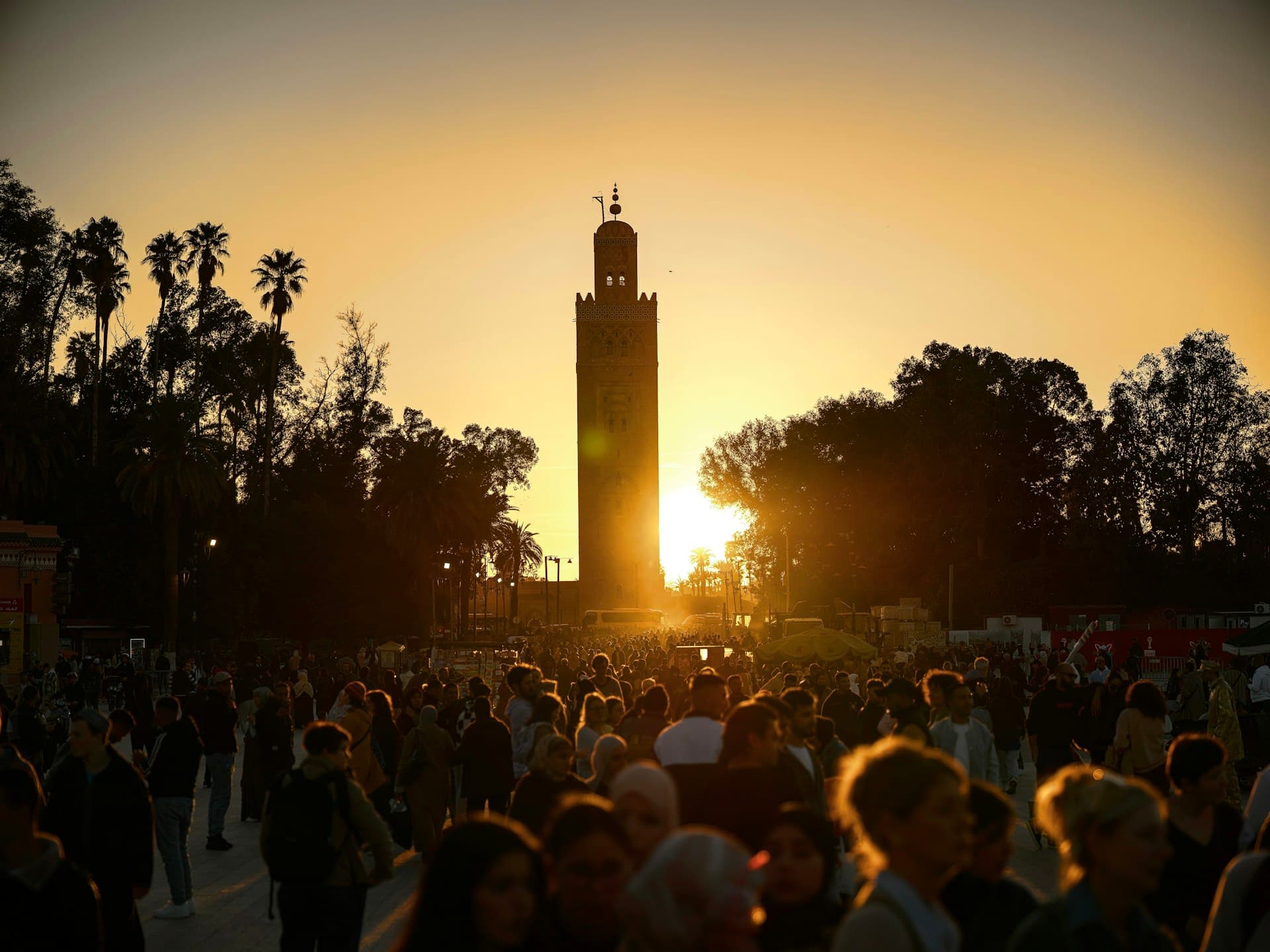
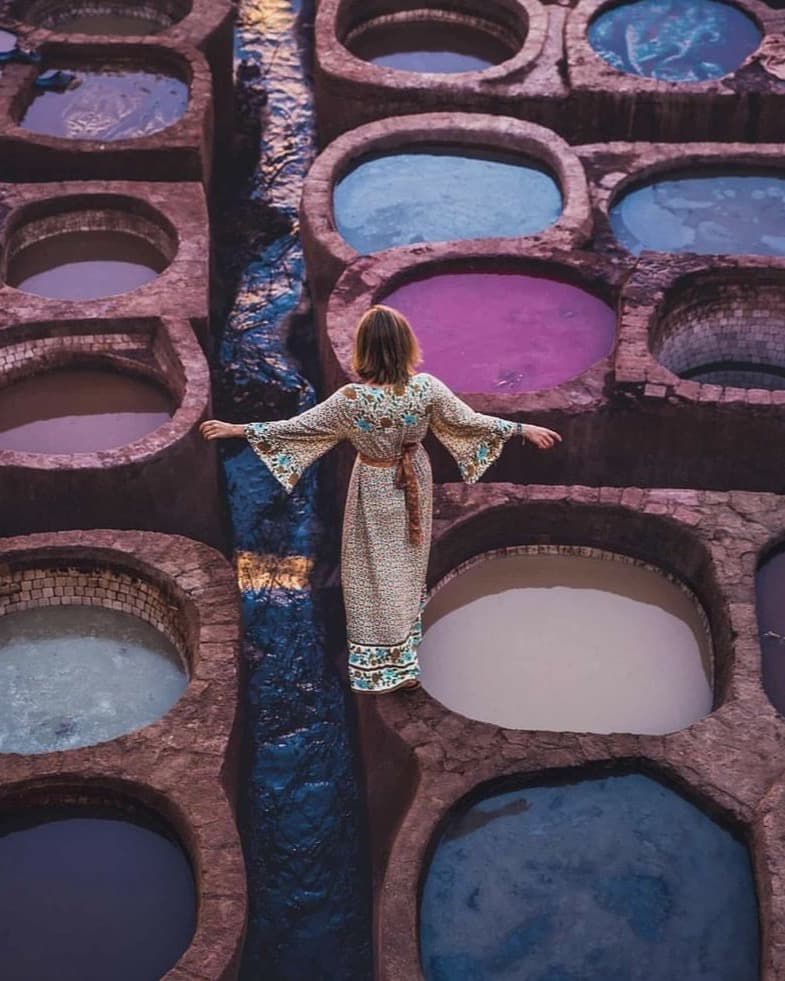
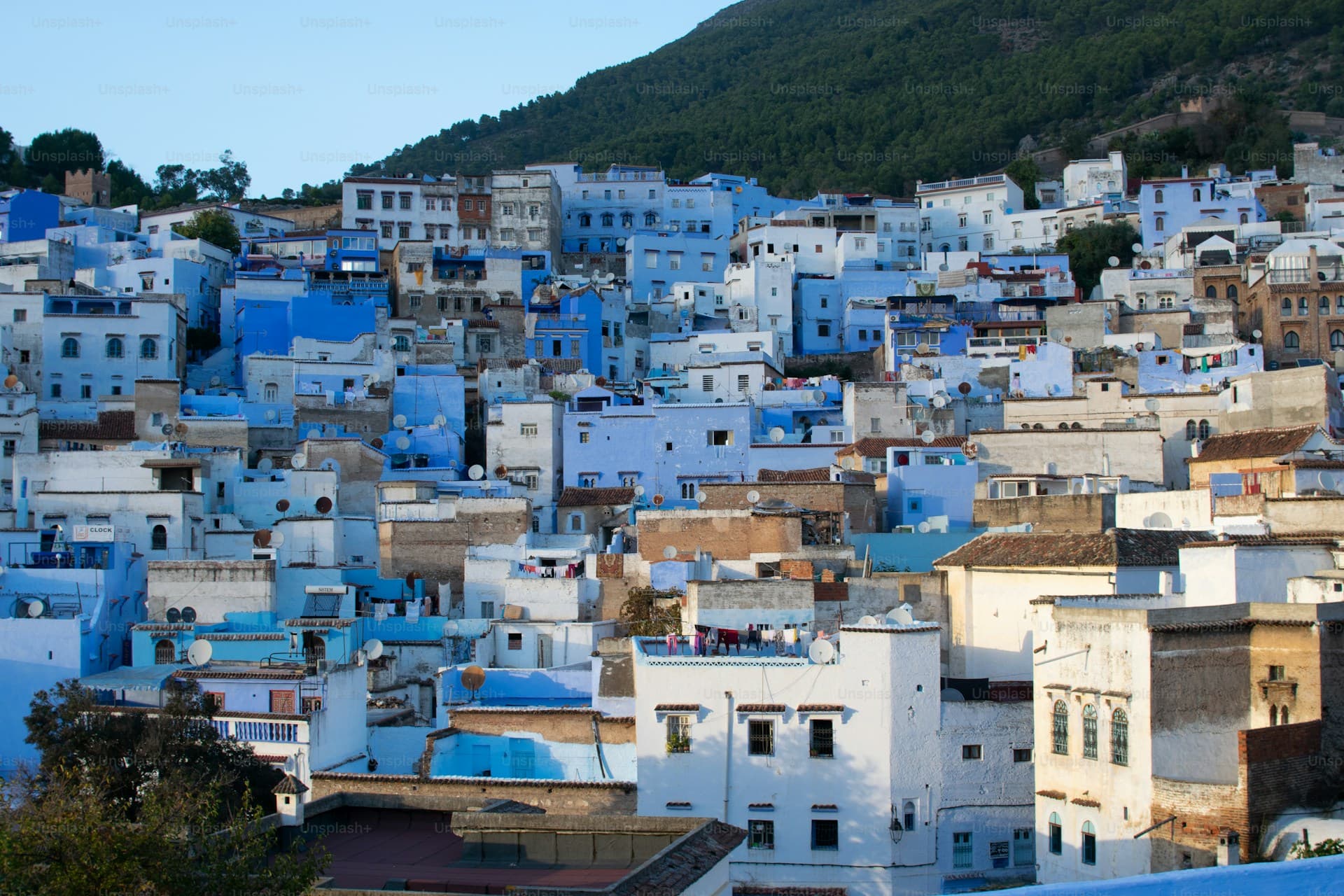
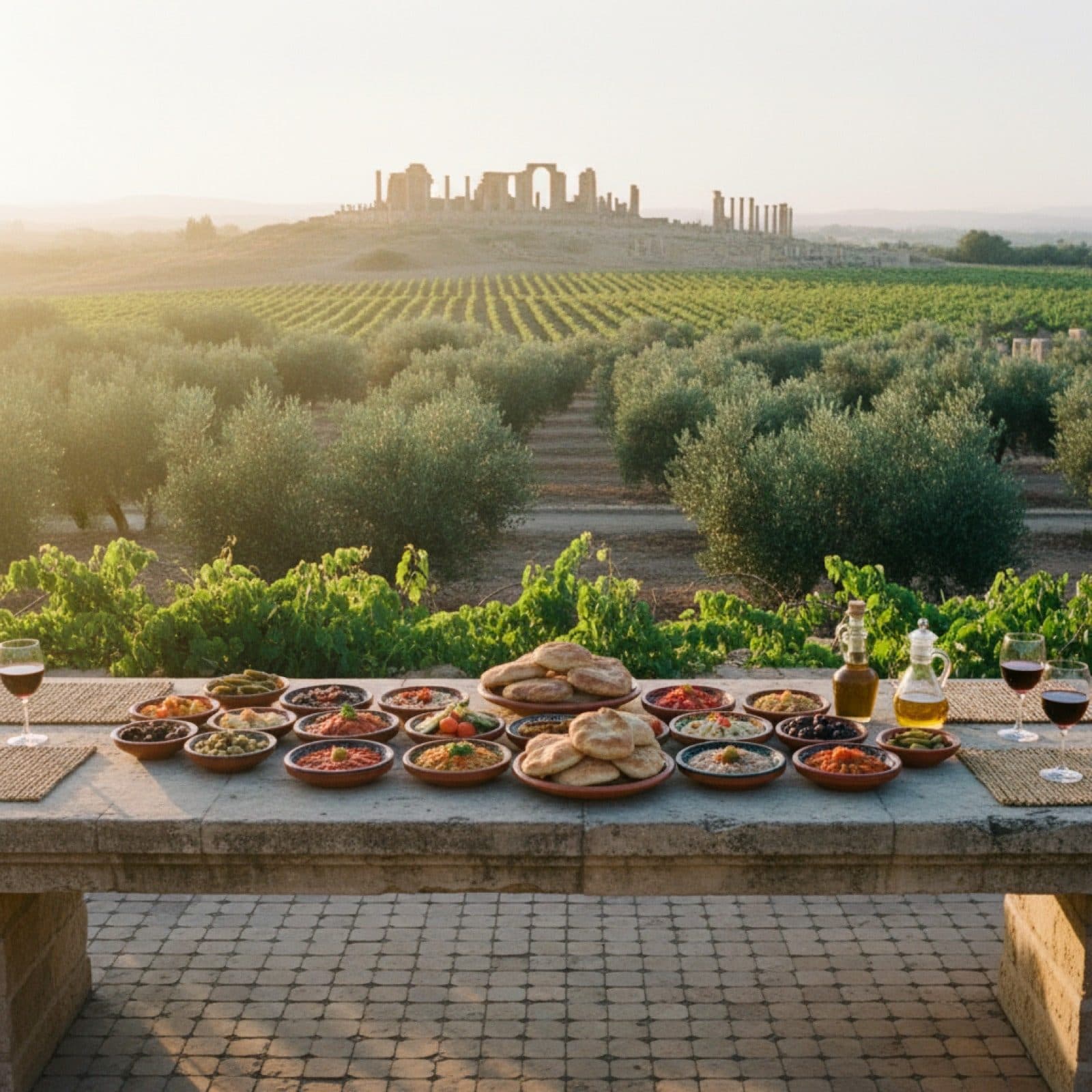
Headline attractions — Marrakech's gardens and palaces, the Roman ruins at Volubilis, the kasbah of Aït Ben Haddou, the blue lanes of Chefchaouen — keep their usual gates. Hotels and riads run a full kitchen for guests; many lay on a special iftar spread that becomes a highlight of the stay. Where you'll feel the month is at street level: a neighbourhood cafe may stay shuttered until evening, a family-run shop in the medina might open late or close early, and some small eateries simply don't bother with a lunch service when nobody local is eating. Plan around that and you barely notice a gap. If you're weighing this against other windows, my guide to the best time to visit Morocco sets Ramadan against the spring and autumn peaks.
What is iftar, and why do I call it the magic of the month?
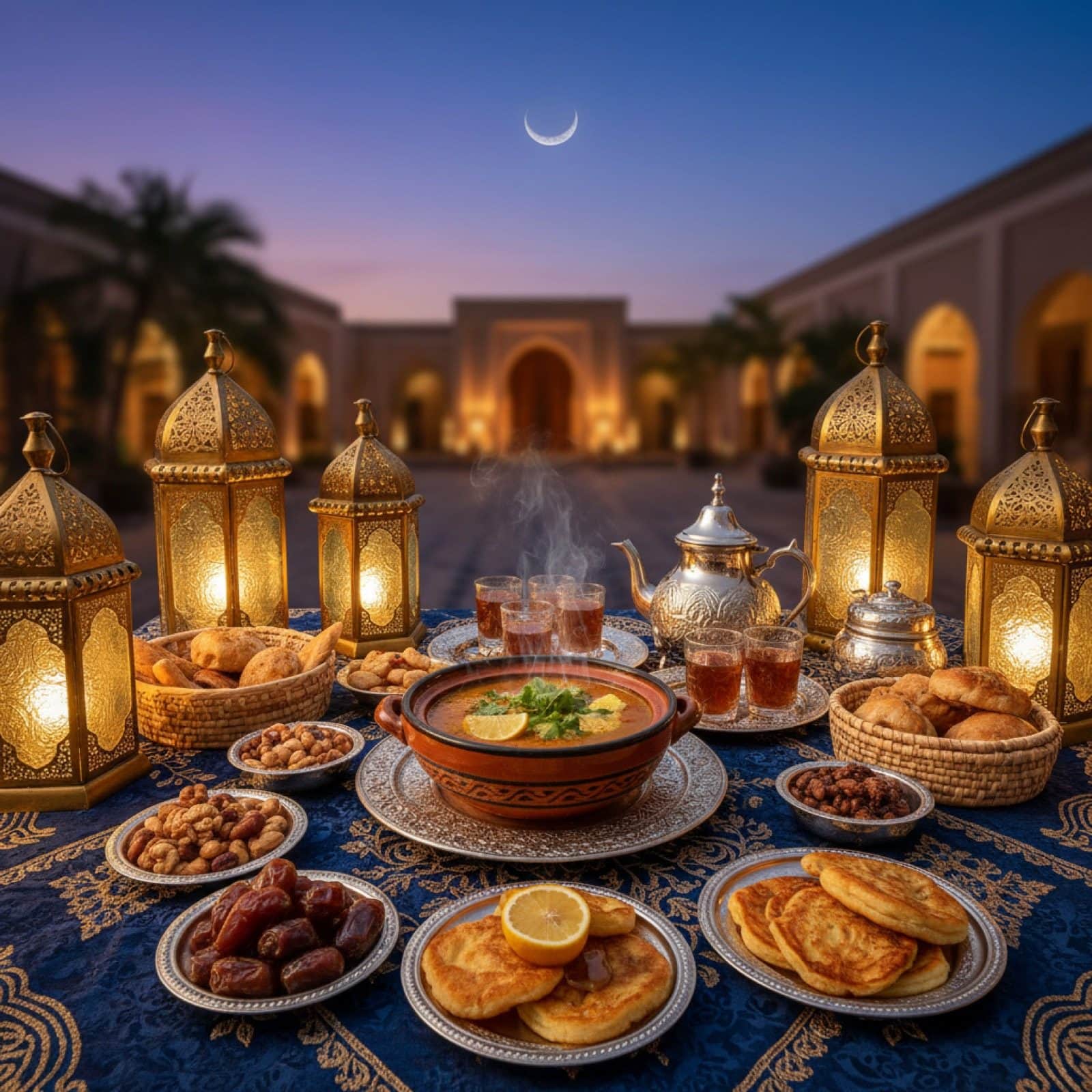
Iftar is the sunset meal that breaks the daily fast, and it is the single best reason to visit during Ramadan. The whole country stops at once, then comes alive together. Sharing that first sip of harira soup as the call to prayer sounds is something you remember for life.
The traditional break starts with dates and milk, then harira (a tomato, lentil and chickpea soup), chebakia (sticky sesame-honey pastries), boiled eggs, fresh juices and bread. In the minutes before sunset the streets fall almost eerily quiet — everyone is home or seated and ready. Then the muezzin calls, forks move, and a wave of contentment rolls across the city. An hour later the medinas reopen brighter and busier than at any other time of year, with night markets, music and families out until the small hours. Being welcomed to an iftar table, whether in a riad or a local home, is the kind of unguarded hospitality that turns a trip into a story. It is the part of Morocco that no off-season discount could ever buy you, and most travellers tell me afterwards it was the highlight of the whole journey.
How should I behave respectfully as a non-fasting visitor?
The golden rule is simple: be discreet by day. You are not expected to fast, but eating, drinking or smoking openly in the street while everyone around you abstains comes across as thoughtless. Step into a cafe, your hotel or a quiet spot instead, and you'll be entirely welcome.
Nobody will scold a tourist for sipping water on a hot afternoon, and you absolutely should stay hydrated — just do it without making a show of it. Keep snacks for your room, your vehicle, or a tourist restaurant rather than a busy souk bench. A few small courtesies go a long way: greet people with "Ramadan Mubarak," be patient with anyone running on an empty stomach by mid-afternoon, and lean a notch more modest in how you dress, which is appreciated year-round and especially this month. My what-to-wear-in-Morocco guide covers the specifics for both men and women. Get the daytime discretion right and Moroccans will, if anything, be even warmer toward you for it — respect is noticed and quietly repaid.
How does the daily schedule actually shift hour by hour?
The whole day pivots around sunset. Mornings are calm and the best window for sightseeing, the early-to-mid afternoon is the deepest lull, the hour before iftar empties the streets, and the evening is when Morocco comes roaring back to life until late at night.
| Time of day | What's happening | Best move for travellers |
|---|---|---|
| Early morning | Quiet, slower start; locals conserving energy | Hit the big sights early while it's cool and uncrowded |
| Late morning | Monuments open, medinas calm | Museums, gardens, palaces, photography |
| Early–mid afternoon | The lull; some local cafes/shops shut | Long lunch at a tourist restaurant, riad downtime, hammam |
| Hour before sunset | Streets empty fast as families prepare iftar | Be settled — head back to your riad or to a booked iftar |
| Sunset (iftar) | The fast breaks; near-total quiet, then joy | Share the meal; this is the moment of the day |
| Evening / late night | Medinas reopen, markets and life until late | Night strolls, shopping, music, dessert, café culture |
Once you internalise this curve, the month becomes a gift rather than an obstacle. The trick is to front-load your sightseeing and treat the afternoon as rest, exactly as locals do, so you have the energy to enjoy the nights, which is where the real Ramadan magic lives.
Is alcohol harder to find during Ramadan?
Yes, noticeably so. Alcohol is already low-key in Morocco year-round, and during Ramadan it gets harder still: many shop alcohol sections are curtained off or closed, and some hotel and restaurant bars pause or scale back service for the month.
Out of respect for the fast, the supermarket chains that normally sell wine and beer often suspend those sales during Ramadan, and bars that cater mainly to locals may simply shut. That said, you won't be entirely dry if it matters to you: international hotels, dedicated tourist restaurants and licensed venues frequently still serve travellers, just more discreetly and sometimes in a back room rather than a street-facing terrace. The honest takeaway is to lower your expectations and not count on a casual sundowner everywhere. If a drink with dinner is part of your ideal trip, read my full breakdown in can you drink alcohol in Morocco so you know exactly where and how it works, both during Ramadan and the rest of the year.
What about getting around — transport, drivers and day trips?
Transport keeps running, but it runs on the Ramadan clock. Trains, buses and private drivers operate, and roads are unusually empty in the hour around iftar. The one thing to plan around is that lull: don't expect a long, brisk lunch stop in a tiny village mid-afternoon.
Morocco's national rail operator, ONCF, continues regular services, and the high-speed Al Boraq line still links Tangier and Casablanca. A genuine local quirk: many drivers prefer not to be on the road in the final stretch before sunset, when everyone is rushing home to break the fast, so timing matters. This is exactly where a private driver-guide earns their keep during Ramadan — they know which roadside restaurant will actually be serving, build the schedule around the iftar window, and can arrange a memorable break-fast stop for you en route. If you'd rather not juggle shifting hours yourself, that's the case for going private; I weigh the options in rent a car vs driver in Morocco. Roads, incidentally, are at their calmest and most pleasant to travel right as the country sits down to eat.
Is it a good time for solo travellers and women in particular?
It can be a lovely time, with a few caveats. The atmosphere skews family-oriented, communal and gentle, harassment tends to ease, and evenings feel safe and festive. The main adjustment is the quieter daytime and the slightly more modest dress that suits the month.
Because the focus is on family, faith and food, the streets in the evening fill with grandparents, children and groups out together — a warm, unthreatening crowd to be among. Several solo women I've hosted have said the daytime calm actually made the cities feel more relaxed to explore. Lean into the rhythm: sightsee in the morning, rest in the afternoon, and join the evening bustle. Dressing a touch more conservatively is both respectful and, frankly, makes you blend in more comfortably. For a deeper dive into safety, etiquette and practicalities, see my Morocco solo female travel guide. My overall read: Ramadan is one of the more reassuring months to travel solo here, precisely because the whole culture is oriented around togetherness rather than nightlife.
When is Ramadan, and why do the dates move every year?
Ramadan shifts roughly 11 days earlier each year because it follows the lunar Islamic calendar, which is about 11 days shorter than the Gregorian one. So it slowly rotates through the seasons rather than landing on the same dates annually.
The exact start depends on the sighting of the new moon, so dates are announced shortly beforehand and can vary by a day. In practical terms, the month drifts steadily backward through spring, winter, autumn and summer over a cycle of years. That matters for two reasons. First, summer Ramadans mean a longer, hotter daily fast, so locals are more tired by afternoon and the lull is deeper; spring or autumn Ramadans are gentler all round. Second, it means you should always check the current year's dates before booking if you want to either catch Ramadan deliberately or avoid it — never assume it falls where it did last year. The festival of Eid al-Fitr marks the end of the month with a couple of public-holiday days, when many businesses close and families gather, which is its own thing to plan around.
Ramadan vs a normal month: what's the honest trade-off?
| Aspect | During Ramadan | Normal month |
|---|---|---|
| Daytime pace | Slower, quieter afternoons | Steady all day |
| Local cafes by day | Some closed until evening | Open as usual |
| Tourist restaurants & hotels | Open, serving normally | Open, serving normally |
| Evenings | Exceptionally lively and joyful | Lively but ordinary |
| Atmosphere & hospitality | Communal, family-focused, iftar magic | Welcoming, standard |
| Alcohol | Harder to find; some bars closed | Available in licensed venues |
| Crowds at sights | Often thinner by day | Variable / can be busy in peak |
| Cultural depth | Once-a-year window into real life here | Everyday experience |
Look at the two columns and the choice clarifies itself. If your dream trip is packed daytime action and a sundowner on every terrace, another month suits you better. If you're curious, flexible and drawn to authentic culture, Ramadan hands you something money can't usually buy.
In summary: is visiting Morocco during Ramadan worth it?
In summary, yes — for the right traveller. You accept a slower, quieter daytime, the occasional shuttered local cafe, scarcer alcohol and a deep afternoon lull. In return you get thinner crowds at the sights, calmer, often safer-feeling streets, and the genuinely unforgettable nightly spectacle of an entire country breaking fast and celebrating together. It is a trade-off, not a no-go. If you come with patience, a little discretion by day and a willingness to live on the local clock — sightsee in the morning, rest in the afternoon, feast and wander at night — Ramadan can be the most memorable time of all to be here. The travellers who embrace it almost always tell me the iftar evenings were the part they'll never forget.
If you'd like the timing handled for you — a schedule built around the iftar window, drivers who know which roads and restaurants stay open, and the chance to share a proper break-fast meal with a local family — that's exactly what a private trip is for. Tell us your dates and what you're hoping to feel, and we'll shape it around the month. Start with our trip planner, or browse a food-and-culture-forward route like our Imperial Terroir tour for inspiration.
Written by
Amina Benkirane
Destination Editor
Writer and photographer covering the Maghreb. Ten years of wandering souks, kasbahs, and back roads most guidebooks miss.